
The harvest period for Dayuling winter tea begins in late September. The highest-altitude 105K and 104K plantations are harvested first, followed sequentially by 102K, 100K, 97K, and 98K, with the harvest wrapping up in October. Due to Dayuling’s high altitude and early arrival of winter, the tea plants grow less than they do in spring. Winter tea yields are only about half those of spring tea, making it more expensive.
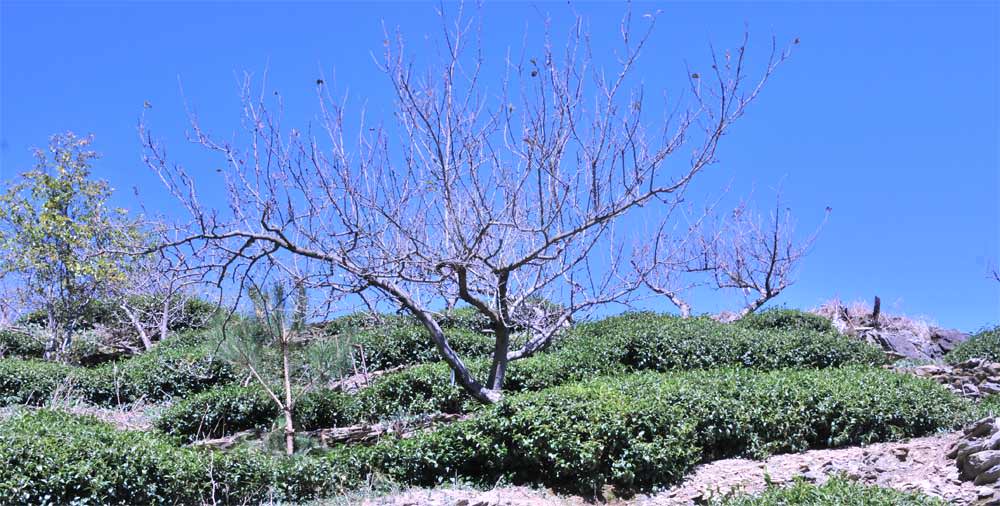
▲ Dayuling winter tea is low in yield and exceptional in quality.
Dayuling Winter Tea Harvest Season
Dayuling Tea Region begins harvesting winter tea as early as September. According to the traditional 24 solar terms, tea harvested in September is typically considered autumn tea. However, with an altitude ranging from 2,000 to 2,650 meters, nighttime temperatures in the Dayuling tea region drop below 10°C by early October and can approach 0°C in November, creating climatic conditions even colder than lowland areas in December. Therefore, tea harvested here in October is regarded as winter tea. Compared to lowland tea harvested in November or December, Dayuling’s October tea exhibits much more pronounced winter tea characteristics.
Unlike spring tea, winter tea is harvested starting from the highest elevations. The 104K and 105K tea plantations begin their harvest in late September to early October, followed by 102K, 100K, 97K, and 98K, finishing up by the end of October. Limited by the cold climate, Dayuling winter tea yields only about half of the spring harvest. If cold snaps arrive early, harvesting may even become impossible. Due to the limited yield and high risk, the unit price of Dayuling winter tea is about NT$300 more expensive than spring tea.
2025 Note: The removal of tea plantations in the Dayuling tea region began in 2014, and only three plantations remain today, with an annual yield of less than 5,000 kg. 99.99% of Dayuling tea on the market is fake—tea lovers, please purchase with caution.