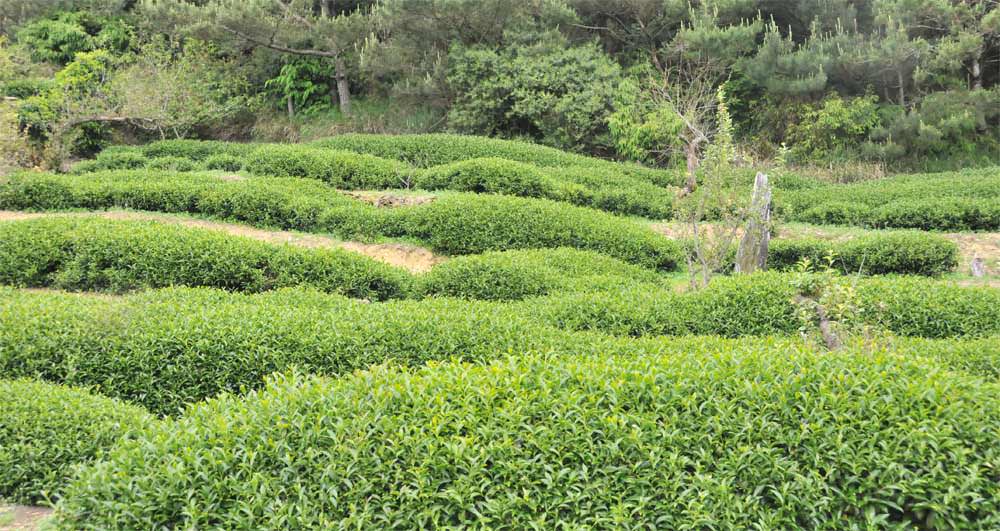
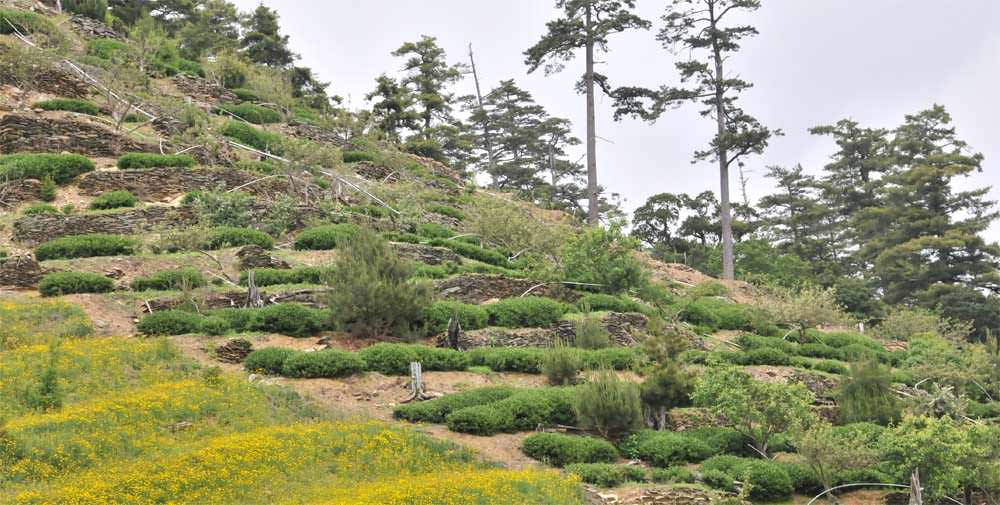
Dayuling Spring Tea is the season with the highest yield and best quality in the Dayuling tea region. Because the tea region is located in high mountains above 2,200 meters, the cold growing season causes the tea leaves to grow slowly. While lowland teas begin harvesting in March, Dayuling Spring Tea isn’t harvested until May, and the highest-altitude tea gardens at 105K and 104K even wait until June.
Dayuling Spring Tea harvest time
Most people associate spring tea with leaves harvested between the “Clear and Bright” and “Grain Rain” periods of the 24 solar terms. Because of the high altitude of the Dayuling tea region, the traditional 24 solar terms don’t really apply here. In fact, nighttime temperatures here in March and April still hover around 5°C, and it doesn’t feel like spring until May. The spring harvest kicks off in mid-May—just as lowland teas are already starting their second round of harvesting.
Consumers can also use the harvest period to tell authentic Dayuling Spring Tea apart from fakes when shopping. Many tea shops and online sellers start selling Dayuling Spring Tea as early as early April, but the truth is that Dayuling Spring Tea is still growing on the bushes and couldn’t possibly be on the market this early. This makes it easy to tell that anything launched in April isn’t the real deal.
Due to the low temperatures and large diurnal temperature range, the tea leaves grow slowly, resulting in Dayuling Spring Tea having virtually no bitterness, excellent sweet aftertaste (huigan), and an elusive mountain rhyme. If you’ve never tried Dayuling Spring Tea, you should pick some up to try—the quality won’t let you down.

2025 Note: Tea gardens in the Dayuling region began being removed in 2014, and only three tea gardens remain today, with an annual yield of less than 5,000 kg. 99.99% of Dayuling tea on the market is fake, so tea lovers please buy with caution.