
Let’s cut straight to the chase: “No.” A higher altitude doesn’t automatically mean better tea!
The highest-altitude tea I’ve ever purchased as a shop owner was from the Dayuling 104K tea garden (fun fact: everyone thinks 105K is the highest, but it’s actually 104K), sitting close to 2,700 meters above sea level. The most expensive high mountain tea I’ve ever bought was also that year’s 104K Dayuling, which cost NT$4,000 wholesale (fun fact #2: the neighboring 105K went for NT$12,000 back then). That batch of tea was so good that I kept a bag for myself as a keepsake.
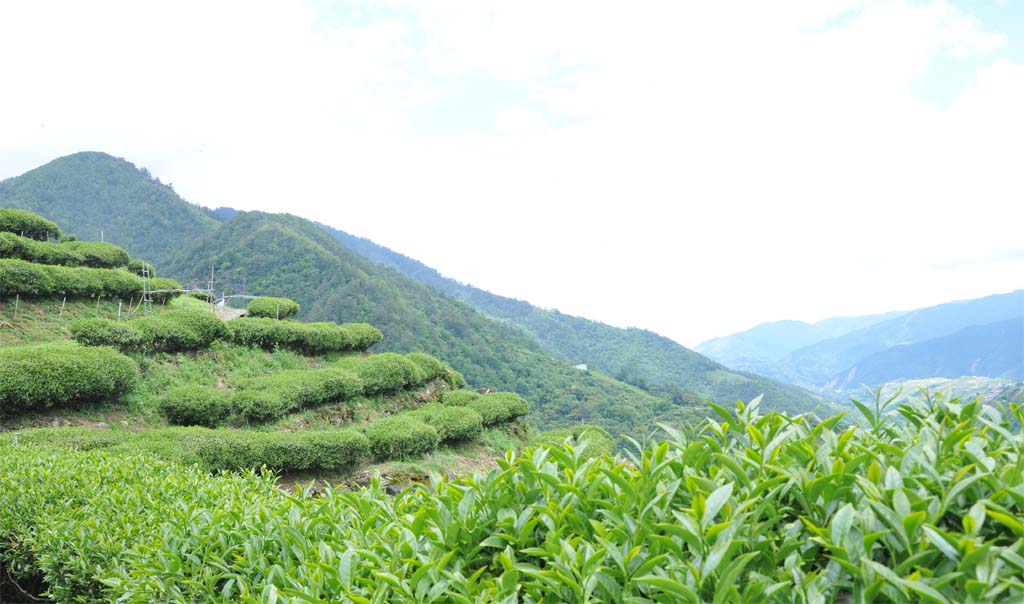
Does altitude affect tea quality? Absolutely! Tea farmers eager to cultivate crops at high elevations and tea merchants willing to shell out big bucks are living proof of high-altitude tea’s value. Farmers and buyers are the most quality-sensitive folks out there; when they vote with their actions and wallets, it clearly shows that altitude has a positive impact on tea quality.
However, this doesn’t mean high-altitude tea is “guaranteed” to be good, nor does it mean high mountain tea always beats lowland tea. There are simply too many factors that influence tea quality, including tea garden management, processing equipment, production techniques, location, and weather. Altitude is just one piece of the puzzle—if even a single link in the chain fails, no altitude in the world can save a mediocre brew.
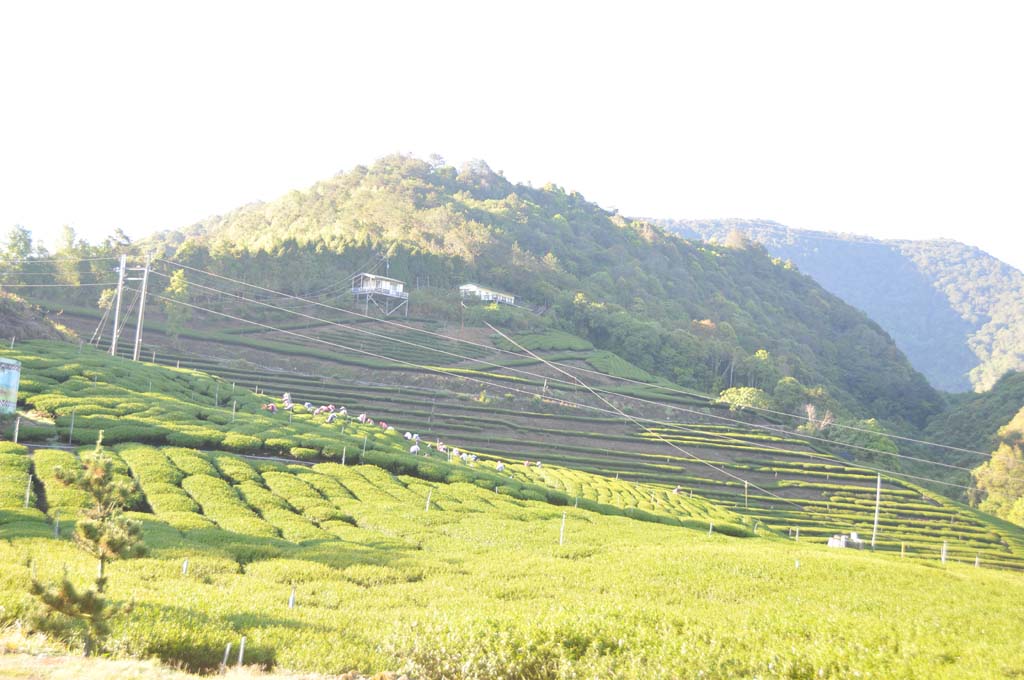
Going back to my earlier example, during one particular tea season, it rained continuously for a whole month in Dayuling. The resulting tea had thin, spindly stems and delicate leaves, harvested entirely in rainy weather. The final quality could only be described as “disastrous”—that was the year lowland tea actually outperformed Dayuling.
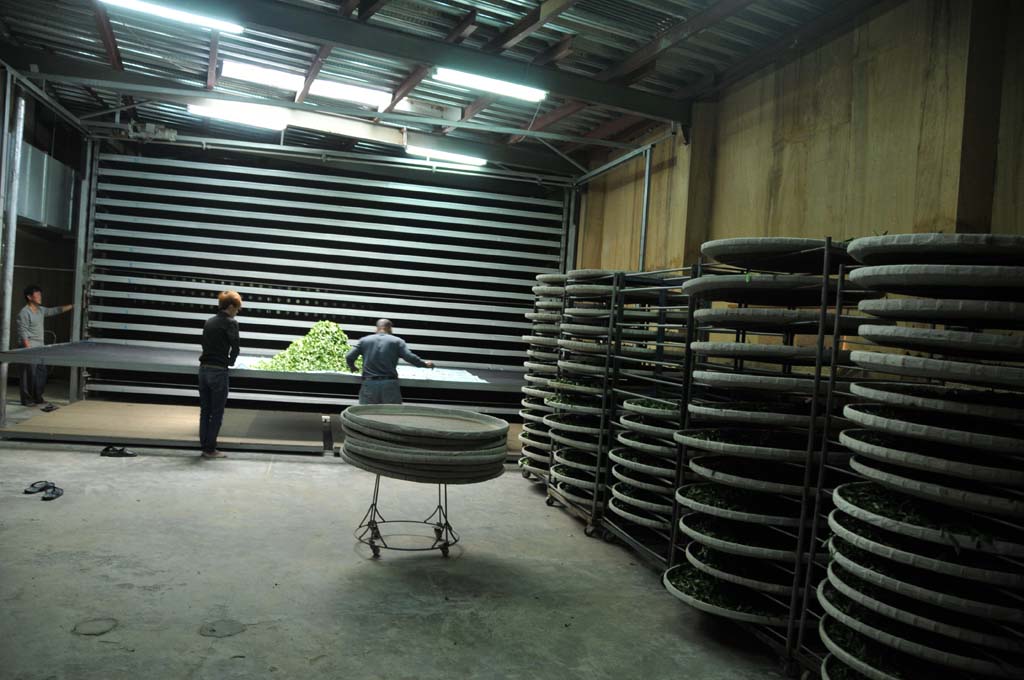
However, after buying tea for so many years, the store manager still rarely encounters this. Aside from inherent environmental advantages, high-altitude teas offer higher profit margins, making tea farmers more willing to invest in tea garden management, tea factory equipment, and skilled labor. Therefore, high-altitude teas still generally have the upper hand.
When purchasing tea, the store manager does take altitude into account, but it is never the primary consideration. The store manager’s top priority is tea garden management. Between teas at the same altitude, it goes without saying that the one with better management is chosen first. Even with a 500-meter difference in elevation, a well-managed lower-altitude tea still has a great chance of outperforming a high-altitude tea.