
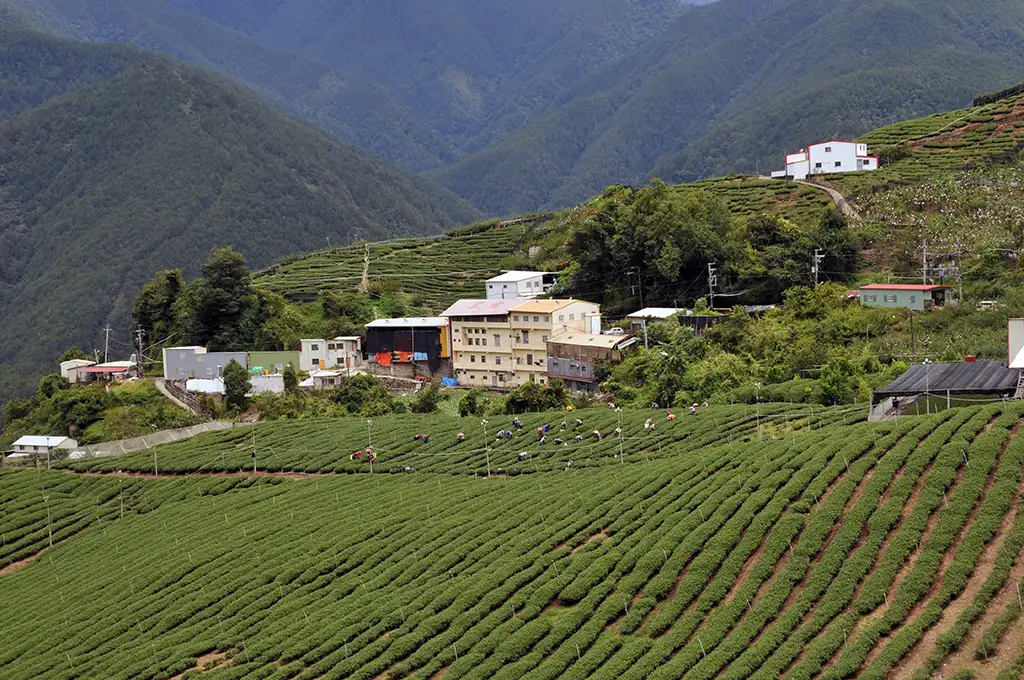
It’s the “midterms” for high mountain tea—the autumn harvest season is underway! As usual, the autumn harvest kicks off in Lishan. Lishan entered its peak harvesting period on July 30th, and if the weather holds up, it’s expected to run through mid-August. For our newcomers, the shop manager is answering a few frequently asked questions about autumn tea first 😗😗:
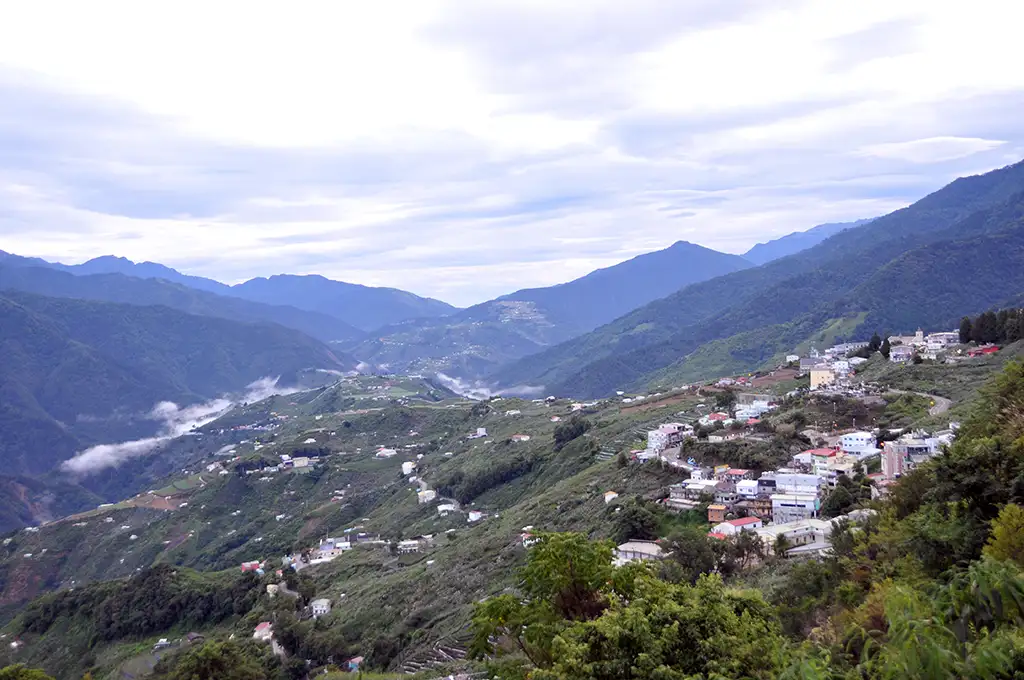
“Why does the harvest start in Lishan?“: Just like the winter harvest, high mountain tea gardens at higher elevations are harvested first, which is why Lishan, Dayuling, and HuaGung are among the earliest. Picking the autumn harvest a bit earlier also helps us better manage and space out the growth cycle for the winter tea.
“Is autumn tea quality not as good?“: On average, winter and spring teas are generally better, but well-managed autumn teas can also yield amazing batches. The top 20% of high-quality autumn teas can easily rival and even outperform many winter teas.
“Is the autumn tea yield high?“: Yes, very! The yield of high-mountain autumn tea is actually even higher than winter tea. For example, the ratio of autumn tea to winter tea production in 2022 was about 10:6, meaning autumn tea yields far exceeded winter tea.
“Why does nobody sell autumn tea on the market?“: Because customers have a poor impression of autumn tea, profit margins for selling it are low, and with winter tea supplies often falling short, many tea merchants simply pass off autumn tea as winter tea 😵💫😵💫.
“Won’t passing it off as winter tea get caught?“: Those with a sharp nose can still tell the difference, but once autumn tea ages for a month or two and the roasted notes fade, even many tea merchants can’t tell them apart.
That’s it for now—I’ll let you all know when I find more good stuff!