Are High Mountain Autumn Teas Good? How to Choose Autumn Tea?

Tea lover’s inquiry: I heard that high-quality autumn tea is just as good as winter tea, but at about half the price. However, some people say autumn tea isn’t good and tends to be bitter and astringent. Is high-mountain autumn tea actually good? How should I choose tea leaves to get top-quality autumn tea?
Is autumn tea good to drink

Liao Chang Xing Reply: Is high-mountain autumn tea good?

Every season produces both good and bad teas. Naturally, the probability of getting a great tea is higher in spring and winter. However, with careful selection of well-managed tea gardens and a bit of comparison, finding high-quality autumn tea isn’t difficult. Premium high-mountain autumn tea matches the quality of average winter tea and can even outperform over 70% of winter teas, all at about half the price. It’s safe to say it’s the season with the best value for money.

How to Choose High-Quality Autumn Tea

To find a good autumn tea, besides looking at weather conditions, you need to check how the tea garden was managed after the spring harvest, the use of fertilizers, and other factors. Find a quality tea garden and compare options to pick up top-notch autumn tea. Here is our method for choosing autumn tea leaves:

How to choose tea leaves

Quality Fertilizer: Fertilizer is the most important factor. If soybean fertilizer is applied right after the spring harvest, along with supplementary compound fertilizers, the autumn tea will receive ample nourishment. Unfortunately, because autumn tea commands a lower price, many farmers choose not to fertilize or opt for lower-quality fertilizers, making it hard for such autumn tea to taste good.

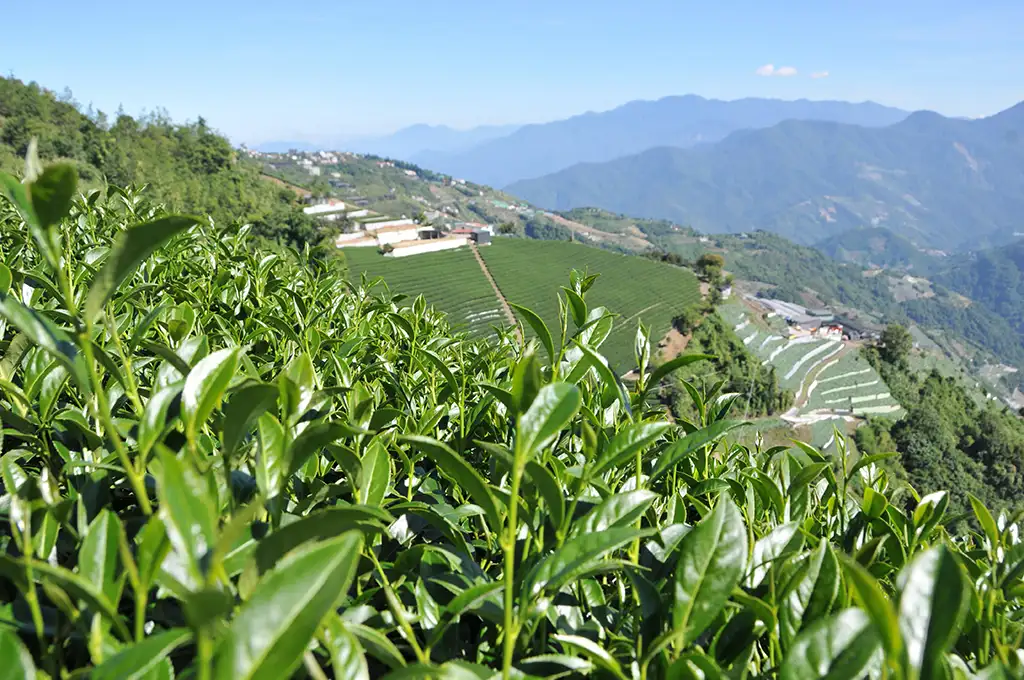
Tea Garden Management: Beyond fertilization and irrigation, another crucial bonus for autumn tea quality is whether the tea bushes were pruned after the spring harvest. When bushes undergo moderate pruning, the newly sprouted buds are typically of higher quality, significantly increasing the chances of producing premium autumn tea.

Pest and Disease Management: Temperatures rise after the spring harvest, increasing pests and diseases in the tea garden. Some tea farmers slack off on management during the summer, and combined with heavy rainfall in July during the autumn tea’s growth cycle, tea gardens easily fall victim to pests and diseases. Therefore, observing pest and disease management is a key step in selecting autumn tea.

Weather Conditions: Weather is always the most critical factor in tea quality. No matter how well a tea garden is managed, continuous heavy rain during the harvest period makes it difficult to elevate quality. For instance, the 2023 autumn tea suffered from persistent heavy rains, resulting in poor quality across harvests from Lishan to ShanLinXi.

How to choose tea leaves

Are autumn teas good? With a bit of comparison, you can find exceptionally delicious high-mountain autumn teas. The top 30% of high-mountain autumn teas easily outperform over 70% of winter teas. Don’t let misconceptions mislead you—next time you get the chance, be sure to try high-mountain autumn tea with its incredible value for money.

Shopping Cart