Author name: Liao Chang Xing

Which has more caffeine, tea or coffee?

Which Has More Caffeine: Tea or Coffee?

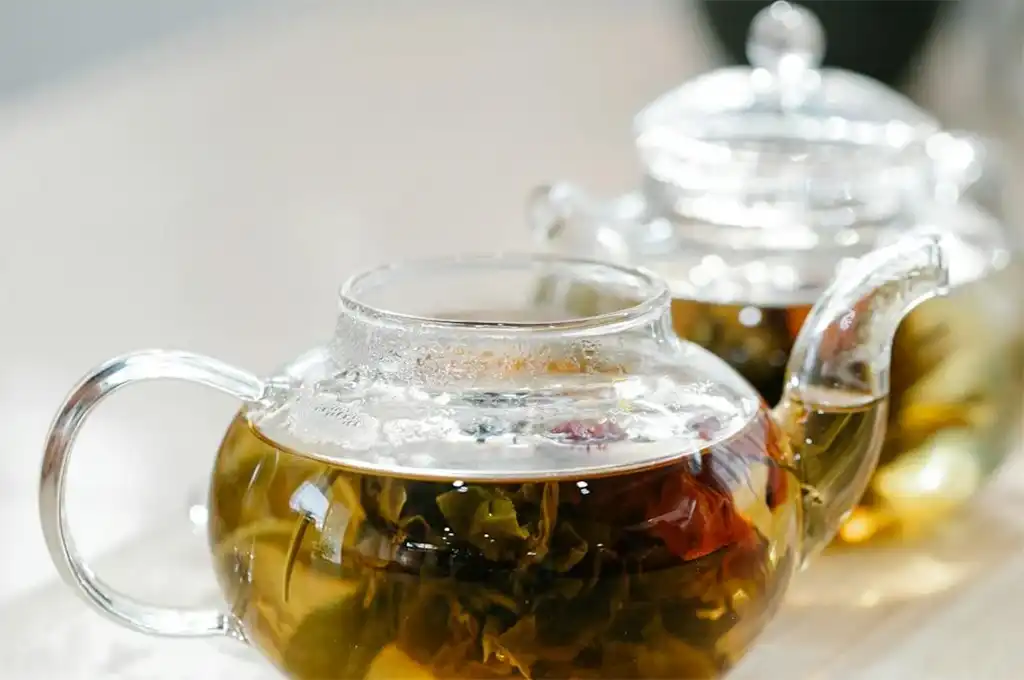
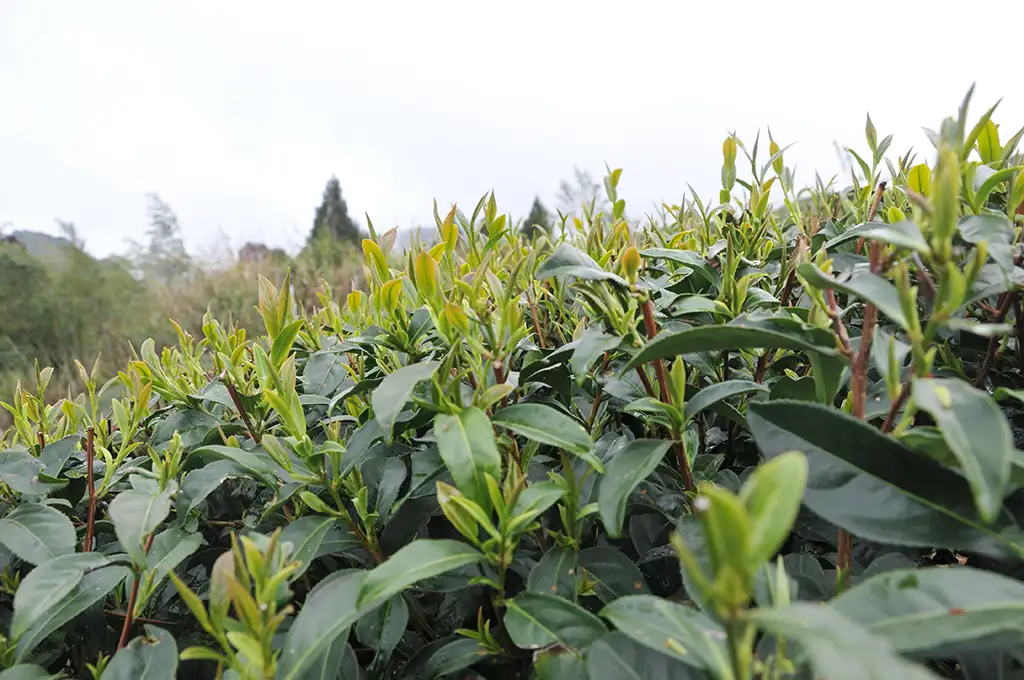
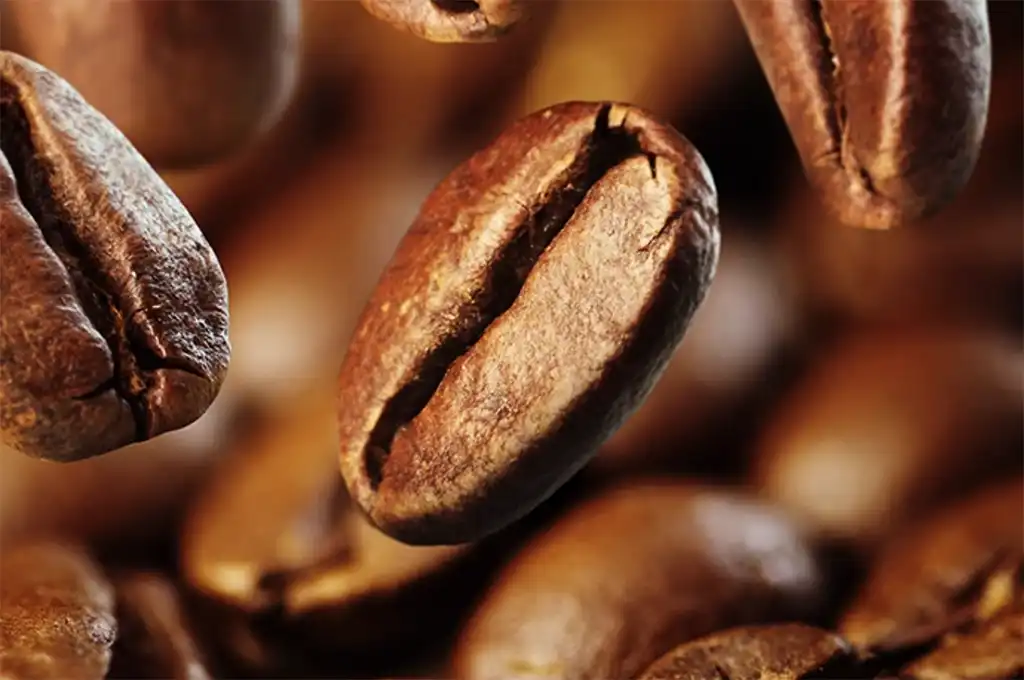
Tea and coffee are two of the world’s most popular beverages, and both contain caffeine, meaning either one can help give you a boost of energy. But which one has more caffeine? Let us compare these two drinks to help you figure out which one is right for you. Caffeine Content in Coffee The caffeine
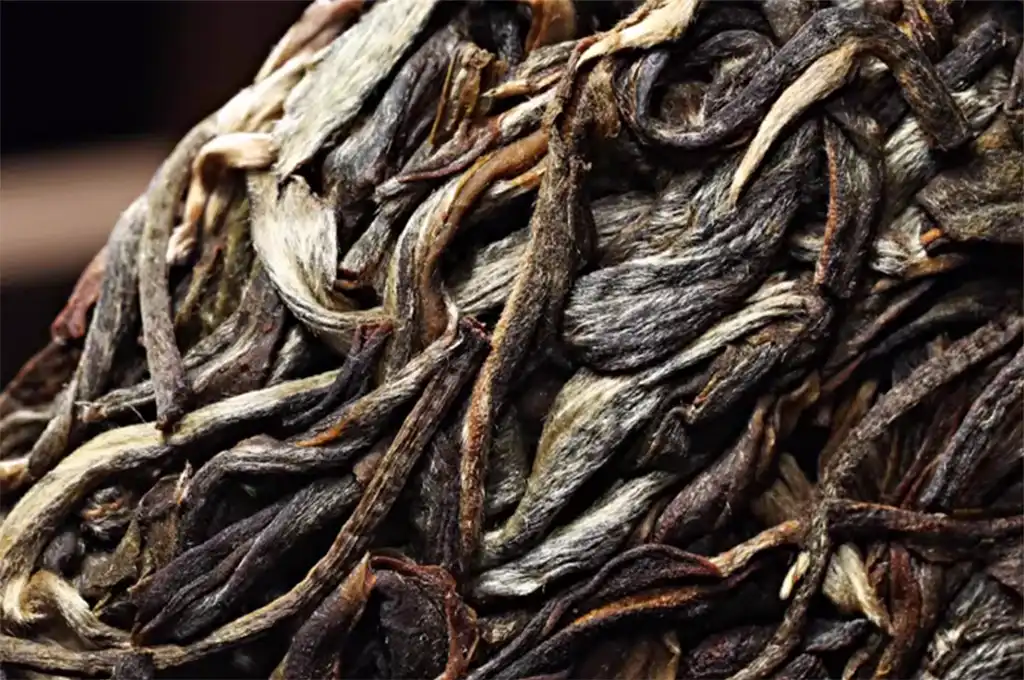
Raw Pu-erh Tea and Ripe Pu-erh Tea

Raw Puerh vs. Ripe Puerh: Which is Better and Which is a Better Value?

Definitions of raw and ripe tea vary across the tea industries in Taiwan and China, which is why many people get confused about the differences between raw and ripe Puerh. The distinction is actually quite simple: Puerh that has not undergone pile-fermentation is classified as raw (sheng) Puerh, while tea that goes through pile-fermentation is

Which tea has the lowest caffeine content

Black, Green, or Oolong: Which Tea Has the Lowest Caffeine?

Which tea has the lowest caffeine? Many people are sensitive to caffeine or want to enjoy tea without affecting their sleep. The caffeine content in tea mainly depends on four key factors: “harvesting part,” “tea leaf integrity,” “growing temperature,” and “roasting level.” Once we understand these, we can easily compare the caffeine levels of black

Which tea is gentle on the stomach

Which tea is gentle on the stomach? What to drink if tea upsets your stomach

Which tea won’t upset your stomach? Tea is not only delicious but also helps boost alertness, making it an indispensable daily beverage for many people. However, many people experience discomfort or even a harsh, irritating sensation in their stomach after drinking tea, which can be quite bothersome. Why does tea cause this stomach irritation, and

Which tea is not a fermented tea

Which Tea is Non-Fermented? What Unfermented Teas Does Taiwan Have?

Which tea is not a fermented tea? Fermentation is a crucial step in tea making. Enzymatic action or oxidative breakdown creates the aromas we smell while also altering the tea’s flavor. However, not all teas require fermentation; green tea, for instance, is a type of unfermented tea. Because it is unfermented, it retains the crisp

Xin Cong Tea

Xincong Tea: The Key Secret to Crafting Monster-Level Premium Tea (Part 2)

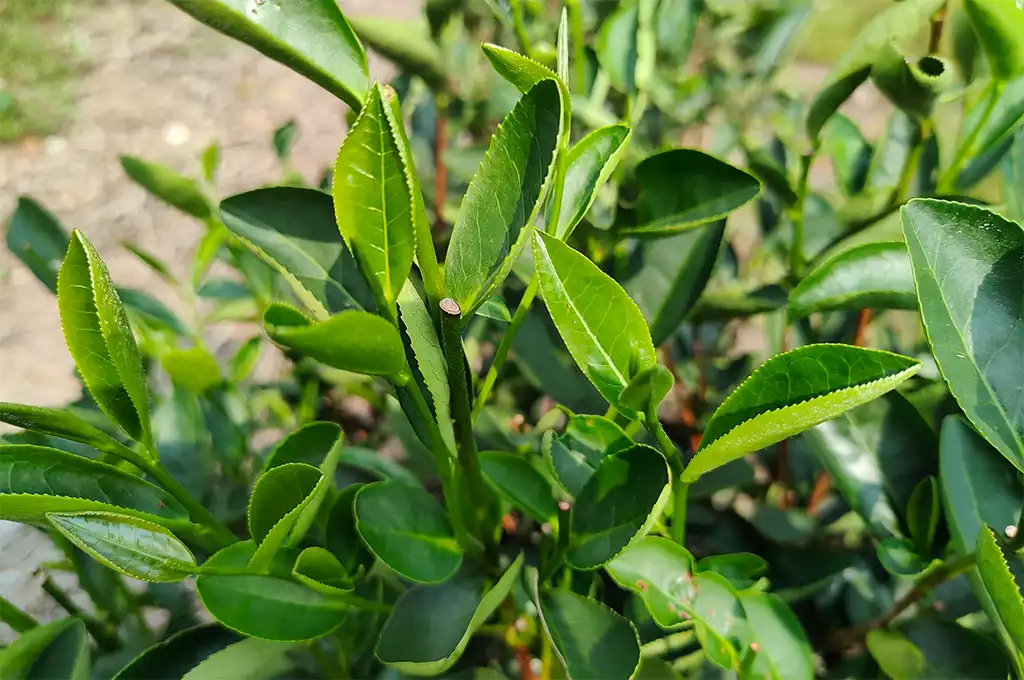
First, let’s explain what Xincong tea is. “Xincong” refers to newly planted, young tea trees. Typically, tea trees aged 3 to 7 years are at their peak quality stage. They remain in their prime from 8 to 15 years old, while quality noticeably declines after 20 years. Compared to older tea trees, Xincong tea has

What are partially fermented teas

What Are Taiwan’s Partially Fermented Teas? How Are They Made?

What are Taiwan’s partially fermented teas? Partially fermented tea generally refers to oolong tea, with a fermentation level falling between green tea (unfermented) and black tea (fully fermented). Taiwan is the world’s finest production region for partially fermented tea, offering not only exceptional quality but also a wide variety of types. What Are Some Famous

Directly shipping Taiwan tea from origin to Hong Kong and Macau

Direct Shipping of Taiwanese Tea from Origin to Hong Kong and Macau

Recently, we’ve received many inquiries from tea lovers in Hong Kong and Macau. We’ve put together some frequently asked questions below to help you with your purchase. If you can’t find the answer you’re looking for, feel free to reach out to our customer service team anytime! Our Taiwanese tea can be shipped directly to

Are white spots on tea leaves mold?

Are White Spots on Tea Leaves Mold? How to Tell if Tea is Moldy

When drinking tea, many people might notice white spots or fuzz on the surface of the leaves, raising concerns that the tea has gone moldy. In fact, white patches on tea leaves don’t always mean mold; sometimes they are tender buds—commonly known as pekoe or trichomes—which are a sign of high-quality tea rather than mold.

Dizziness and nausea after drinking tea

Dizzy and Nauseous After Drinking Tea? Relief and Prevention Tips

Feeling dizzy and nauseous after drinking tea? If you experience dizziness, headaches, or nausea shortly after drinking tea, it is likely caused by the theophylline and caffeine in the tea leaves. Common symptoms besides dizziness and nausea include fatigue, heart palpitations, and stomachaches. Why Does Drinking Tea Cause Dizziness and Nausea? This is because tea

Feeling unwell after drinking tea

Feeling Uncomfortable After Drinking Tea? Causes and Relief Methods for Tea Drunkenness

Feeling unwell after drinking tea? Tea is a delightful beverage that not only boosts your energy for many people, but also helps soothe the body and mind when under stress. However, drinking tea sometimes has side effects, such as headaches, heart palpitations, or nausea in some individuals. This phenomenon is commonly known as “tea drunkenness“.

What to do with expired tea

What to Do with Expired Tea? Clever Uses for Tea Past Its Shelf Life

What should you do with expired tea? Don’t rush to throw it away just yet—tea past its expiration date still has some unexpected and clever uses. Let’s introduce you to a few common ways to repurpose expired tea: What to Do with Expired Tea? Clever Uses for Tea Past Its Shelf Life 1. Eliminate Odors:

Stomach pain from drinking tea on an empty stomach

Stomach Ache After Drinking Tea on an Empty Stomach? Quick Tips to Prevent It

Drinking tea is one of life’s greatest pleasures—it helps you stay alert, relieves stress, and enhances social gatherings. However, many people experience stomach pain when drinking tea on an empty stomach, sometimes severe enough to make them afraid of tea altogether. Let us walk you through why drinking tea on an empty stomach causes stomachaches

Shopping Cart