
Which tea is not a fermented tea? Fermentation is a crucial step in tea making. Enzymatic action or oxidative breakdown creates the aromas we smell while also altering the tea’s flavor. However, not all teas require fermentation; green tea, for instance, is a type of unfermented tea. Because it is unfermented, it retains the crisp and refreshing flavor of tea leaves.
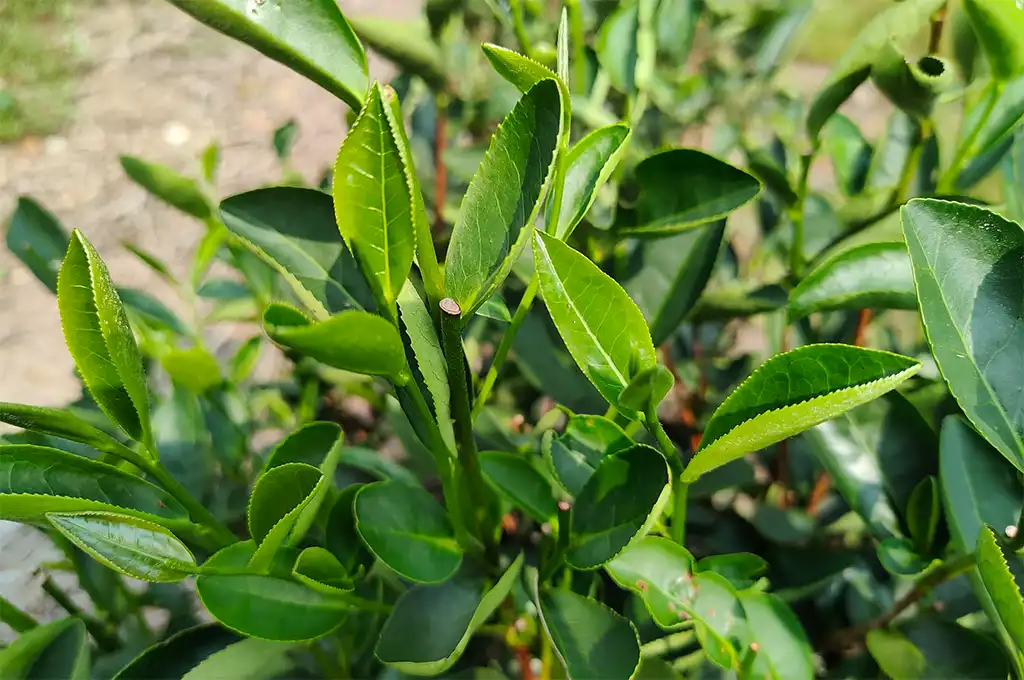
What is Green Tea? Why Is It Unfermented?
Green tea is the earliest appearing category of tea. After harvesting, the leaves quickly undergo kill-green (using high heat to cook the leaves), which inhibits the fermentation process (enzymatic oxidation). Because green tea is unfermented, the leaves undergo no oxidation from harvest to finished product, allowing beneficial compounds like polyphenols and catechins to be fully preserved. This manufacturing process allows green tea to maintain its fresh, crisp, herbaceous aroma and slightly bitter-sweet characteristics.
Which Taiwanese Teas Are Non-Fermented?
While Taiwan is world-famous for its oolong tea, its green tea also performs exceptionally well. The largest production area for Taiwanese green tea is Sanxia District in New Taipei City, with renowned local green teas including Biluochun and Longjing (Dragon Well) tea.
Biluochun: Originally from Dongting Mountain by Taihu Lake in Jiangsu Province, mainland China, it is characterized by the use of tender buds and leaves, which are rolled into a spiral shape during production. Named for its jade-green color, spiral shape, and the fact that spring tea yields the highest quality, it is known as Biluochun. Taiwan’s Sanxia Biluochun is uniquely made using the Qingxin Ganzai tea cultivar, giving the brewed tea a distinctive fragrance.
Longjing Tea: Originally from West Lake Longjing in Hangzhou, Zhejiang Province, China, this green tea is flattened during processing, giving it a unique beanie aroma and sweetness. Sanxia Longjing Tea is likewise crafted using the Qingxin Ganzai tea cultivar.
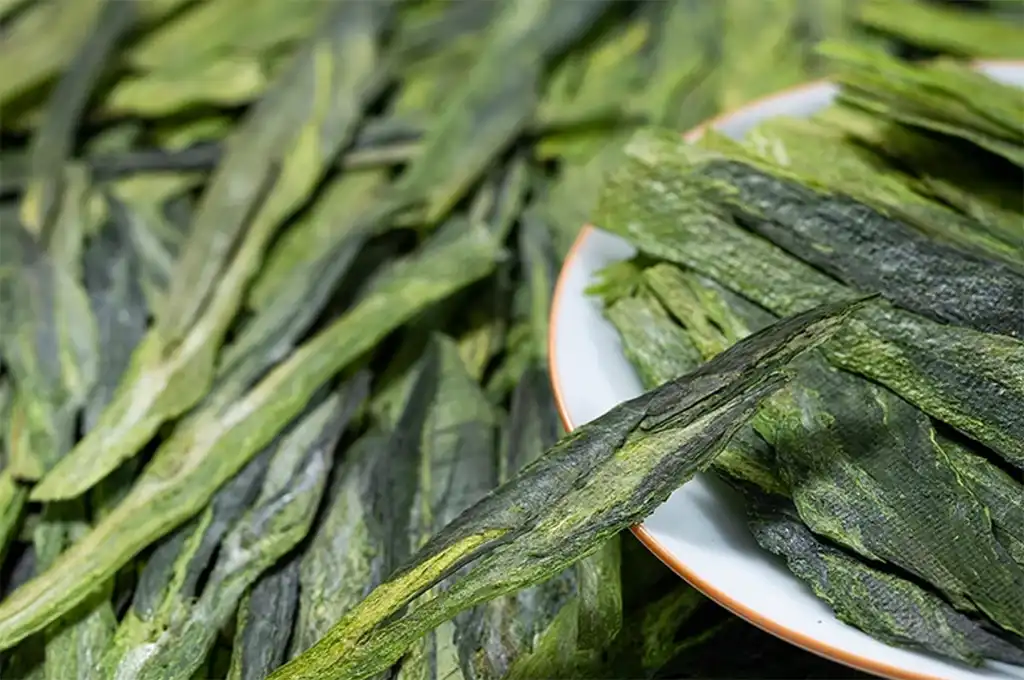
Aside from Sanxia District, green tea is produced in small quantities across major tea-growing regions such as Pinglin, Nantou, and Chiayi. In addition to common loose-leaf green tea, it is also made into green tea powder or matcha powder.
Additional Notes on Green Tea's Non-Fermentation
Although green tea’s manufacturing process involves no fermentation, strictly speaking, green tea is not completely 0% fermented. This is because time passes from when the leaves are harvested until they are delivered to the tea factory for kill-green; natural, slight oxidation still occurs during transport, meaning green tea retains a tiny degree of light fermentation.