Author name: 廖長興茶業

Is matcha powder the same as green tea powder?

Is Matcha the Same as Green Tea Powder? Key Differences Explained

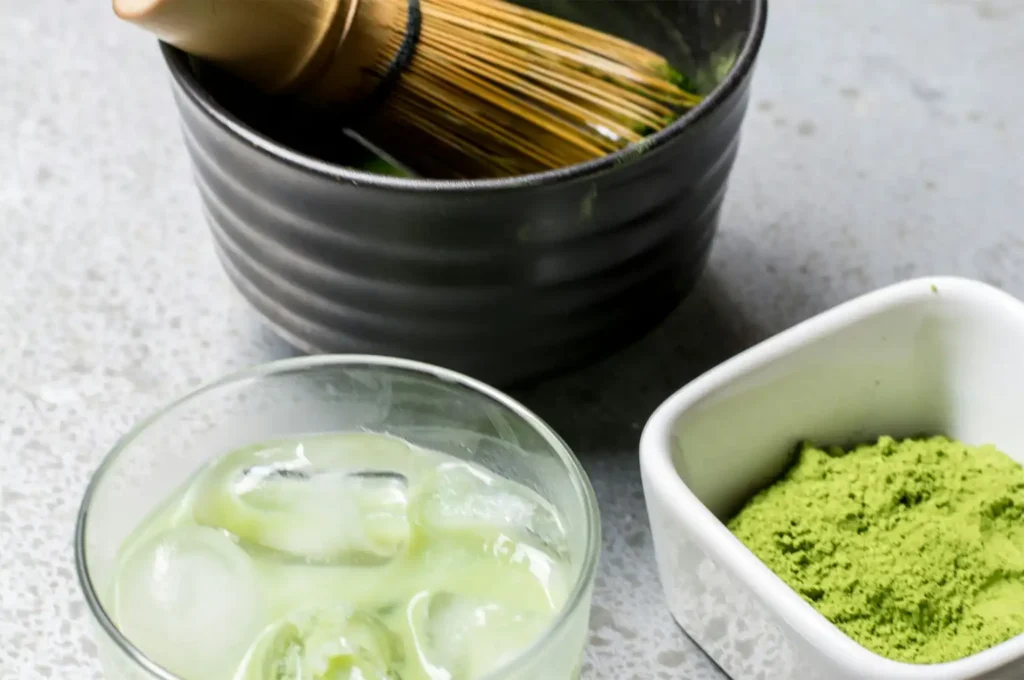
Matcha powder and green tea powder may look similar, but they are fundamentally different. From how the tea plants are cultivated to how the leaves are processed, these distinct steps give matcha a noticeably different flavor profile and nutritional value compared to regular green tea powder. Is Matcha the Same as Green Tea Powder? Key

What Is Virgin Forest Tea? Key Benefits Explained

Many tea vendors feature “virgin forest tea,” but what does it actually mean? Virgin forest tea refers to tea plantations located inside natural forests, surrounded by no neighboring tea gardens, orchards, or vegetable farms. This isolated environment provides distinct advantages in both farm management and tea quality. 3 Key Benefits of Virgin Forest Tea Rich

Cuifeng Tea Shipping Delay Notice

Greetings to all our tea friends! We sincerely apologize, but due to a backlog at our tea packaging facility, shipments of our “Cuifeng Tea” will be delayed by 1–2 days. We will dispatch your orders as soon as packaging is complete. Thank you so much for your patience and support! If you have any questions

Can You Offer Tea Leaves in Worship? Offerings for Tudigong, Mazu, and Ancestors

“Can you offer tea leaves when worshipping?” This is a common question among tea lovers during worship rituals. In traditional culture and faith, serving tea is a timeless way to show respect. Therefore, loose leaf tea is not only suitable as a temple or altar offering, but it is also deeply meaningful. You can use

Cingjing Spring Tea and Taihe Spring Tea Are Sold Out

Good evening, tea lovers! The Cingjing Spring Tea launched yesterday is officially sold out—thank you so much for your support! We originally planned to ship on Saturday, but our tea packaging partner finished ahead of schedule, so all orders will go out this Friday afternoon. Those who placed an order will be able to enjoy

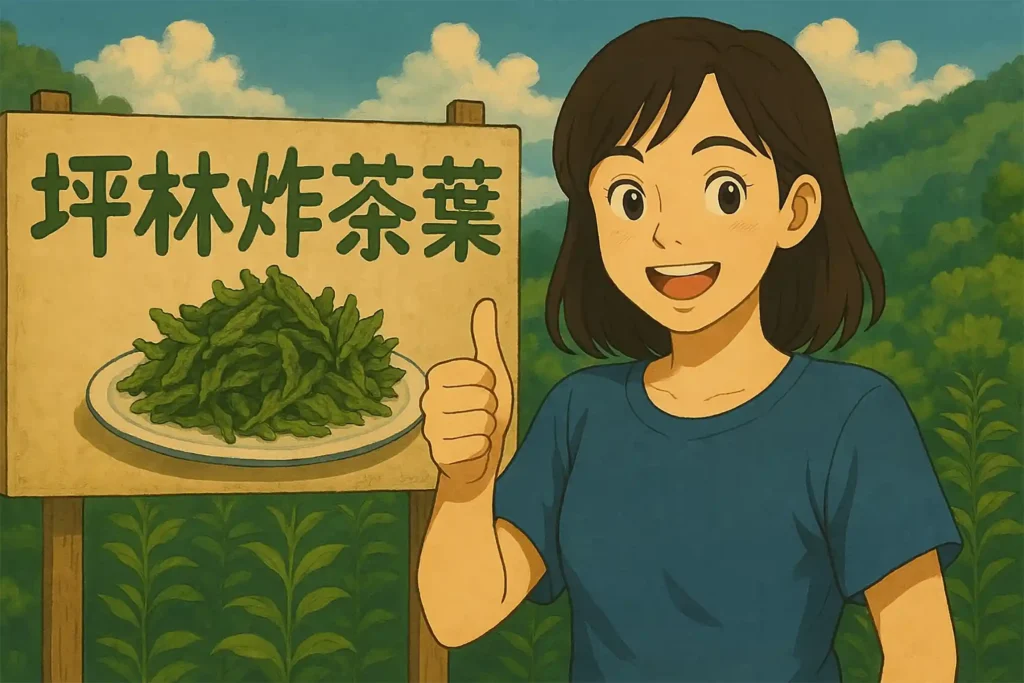
Can You Eat Tea Leaves? A Guide to Cooking and Baking with Tea

The short answer is yes! Not only can you eat tea leaves, but you can also cook, deep-fry, and grind them into powder for baking—some people even eat the steeped tea leaves! As long as the source is safe and free of pesticide residue, eating tea leaves directly is completely safe. Cooking with Tea: A

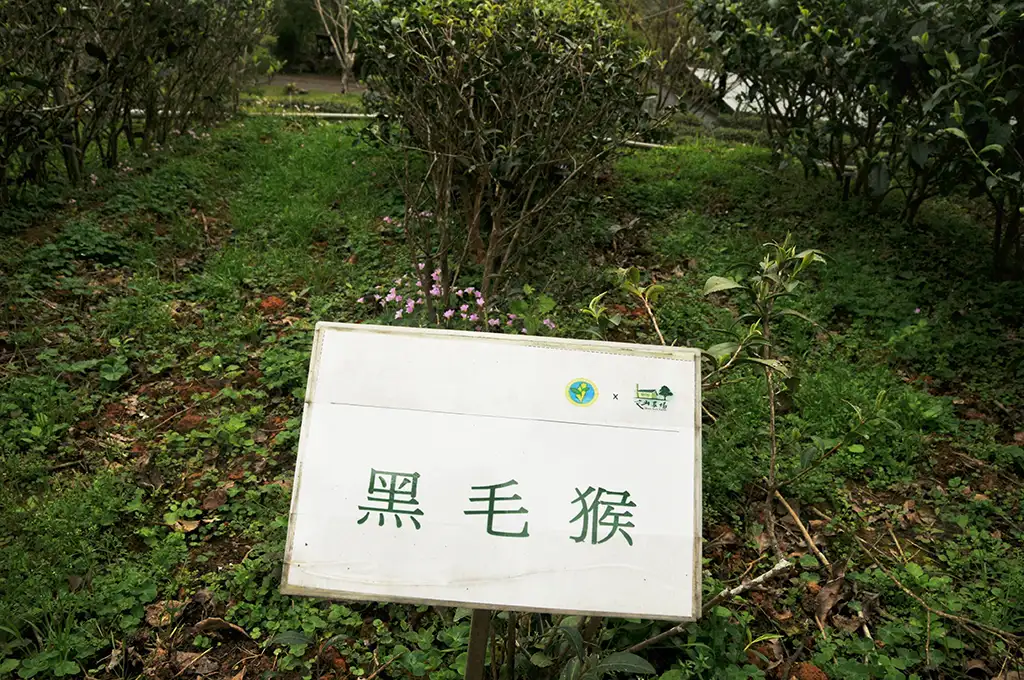
Tea Cultivar: Hei Mao Hou (Black Hair Monkey)

Just to be clear, this article is about the “Hei Mao Hou” tea cultivar, not the actual animal! If you clicked expecting a monkey, feel free to hit the back button 😂. Otherwise, hope you enjoy reading! Rare Tea Cultivar: Hei Mao Hou Many tea lovers are familiar with the Bai Mao Hou (White Hair

Where Do Drink Shops Get Their Tea? Is It Really Taiwanese Tea?

Taiwan is famous for producing high-quality tea, and tea shops line almost every street. Have you ever wondered where boba and tea shops get the tea leaves for their drinks, which region they come from, or what varieties are used? Here’s the inside scoop on where drink shops source their tea leaves! Where Do Drink

Where Do Bubble Tea Leaves Come From? Vietnamese Tea vs. Taiwanese Tea

Nothing beats an ice-cold drink on a sweltering summer day. But have you ever wondered where the tea in your bubble tea actually comes from? Is it Taiwanese tea or Vietnamese tea? Although Taiwan is famous for its tea, not all boba tea leaves are grown locally. In fact, most tea leaves used by bubble

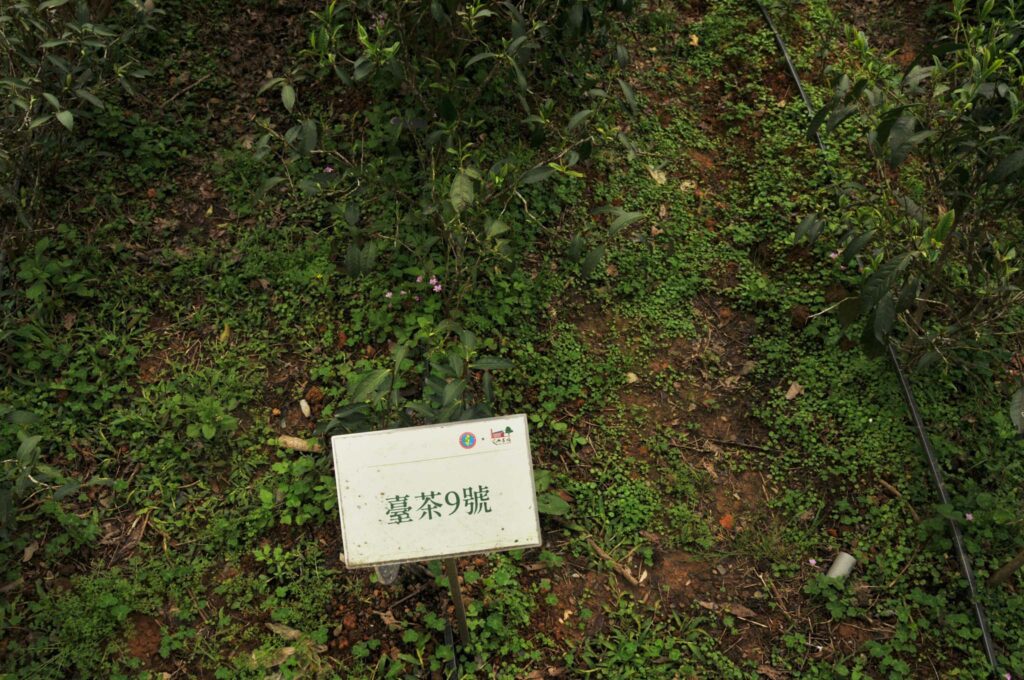
Tea Cultivar: TTES No. 9

TTES No. 9 is a tea cultivar developed by the Taiwan Tea Research and Extension Station (TRES). Bred through controlled hybridization between the Kyang tea strain (paternal parent) and Hongxin Damou (maternal parent), it was officially named TTES No. 9 in 1975. It yields excellent quality whether processed into black or green tea. The bushes

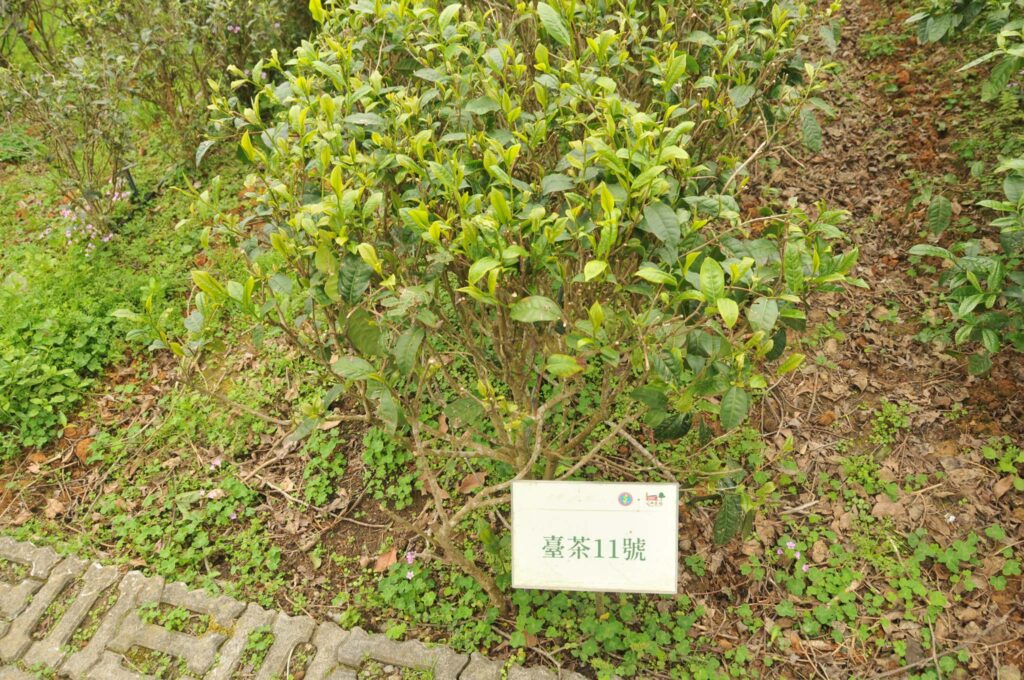
Tea Cultivar: TTES No. 11

TTES No. 11 was developed by the Taiwan Tea Research and Extension Station through artificial hybridization, using Jaipuri as the pollen parent and Daye Oolong as the seed parent. Officially named TTES No. 11 in 1975, it is an extremely early-budding cultivar ideally suited for making black tea. Tea Cultivar: TTES No. 11 TTES No.

Tea Cultivar: Tainung No. 8

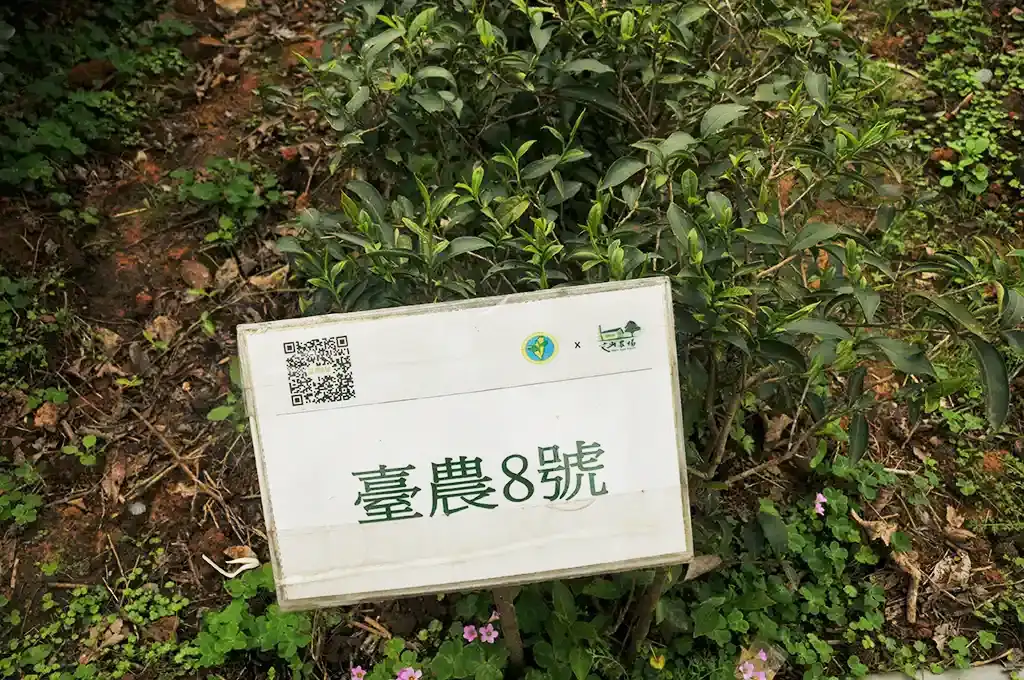
To be clear, this refers to the tea tree cultivar, not corn, orchids, or peaches (which also have “Tainung No. 8” varieties). Also, Tainung No. 8 is not the same as “TTES No. 8″—make sure not to confuse the two! Tainung No. 8 Tea Cultivar This cultivar was developed during the Japanese colonial era at

Notice for Tea Lovers: US Shipping Temporarily Suspended

Dear tea friends, due to changes in US import customs regulations effective August 26, the postal service has suspended all merchandise shipments bound for the United States. As a result, our tea products currently cannot be shipped to the US via EMS air parcel, and shipments will remain on hold until postal services resume. Notice

To Our Tea Friends: Shipping to the US Has Resumed!

Due to US customs policy changes, Chunghwa Post temporarily suspended commercial parcel shipments to the United States in late August. During this period, so many of our US tea friends were waiting and inquiring about their orders—and we were just as eager to get your tea to you. The great news is: shipping to the

Prepping Seed Meal Fertilizer: The Secret Behind Exceptional Tea

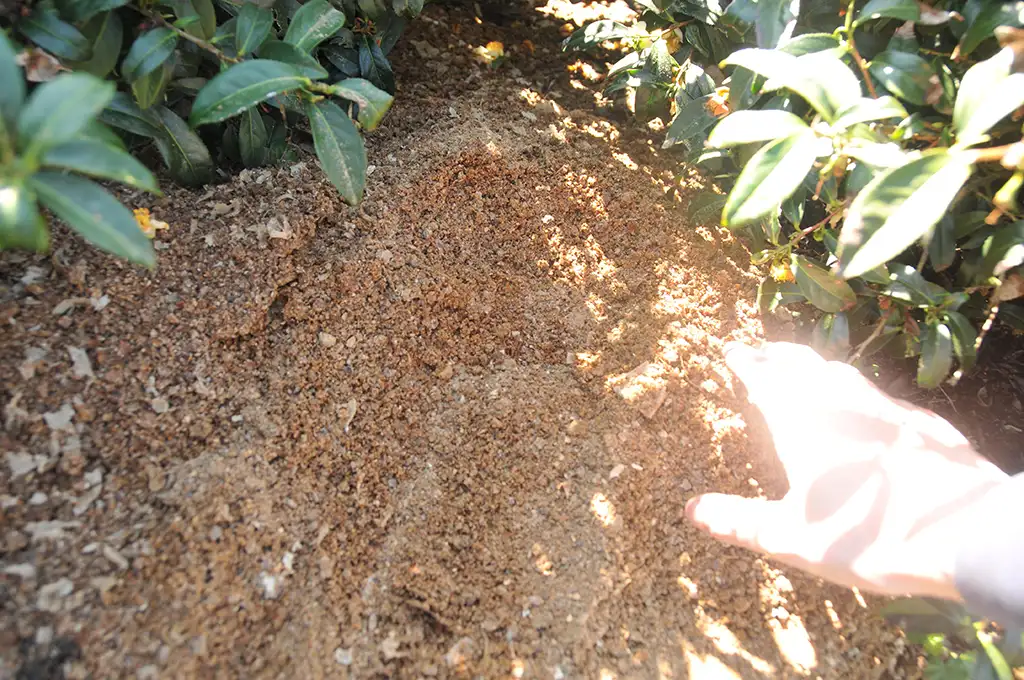
There isn’t much tea to harvest in January, but tea farmers are far from idle! This time of year is crucial for applying basal fertilizer. The amount and quality of fertilizer applied directly determine the strength and quality of this year’s spring harvest, so no detail is overlooked. Farmers select fertilizers based on what the

Shopping Cart