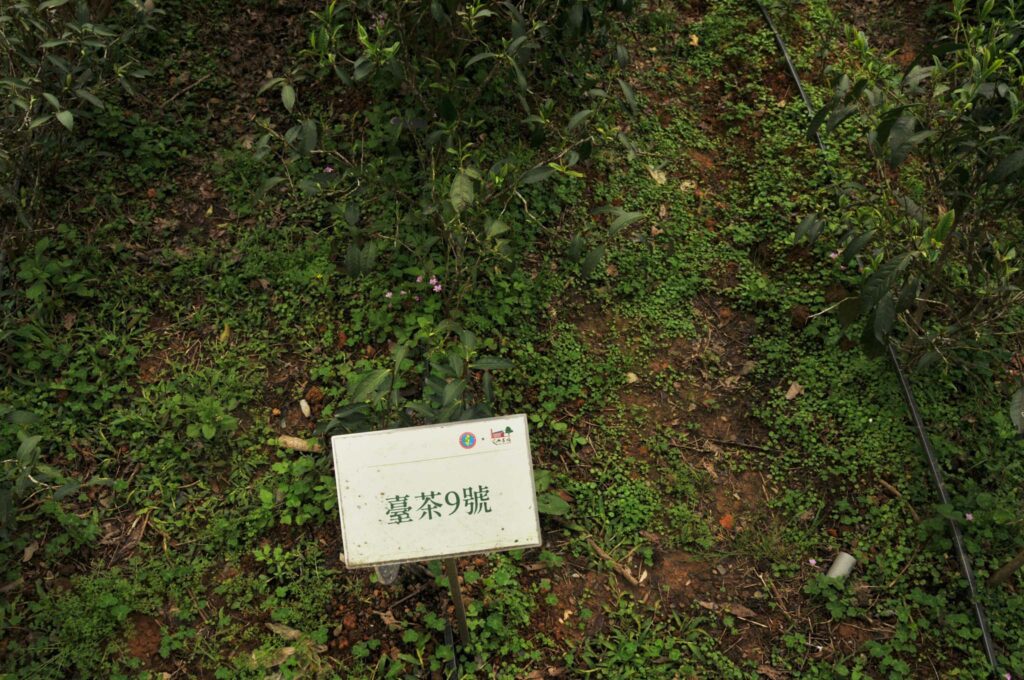
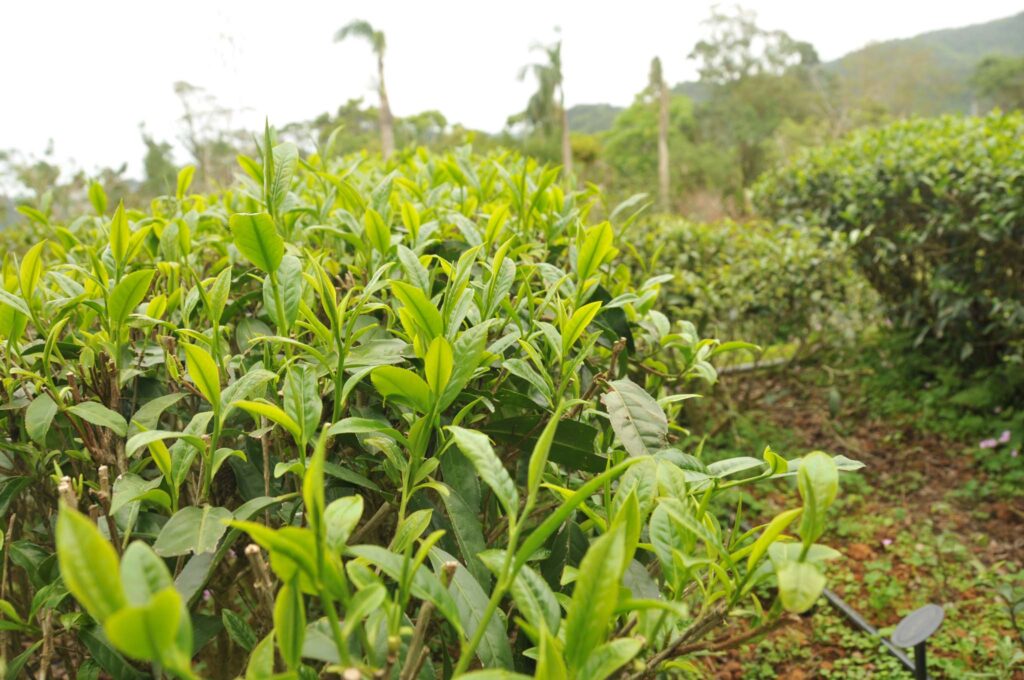
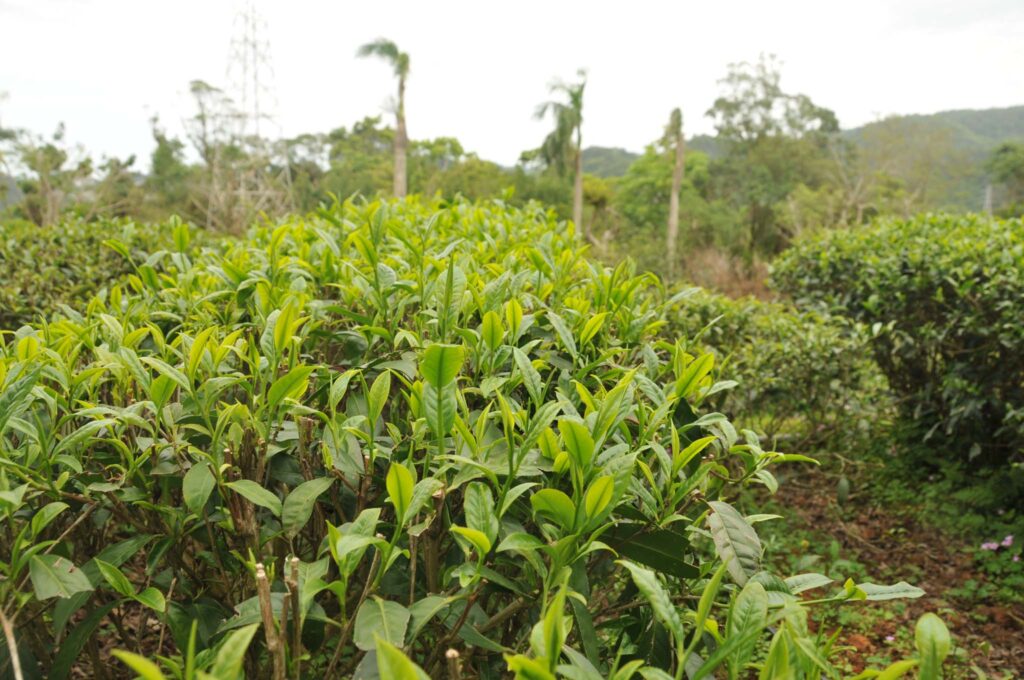
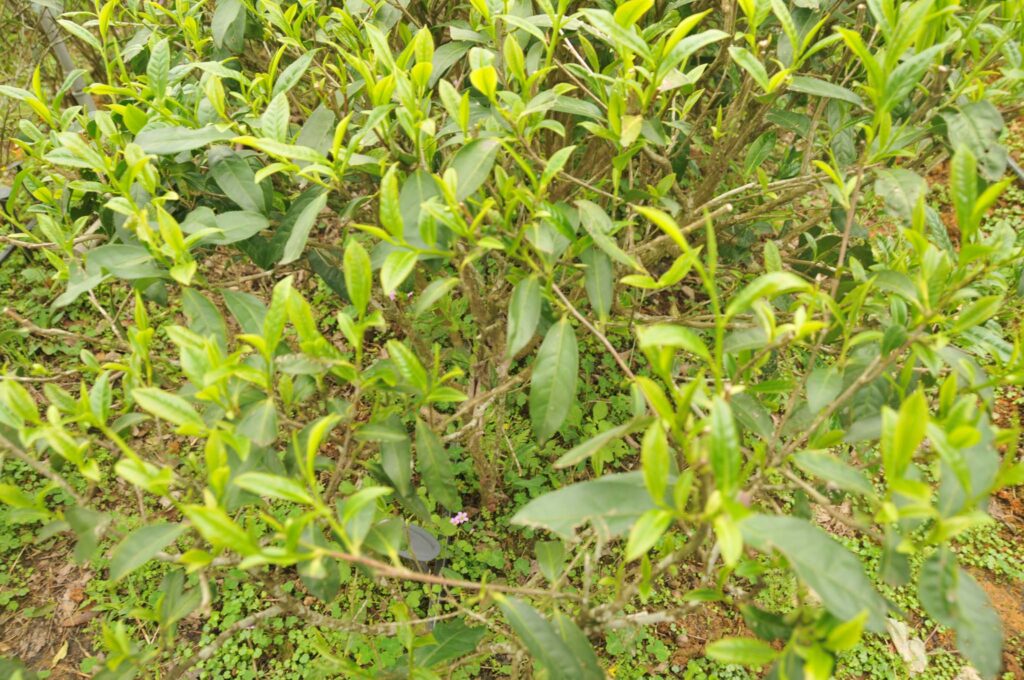
Excerpt from the National Cultural Memory Bank: TTES No. 9 was developed through artificial hybridization using Hongxin Damao as the female parent and Kyang as the male parent. Originally designated as Line 435, it was officially named TTES No. 9 in 1975. During the same period, 26 lines and 3 control cultivars (Qingxin Damao, Jaipuri, and Tainong No. 29) participated in regional trial selections. The 26 lines were divided into two groups, each with 13 lines tested alongside the 3 control cultivars. Group A trials were held at the main station, Guanxi, and Ruisui in Hualien; Group B trials took place at the main station, Toufen, and Binglang in Taitung. Based on regional trial results, TTES No. 9 demonstrated outstanding characteristics. It achieved the highest fresh leaf yield across all three Group B trial sites—particularly in Taitung, where yield exceeded Qingxin Damao by more than double (122%) and Assam by over 50%. It boasts high yield, strong adaptability, uniform budding, robust growth, and tender buds, making it ideal for mechanical harvesting. It produces excellent green tea in spring and fine black tea in summer and autumn. Additional characteristics include elongated leaves, dark green color, thicker leaf texture, and tongue-shaped leaf tips. Overall, TTES No. 9 features high yields, versatile processing suitability, and suitability for mechanical harvesting, making it well-suited for cultivation in Taitung’s newer tea regions.