Chinese Tea

Haimagong Tea

Haimagong Tea: A Yellow Tea from Haimagong Township, Guizhou

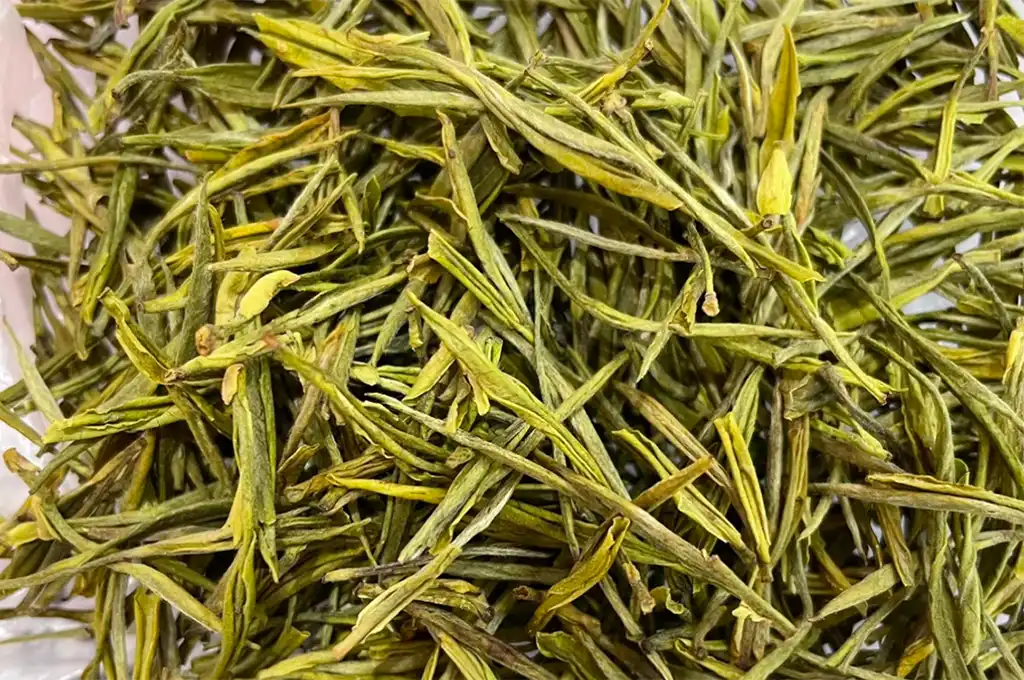
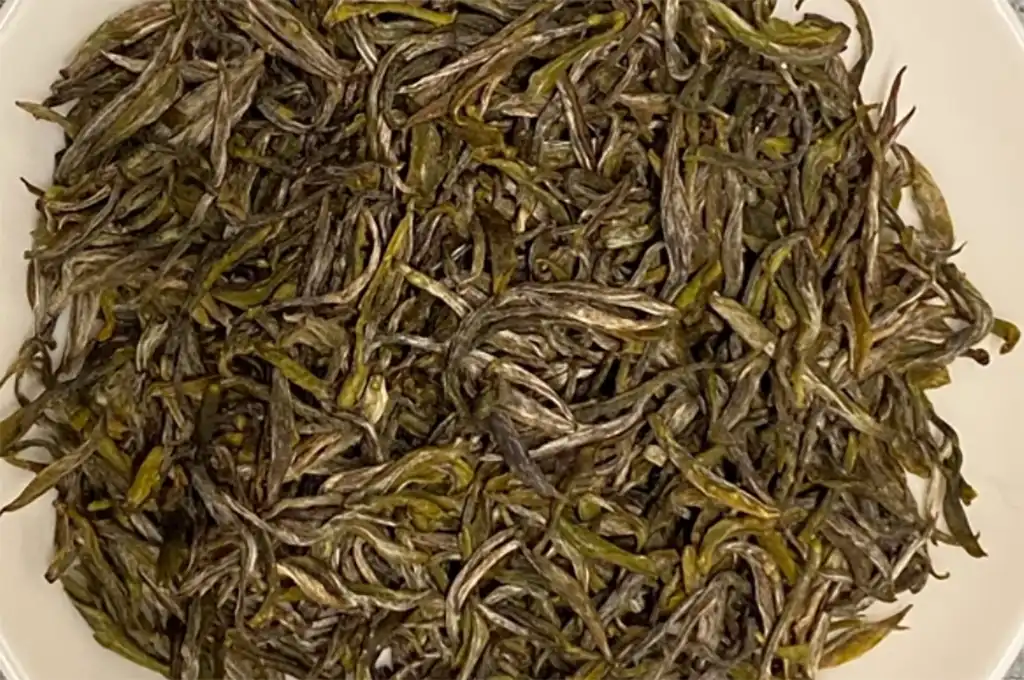
Haimagong Tea is produced in Haimagong Township, Dafang County, Guizhou Province. Belonging to the yellow tea category, it is renowned for its prominent downy hairs, tightly twisted strips, and a bright tea liquor with a yellowish-green hue. Legend has it that during the Qianlong era of the Qing Dynasty, Jian Guichao from Dating Prefecture in
Mogan Huangya

Mogan Huangya: A Yellow Tea from Mount Mogan, Zhejiang

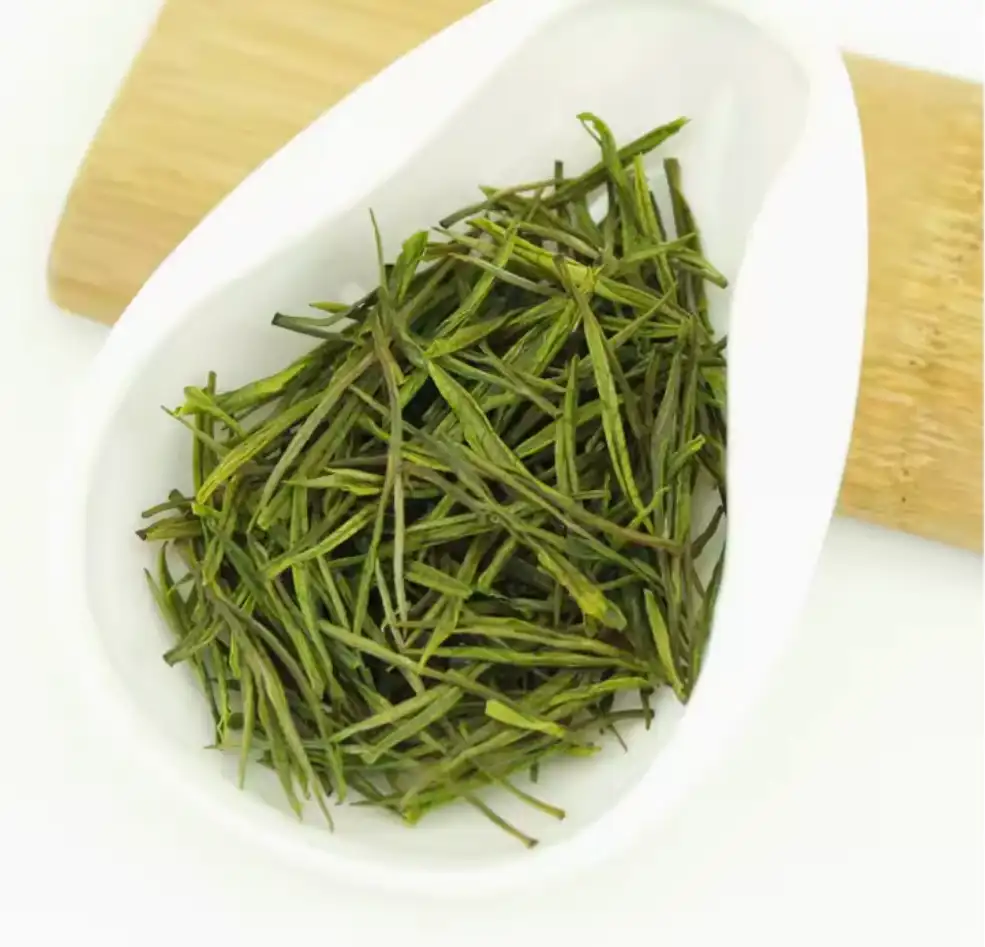
Mogan Huangya tea originates from Mount Mogan in Deqing County, Zhejiang Province, China, and belongs to the yellow tea category. It features a slender, tightly rolled appearance covered in downy hairs, with a yellowish-green hue and a lingering, fresh aroma, making it a prized gem among yellow teas. History of Mogan Huangya Tea As early

How to Distinguish Good and Bad Pu-erh Tea

Since the production volume of Pu-erh tea in Taiwan is relatively low, the general public lacks experience in distinguishing between good and bad Pu-erh tea. It is easy to be misled by merchants, mistaking poor-quality Pu-erh for good stock, or paying top-tier prices for secondary grades. Here, we share a few ways to evaluate the

Introduction to Pu-erh Tea

Pu-erh tea is produced in Yunnan Province, China, and belongs to the category of post-fermented dark teas. It is China’s most famous tea and also the only Chinese tea legally imported into Taiwan. Its defining characteristics include a post-fermentation process known as “wo dui” (pile-fermentation) and being compressed into tea cakes or bricks, making both

Pu-erh Tea for Weight Loss

Pu-erh tea is becoming increasingly popular in Taiwan, and one of the main reasons is its reputed weight-loss benefits. So, what is the science behind the Pu-erh tea weight-loss method, and how effective is it? The Science Behind Pu-erh Tea for Weight Loss The tea polyphenols, chlorophyll, catechins, and vitamin C found in tea leaves

Wuyi Dahongpao Tea

Wuyi Dahongpao Tea: The Foremost of the Four Famous Bushes of Wuyi Rock Tea!

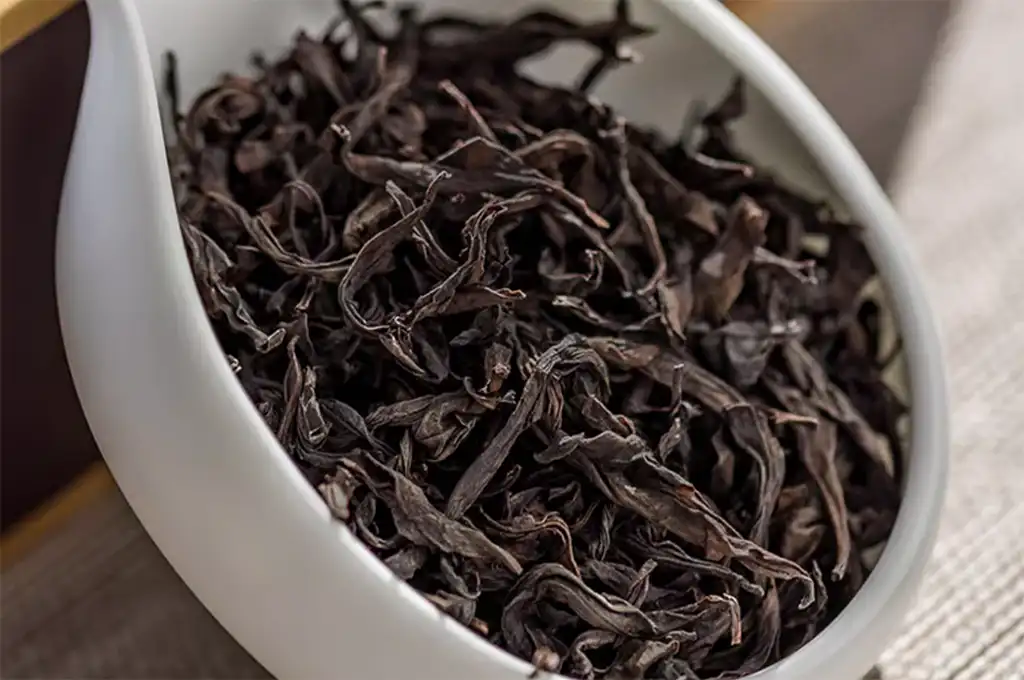
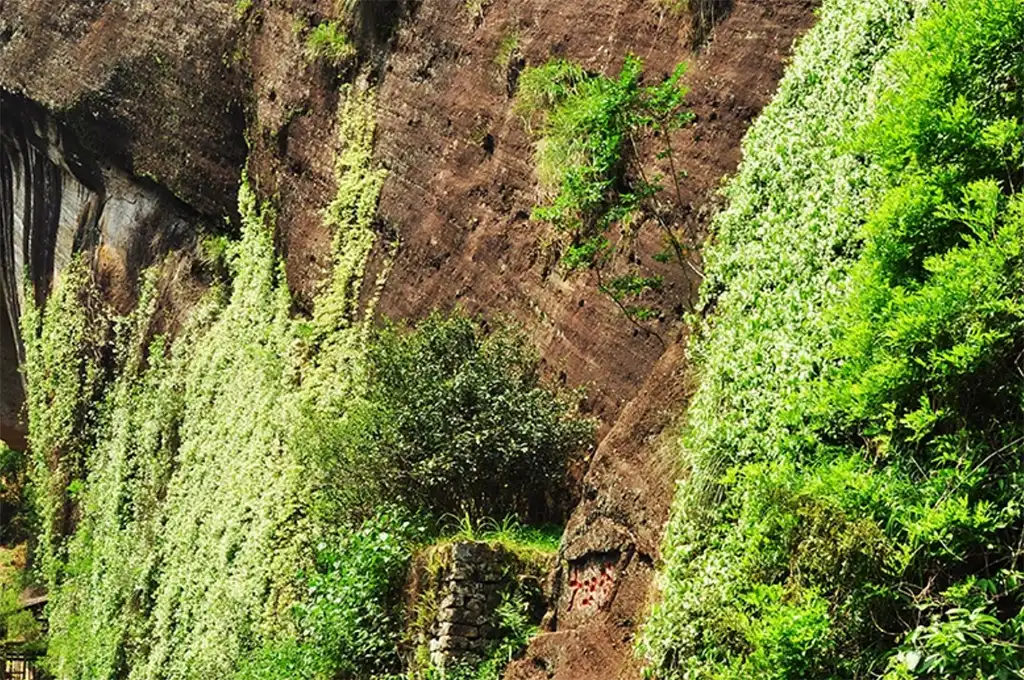
Dahongpao is a tea tree variety originating from Mount Wuyi in Fujian. Wuyi Dahongpao tea is typically processed into oolong tea. The original Dahongpao mother bushes grow on the cliffs of Jiulongke in Mount Wuyi. There are only 6 bushes in existence, yielding merely a few hundred grams annually. Vegetative propagation began in 1982, and

How to Brew Pu-erh Tea

Pu-erh is a post-fermented dark tea, and its brewing method differs from black, green, and oolong teas. Avoid using standard oolong brewing methods for Pu-erh, otherwise, the flavor will be compromised, and you won’t fully experience its true taste and value. Break up the tea: Use a tea knife to gently pry the tea cake

Moldy Pu-erh Tea

Because Pu-erh tea has a relatively high moisture content, special care must be taken when storing it in warm and humid environments, otherwise it is prone to mold. Generally speaking, Pu-erh tea simply needs to be kept in a well-ventilated, dry environment protected from direct sunlight and moisture. Thinking about trying to salvage moldy Pu-erh

Wuyi Yancha Rougui Tea

Wuyi Yancha Rougui Tea: A Tea Variety Renowned for Its Aroma

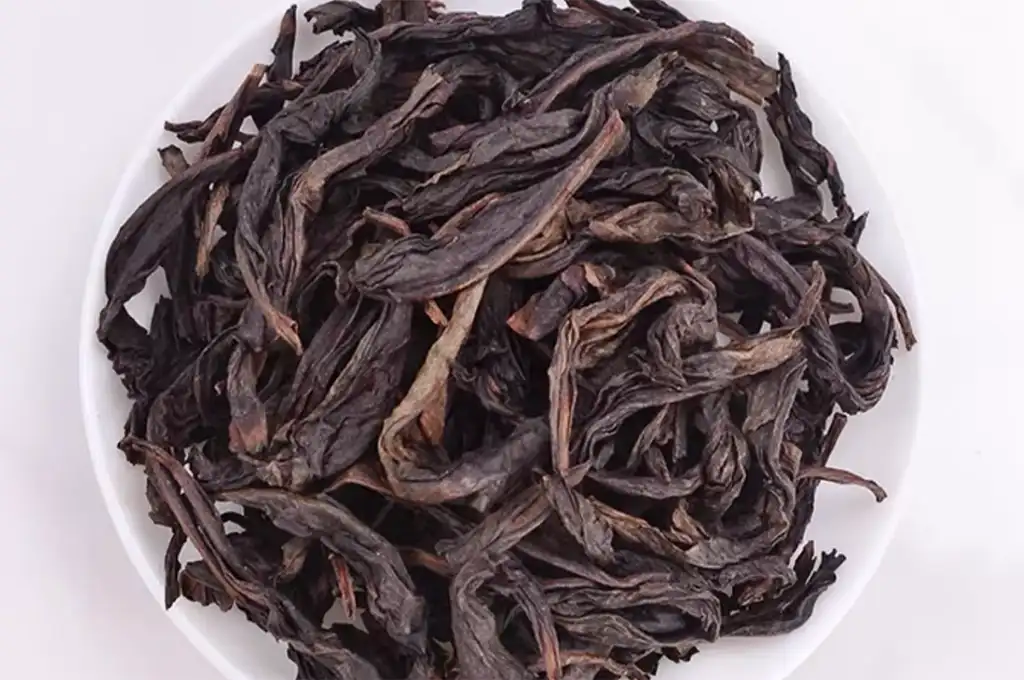
Rougui tea is derived from a tea plant variety originally known as Yugui. Wuyi Yancha Rougui tea is characterized by tightly twisted strips, a dark, lustrous appearance, and a pungent, sharp aroma reminiscent of cinnamon. Because of its distinct cinnamon-like fragrance, it is commonly referred to simply as Rougui (Cinnamon) tea. Rougui is considered one

Wuyi Shuixian Tea

Wuyi Shuixian Tea: A Tea Tree Variety Renowned for Its Mellow Flavor

Shuixian is a tea tree variety originally from northern Fujian and later transplanted to the Wuyi region. The Wuyi Shuixian tea made from it is of exceptional quality, known not only for its distinct “rock rhyme” (yanyun) but also celebrated for its rich, mellow taste. Today, Wuyi Shuixian and Rougui are considered the finest varieties

Phoenix Narcissus Tea

Phoenix Narcissus tea originated in Guangdong, with the Phoenix Mountain area in Chao’an County being its earliest production region. It later spread to various areas in Guangdong such as Huanan, Raoping, Fengshun, Jiaoling, and Pingyuan, eventually becoming a renowned tea tree variety and an ideal cultivar for making Oolong tea. The characteristics of Phoenix Narcissus

Southern Fujian Oolong Tea

Fujian is the primary origin of Oolong tea, which is further categorized by region into Northern Fujian Oolong and Southern Fujian Oolong. Among Southern Fujian Oolongs, Anxi Tieguanyin serves as the main representative, with primary tea cultivars including Tieguanyin, Huangdan, Maoxie, Benzhan, and Meizhan. Southern Fujian Oolong represents a major category of Oolong teas, among

Minbei Oolong Tea

Oolong tea is a semi-fermented tea primarily produced in Fujian, China, and is generally categorized into Minbei (Northern Fujian) Oolong and Minnand (Southern Fujian) Oolong. Minbei Oolong is best represented by Wuyi Rock Tea, with notable varieties including Minbei Shuixian, Rougui, Qilan, and Foshou. It is characterized by a heavier fermentation process and a dark,

Taiwan-Style Oolong Tea: Taiwanese Tea with Chinese Characteristics

Taiwanese tea traces its origins back to the tea lineages of Fujian. After over a century of development in Taiwan, it has gradually forged a unique identity of its own, winning widespread acclaim in both Taiwan and the global tea market. As Taiwanese tea has surged in popularity across mainland China in recent years, some

Tianmuhu White Tea

Tianmu Lake White Tea: The Premier Origin of Liyang White Tea

Tianmu Lake White Tea is produced in Liyang City, Jiangsu Province, and belongs to the white tea category. The area surrounding Tianmu Lake is the finest white tea production region in Liyang, making Tianmu Lake White Tea the top-tier white tea of Liyang. Tianmu Lake White Tea: The Premier Origin of Liyang White Tea Liyang

Shopping Cart