
Pu-erh tea is produced in Yunnan Province, China, and belongs to the category of post-fermented dark teas. It is China’s most famous tea and also the only Chinese tea legally imported into Taiwan. Its defining characteristics include a post-fermentation process known as “wo dui” (pile-fermentation) and being compressed into tea cakes or bricks, making both its flavor profile and appearance quite unique.
Pu-erh tea originates from Yunnan Province, with Pu’er City being its most important production area. It is primarily made from Yunnan large-leaf tea varieties. Records of the tea date back to the Ming Dynasty, when it was referred to as “Pu tea.” During the reign of the Yongle Emperor (Ming Chengzu), the compression method for green tea was abolished; however, because Pu-erh is a dark tea, it retained the compression method, which has become one of its most distinctive features today.
Pu-erh Tea Production Method
The production process of Pu-erh tea includes harvesting, withering, fixation, rolling, and drying. Once drying is complete, there are two processing methods: raw (sheng) and ripe (shou). For raw Pu-erh, the tea is compressed into tea cakes after drying, followed by a final drying step. Ripe Pu-erh is more complex and requires pile-fermentation (wo dui), air-drying, sorting, compression, and drying to complete the production process.
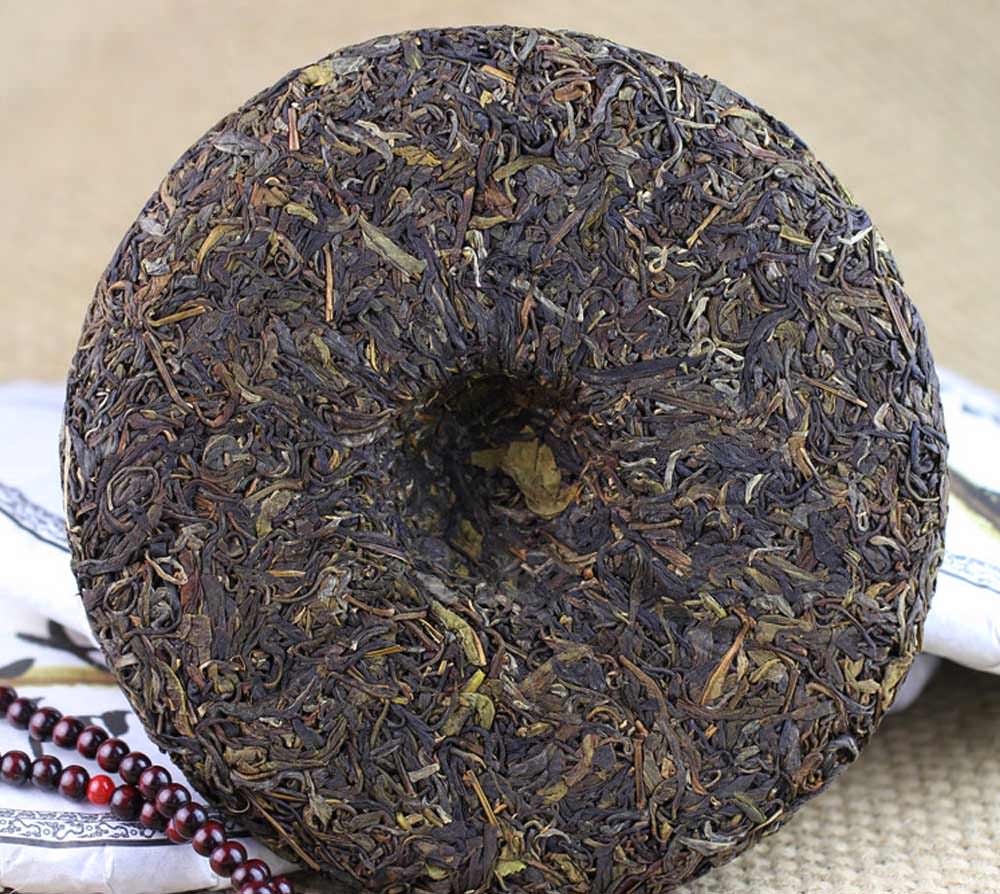
▲ Raw Pu-erh tea with a vibrant green color.
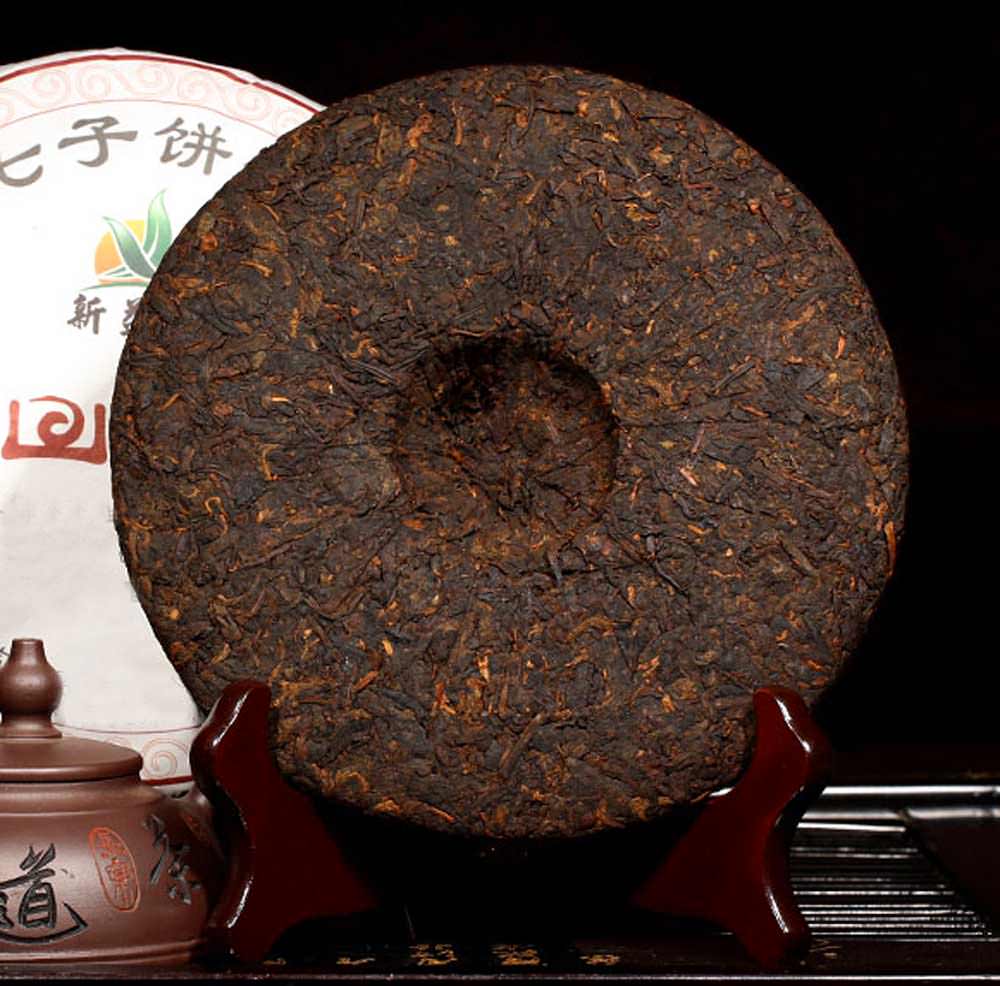
▲ Beautiful ripe Pu-erh tea.
Pu-erh Tea Prices
In recent years, Pu-erh tea has been featured in competitive auctions and collections both domestically and internationally, with a single cake sometimes fetching millions of RMB. This is primarily for 20- to 30-year-old “aged teas.” For general new teas, entry-level options can be found for just tens of RMB; teas aged over 5 years typically cost around NT$500; and those aged over 10 years often run into the thousands. Because of the high prices, the market also sees “antique-style” reproductions—new teas made to look aged on the outside, though they lack the flavor of true aged tea. Consumers should exercise caution when making a purchase.
Pu-erh Tea Storage
Pu-erh tea has a relatively high moisture content and is prone to quality changes, so special attention must be paid to the storage environment, especially in warm climates. Ideally, it should be kept in a dry, well-ventilated place away from direct sunlight and other odor sources (such as camphor, perfume, and condiments). You can also purchase a dedicated tea storage jar, or use a rice urn or tea canister from home. As long as you mind the humidity and temperature, storing Pu-erh tea is not difficult.
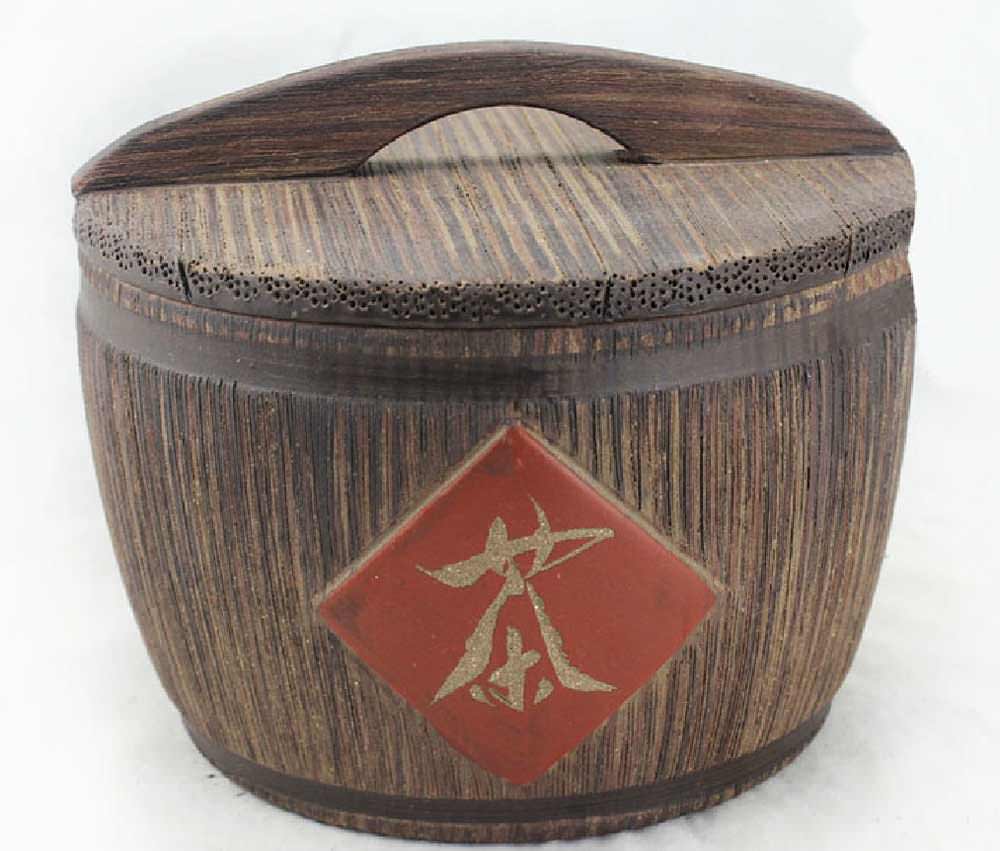
▲ Storing tea in a specialized tea jar is also a great option.