
Since the production volume of Pu-erh tea in Taiwan is relatively low, the general public lacks experience in distinguishing between good and bad Pu-erh tea. It is easy to be misled by merchants, mistaking poor-quality Pu-erh for good stock, or paying top-tier prices for secondary grades. Here, we share a few ways to evaluate the quality of Pu-erh tea to help tea lovers reduce the chances of being deceived when buying tea.
How to Tell Good Pu-erh Tea
To find good Pu-erh tea, you can look at its aroma, liquor color, and brewed tea leaves (tea base).
- Aroma: Pu-erh ripe (shou) tea develops a distinct “ripe aroma” due to the pile-fermentation process. This is only found in dry-stored ripe teas aged under ten years (teas stored without mold are considered dry-stored). After ten years, the ripe aroma gradually fades and transitions into a deep agarwood-like fragrance. A combination of ripe aroma and agarwood notes defines the scent of a good Pu-erh tea.
- Liquor Color: The liquor of dry-stored Pu-erh raw (sheng) tea is chestnut-red, very much resembling heavily roasted Oolong tea.
- Tea Base (Brewed Leaves): The brewed leaves of dry-stored Pu-erh raw tea range from chestnut to dark chestnut in color, similar to Oriental Beauty tea leaves. The leaf strands are plump, full, and soft in texture.
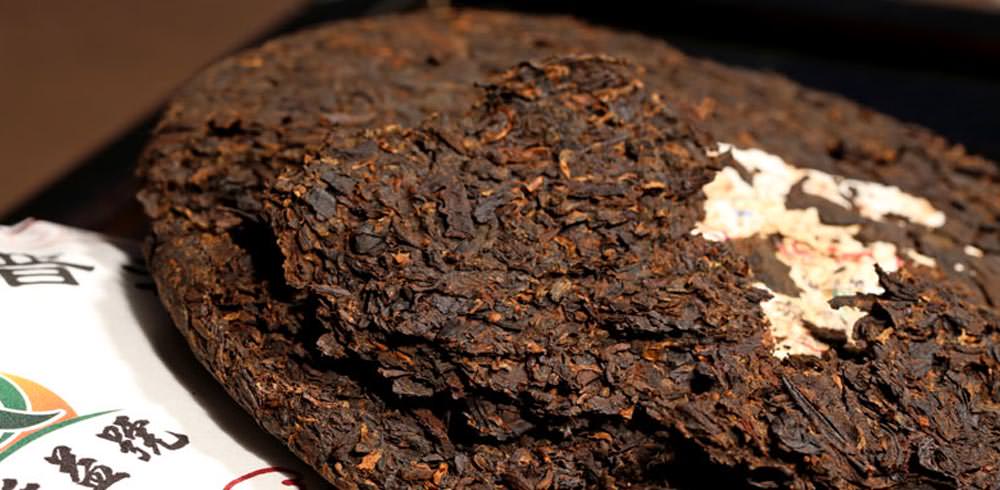
▲ A liver-colored tea cake, simply gorgeous.
Methods for Identifying Pu-erh Tea
First, look at the appearance of the tea leaves to see if the strands are intact; older leaves tend to be larger, while tender leaves are finer. If the tea cake lacks distinct strand shapes or is heavily fragmented, it is a secondary-grade product. Second, look at the color—a liver-colored hue is considered top-tier. Next, examine the tea liquor; good tea will brew with a thin oil film on the surface and a glossy luster. If the liquor looks dark and murky, it is of poor quality. Finally, smell the tea to check if it has a crisp, refreshing scent and a sweet aftertaste (hui gan). Aged tea should feature a sweet, refreshing, aged fragrance rather than a stale or foul odor.
Simply put, a good Pu-erh tea should feature intact strands, a liver color, a glossy tea liquor, and a clean, sweet, refreshing taste. In addition, it must be clean with no foreign objects, free of additives, and have a tea cake appearance that is smooth, neat, and symmetrical. This represents the finest Pu-erh tea.
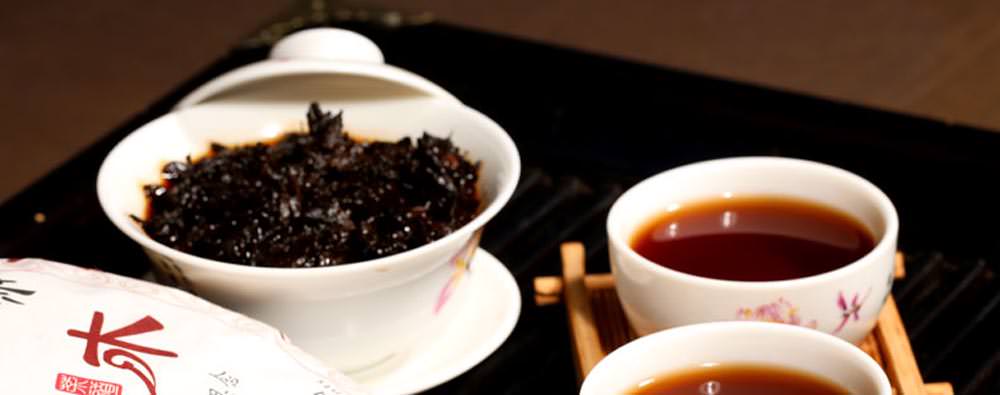
▲ The tea liquor is rich and glossy.