Chinese Tea

Anhua Fuzhuan Brick Tea

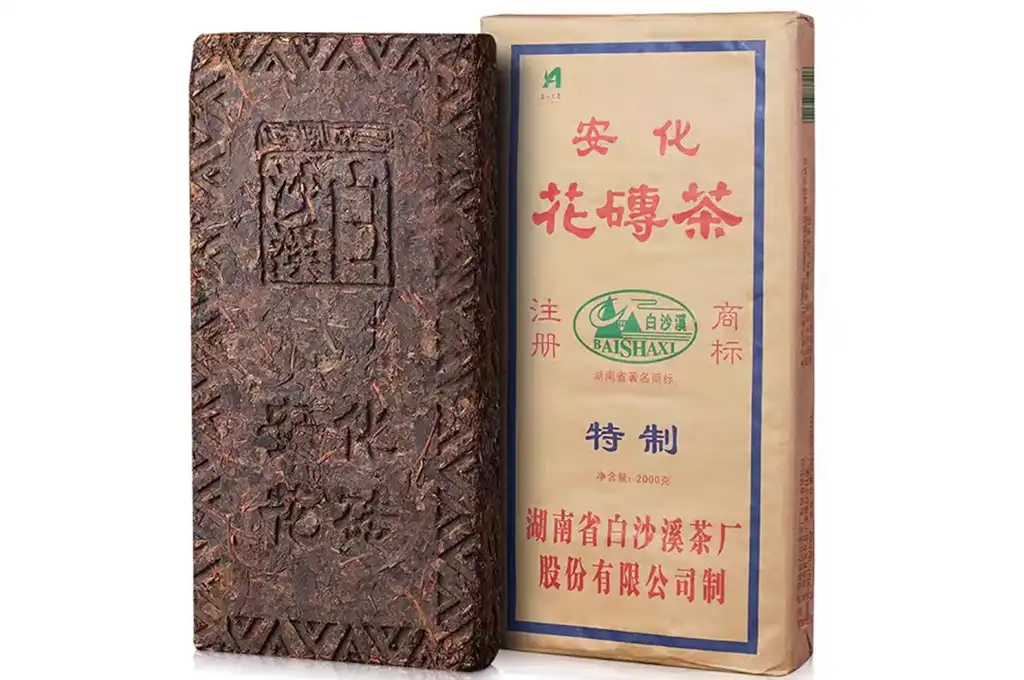
Anhua Fuzhuan Brick Tea: Dark Tea with “Golden Flowers” (Eurotium Cristatum)

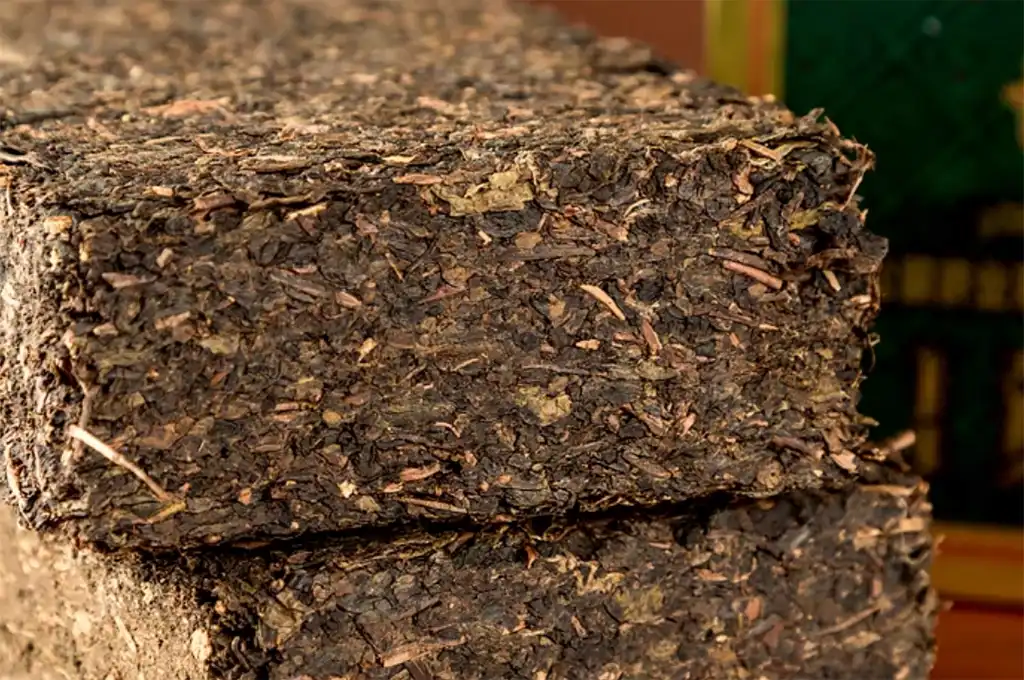
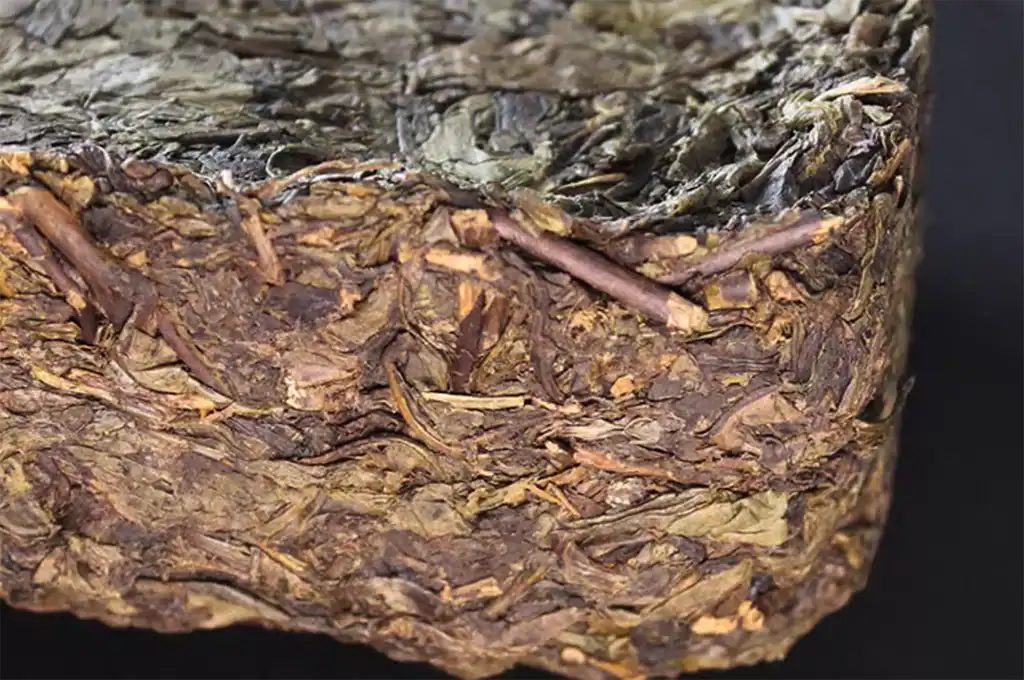
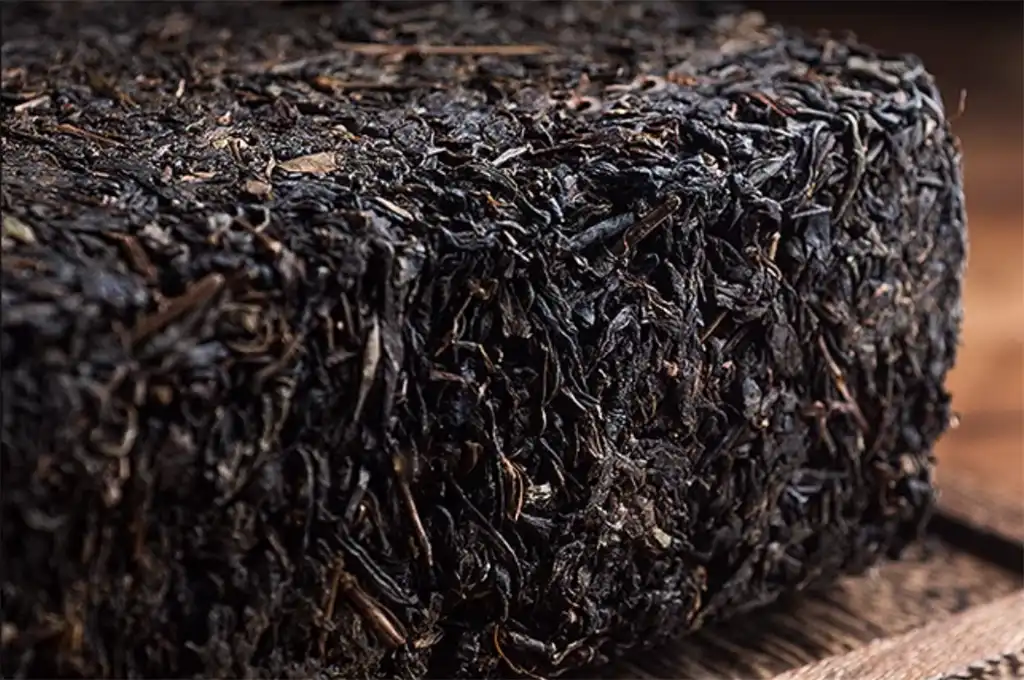
Anhua Fuzhuan Brick Tea is produced in Anhua County, Hunan Province. Also known as Fu tea, it belongs to the brick tea category of Anhua dark teas. This tea is crafted from the highest quality dark rough tea (heimaocha) leaves and undergoes a unique “flower-cultivating” (fa hua) process, which generates “golden flowers”—Eurotium Cristatum—inside the tea
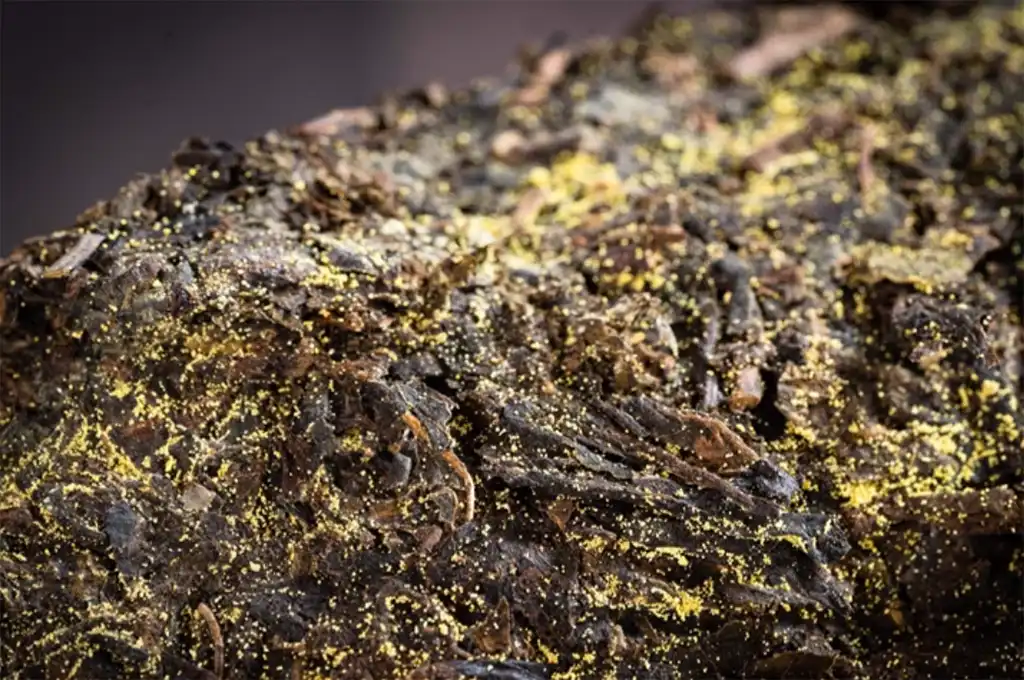
Anhua Fuzhuan Brick Tea Jin Hua

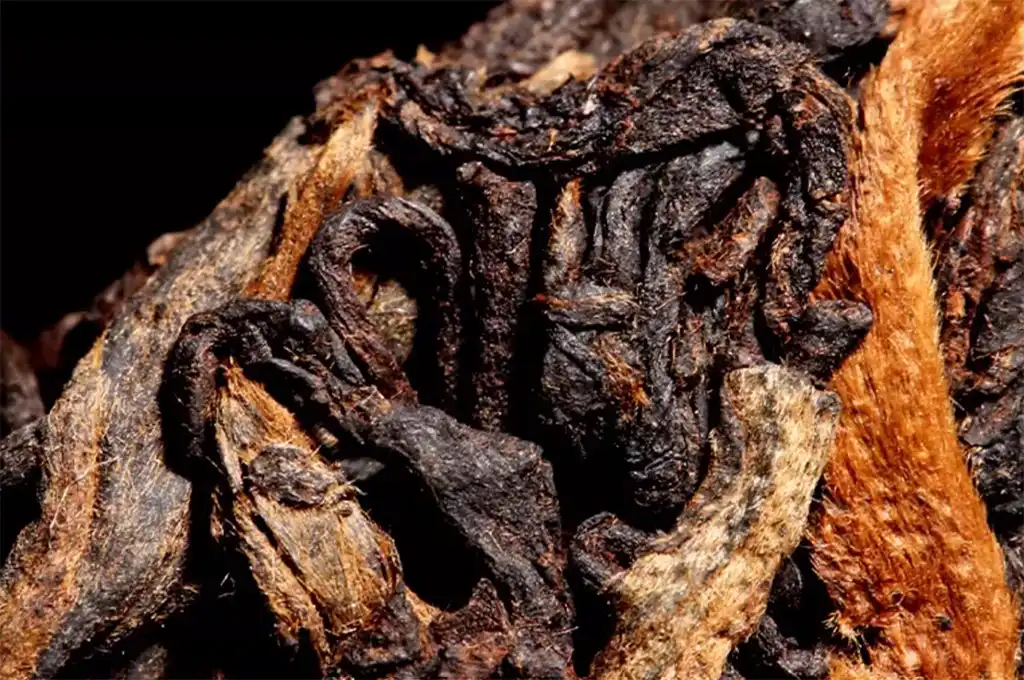
Anhua Fuzhuan Tea’s “Golden Flowers”: The Ultimate Expression of Anhua Dark Tea

The production process of Anhua Fuzhuan tea is similar to other brick teas, but the final, crucial step known as “fa hua” (fruiting/blossoming) determines its quality and price. This technique is designed to cultivate “golden flowers” within the tea. Fuzhuan bricks abundant in golden flowers are considered top-tier dark tea, while poor results lead to

Anhua Gong Jian Dark Tea

Anhua Gongjian Tea: A Relatively Affordable Dark Tea

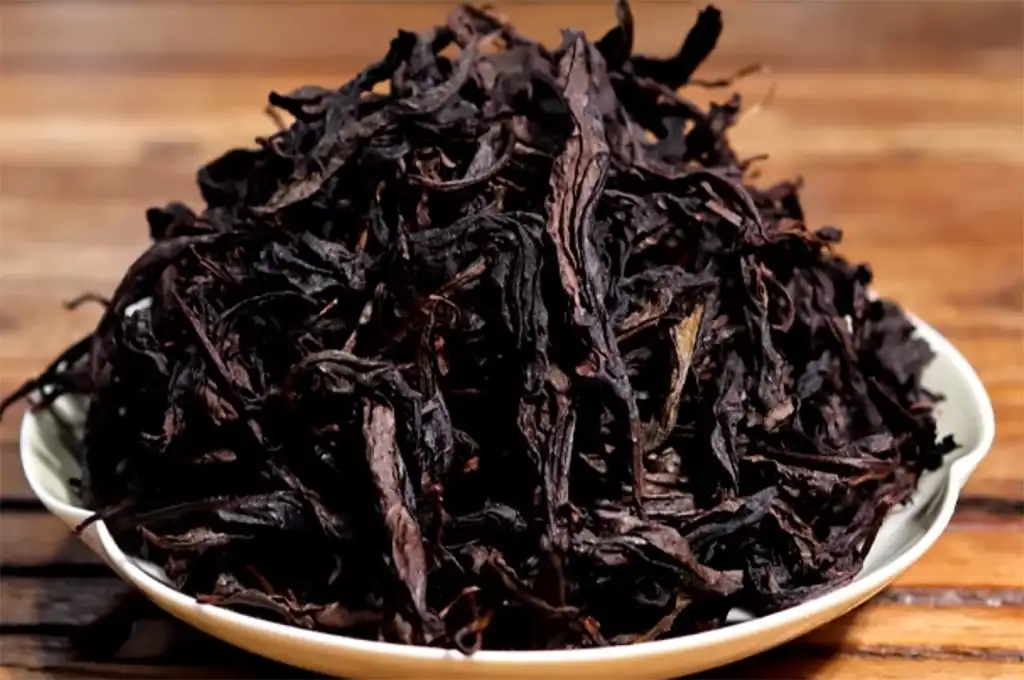
Gongjian tea is produced in Anhua County, Hunan Province. It is one of the “Jiancha” (fine loose dark tea) varieties of Anhua dark tea, belonging to the dark tea category. Jiancha can be divided into three types: Tianjian, Gongjian, and Shengjian. Gongjian is primarily made from second-grade dark rough tea (heimaocha). It is characterized by

Guangxi Liubao Tea

Guangxi Liubao Tea: Dark Tea with Betel Nut Aroma

Guangxi Liubao tea originates from Liubao Township, Cangwu County, Guangxi Province. Belonging to the category of Chinese dark tea (heicha), Liubao tea is best known for its unique betel nut aroma and aged fragrance. The longer it is stored, the higher its quality becomes—especially for Liubao teas that develop “golden flowers” (Eurotium cristatum) beneficial microflora.

Anhua Huazhuan tea

Anhua Huazhuan Tea: Dark Tea with Patterned Brick Surfaces

Anhua Huazhuan Tea is produced in Anhua County, Hunan Province. It belongs to the brick tea category of Anhua dark tea and is a type of dark tea. Anhua dark tea can be divided into Jiancha, Huajuanchuan, and brick teas, with brick teas further categorized into Huazhuan, Heizhuan, Fuzhuan, and Qingzhuan. The defining feature of

Pu-erh tea

Pu’er Tea: China’s Famous Dark Tea Known for Post-Fermentation

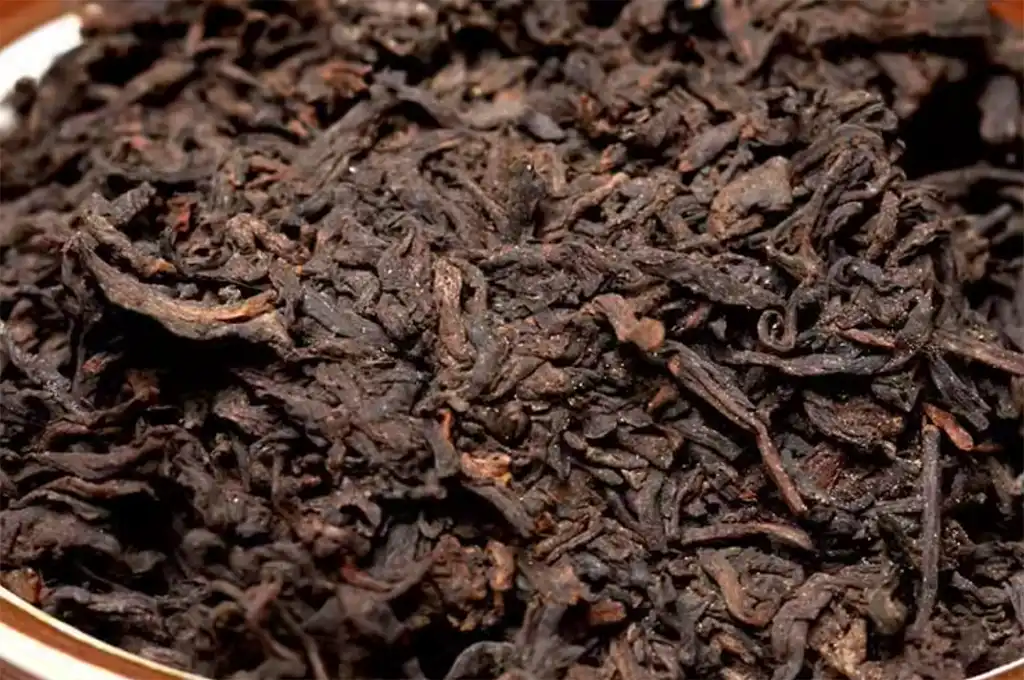
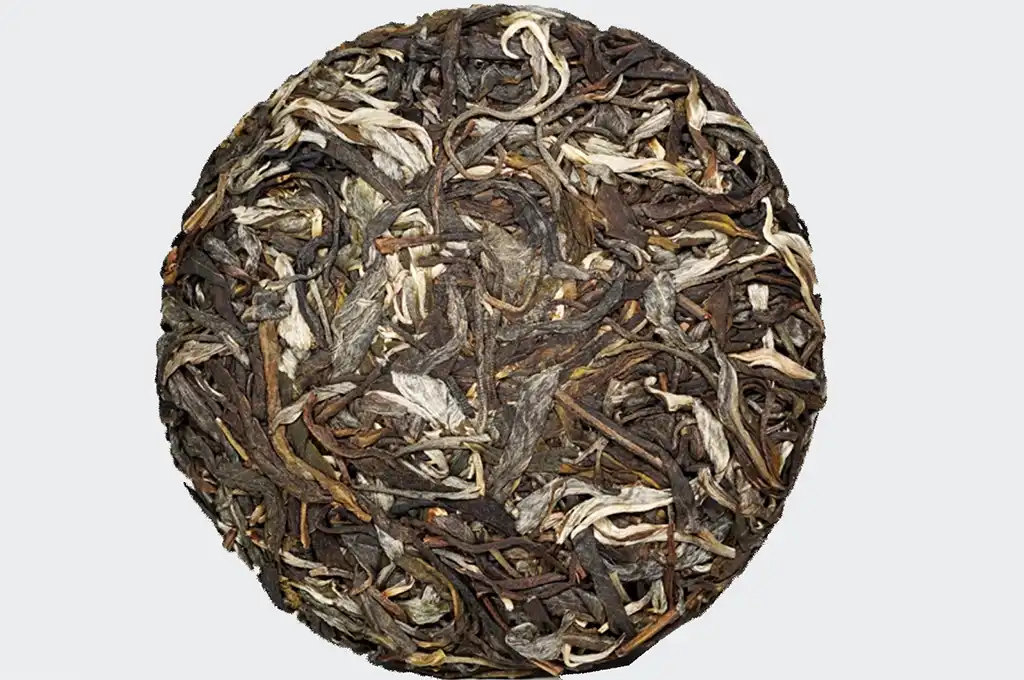
Pu’er Tea originates from Yunnan Province, China, with its main production area located in Pu’er City. Classified as a post-fermented dark tea (heicha), it is one of China’s most renowned teas. It is commonly pressed into tea cakes (bingcha) or tea bricks, with a smaller portion sold as loose-leaf tea. Known for improving with age,

How to Store Pu-erh Tea

Pu-erh tea is categorized into raw (sheng) and ripe (shou) tea. Raw Pu-erh is traditionally aged in dry storage with 60%–80% humidity, while ripe Pu-erh is stored in higher humidity environments above 80%. For the Pu-erh tea you buy home—whether raw or ripe—general storage under normal humidity conditions is usually sufficient. While storing Pu-erh tea

How to Brew Pu-erh Tea

How to Brew Pu-erh Tea: Tips for the Best Taste

How do you brew a delicious cup of Pu-erh tea? As more and more people fall in love with Pu-erh, knowing the right brewing method is just as important as the quality of the tea itself if you want to truly enjoy it. Here is a guide to brewing Pu-erh tea to help you discover

Mi Brick Tea

Mi Brick Tea, also known as red brick tea, originates from Puqi, Hubei, and belongs to the dark tea (heicha) category. It is crafted using black tea flakes and dust as raw materials, which are steamed and compressed. Shaped like a red brick with sharp edges and a glossy, dark surface, it is visually striking.

Jin Jian Zang Cha (Golden Tip Tibetan Tea)

Jin Jian Zang Cha, also known as Jin Jian Tea, is produced in Ya’an, Sichuan, and belongs to the dark tea (heicha) category. Made from the finest raw materials, Jin Jian Zang Cha offers superior smoothness, lingering sweetness (hui gan), and aged aroma compared to standard Tibetan teas. Like Pu-erh, it falls under the dark

Kang砖 Tea

Kang砖 tea, also known as Kang砖 Tibetan tea, is produced in areas such as Ya’an, Yibin, Jiangjin, and Wanxian in Sichuan, and belongs to the dark tea (heicha) category. Much like Yunnan Pu-erh tea, it shares the characteristic of improving in quality as it ages. In earlier years, it was primarily exported to Tibet and

Hubei Lao Qing Cha

Hubei Lao Qing Cha: World-Class Chibi Brick Tea

Hubei Lao Qing Cha, also known as Qing Brick Tea or Chuan-character Brick Tea, is a dark tea primarily produced in counties and cities across Hubei Province, including Chibi, Puqi, Xianning, Tongshan, Chongyang, and Tongcheng. Lao Qing Cha refers to both the tea tree variety and the finished dark tea crafted from it. Its main

Hubei Dark Tea: Characterized by Qing Brick Tea

Hubei dark tea, also known as Hubei Laoqing tea, Chuanzi tea, or Hubei Qing brick tea, belongs to the dark tea (heicha) category. This tea is primarily produced in areas such as Puqi, Xianning, Tongshan, Chongyang, and Tongcheng within Hubei Province. Represented mainly by Qing brick tea, Hubei dark tea is celebrated for its rich

Sichuan Tibetan tea

Sichuan Zang Cha: Ya’an Tibetan Dark Tea with a Rich, Aged Flavor

The main production area for Sichuan Zang Cha (Tibetan dark tea) is located in Ya’an City, Sichuan Province. It is a post-fermented dark tea (heicha) named for its long history of being supplied for the daily consumption of the Tibetan people. Because its primary production hub is in Ya’an, Sichuan, it is also known as

Tuocha

Tuocha, also known as bowl tea, is a type of compressed tea shaped like a truncated dome or bowl. It is a traditional processing method most commonly associated with dark tea (heicha). Well-known varieties like Pu’er, Anhua dark tea, and Tibetan tea are frequently pressed into Tuocha. Its primary benefits lie in the convenience of

Shopping Cart