
Customer inquiry: A friend told me that your high mountain autumn tea is delicious. Could you please tell me when the autumn tea is harvested, and what its characteristics are? Why is autumn tea rarely seen on the market? Is it because the harvest volume is very low? Which tea region produces the best quality autumn tea?
Liao Chang-Xing Tea Reply: "High Mountain Autumn Tea Harvest Time"
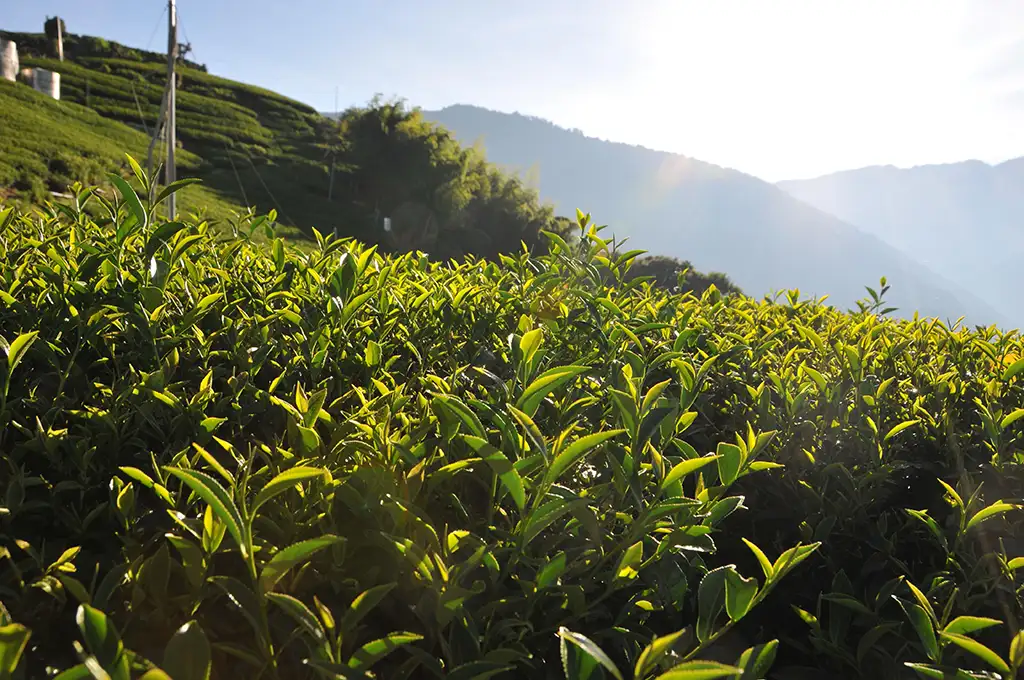
The harvest time for high-mountain autumn tea is similar to winter tea, generally starting from the high-altitude tea regions, usually from late July to early August. The highest-altitude tea regions, such as HuaGung and Dayuling, are harvested the earliest. Next are the tea regions at altitudes of 1,500–2,000 meters, such as Lishan, Cuifeng, Qilai Mountain, Cingjing, and LongFengXia, which are harvested from early to late August. Finally, ShanLinXi and Alishan at altitudes of 1,000–1,500 meters are harvested between mid-August and mid-September.
It is worth noting that high-mountain tea gardens do not necessarily harvest autumn tea every year, as this depends on the growth condition of the tea leaves. Some tea gardens choose to harvest only one season between summer and autumn—for example, harvesting the summer tea and skipping the autumn tea, or resting through the summer and harvesting the autumn tea instead.
What are the characteristics of autumn tea?
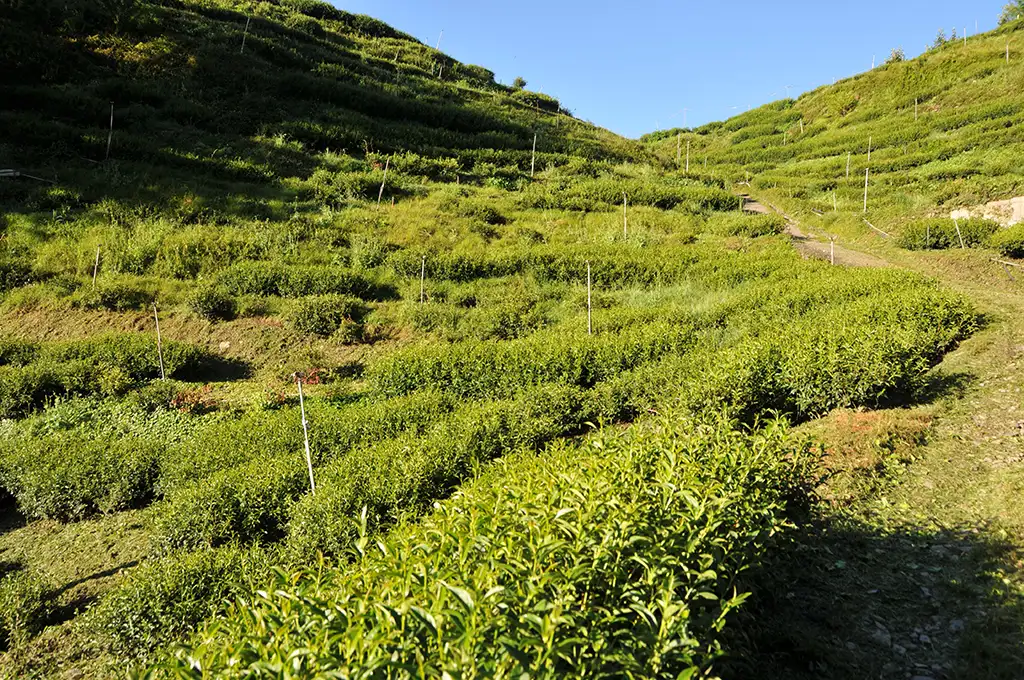
- Prone to bitterness and astringency: Due to high temperatures and strong sunlight during the summer and autumn seasons, high-mountain oolong tea made during this time is prone to bitterness and astringency, which is especially noticeable in lower-altitude autumn teas. However, in higher-altitude regions, lower temperatures make the bitterness and astringency much less pronounced.
- Relatively affordable price: Compared to the most expensive winter and spring teas, high-mountain autumn tea is priced at a little over half of theirs. Autumn tea produced with sufficient fertilization and excellent craftsmanship is no less in quality than winter tea. Therefore, with its lower price, autumn tea offers one of the best values of the entire harvest year.
Why is autumn tea rarely seen on the market?
The production volume of high-mountain autumn tea is actually quite substantial, and most tea gardens above 1,600 meters in altitude harvest autumn tea. Moreover, thanks to its excellent quality, autumn teas from major tea factories have sold quite well in recent years. The reason autumn tea is rarely seen on the market is due to “consumers’ preconceived notions about autumn tea,” which leads some tea merchants to mislead consumers about the correct harvest season to increase profits, or to mix autumn tea with winter tea for sale. Observations in recent years show that the production volume of high-altitude autumn tea even exceeds that of winter tea, meaning a large amount of autumn tea on the market is sold as winter tea.
Which tea region produces the best autumn tea?
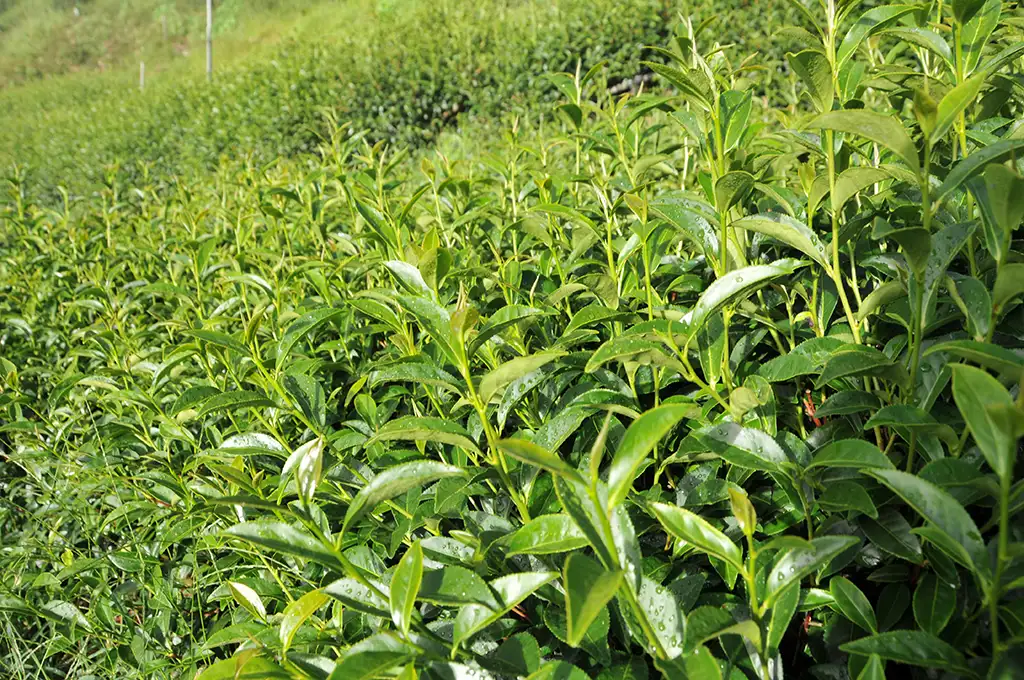
The quality of autumn tea from high-altitude tea regions is generally quite good, especially in areas above 1,500 meters. Because the average temperatures in high-mountain regions during summer and autumn do not exceed 20°C, combined with a large diurnal temperature range, this growing environment is actually superior to the spring and winter teas of lowland tea regions. As long as you choose a well-managed tea garden with adequate fertilization, the quality of the autumn tea will definitely not disappoint.
Conclusion: Autumn tea is of excellent quality, making it especially suitable for beginner tea enthusiasts and those on a budget. High-mountain autumn tea priced around NT$2,000 per 600 g can truly be called “exceptional value for money.” Although autumn tea lacks the delicate subtlety of spring and winter teas and has a slightly higher level of bitterness and astringency, if you cannot tell these subtle differences apart, choosing autumn tea allows you to save on the price difference compared to winter tea while still enjoying high-quality tea leaves.