|
Qingxin Oolong Tea
|
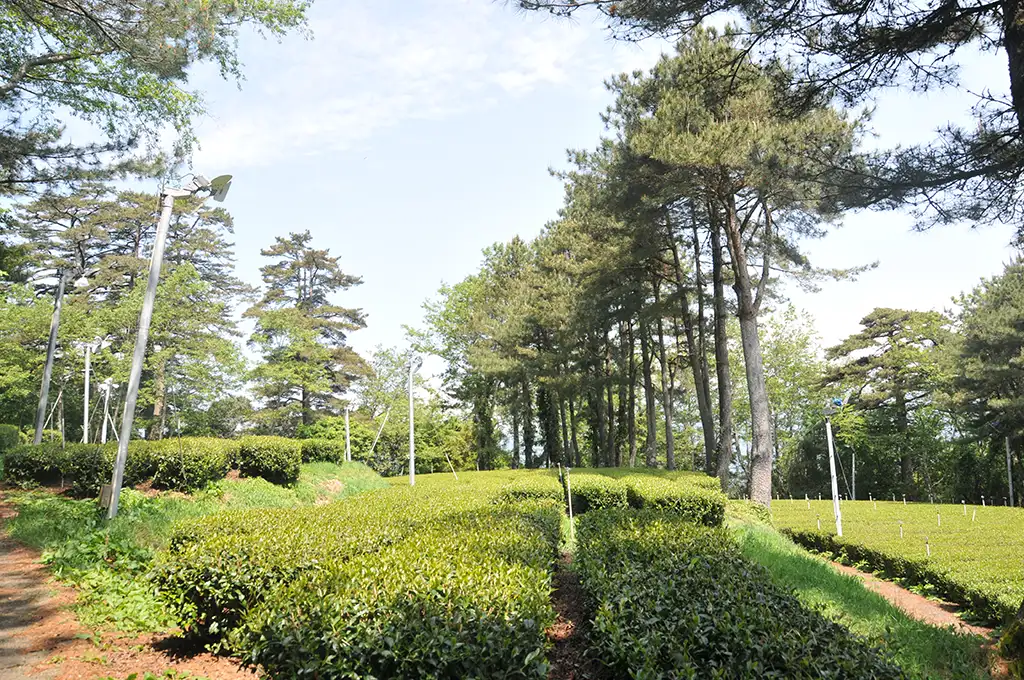
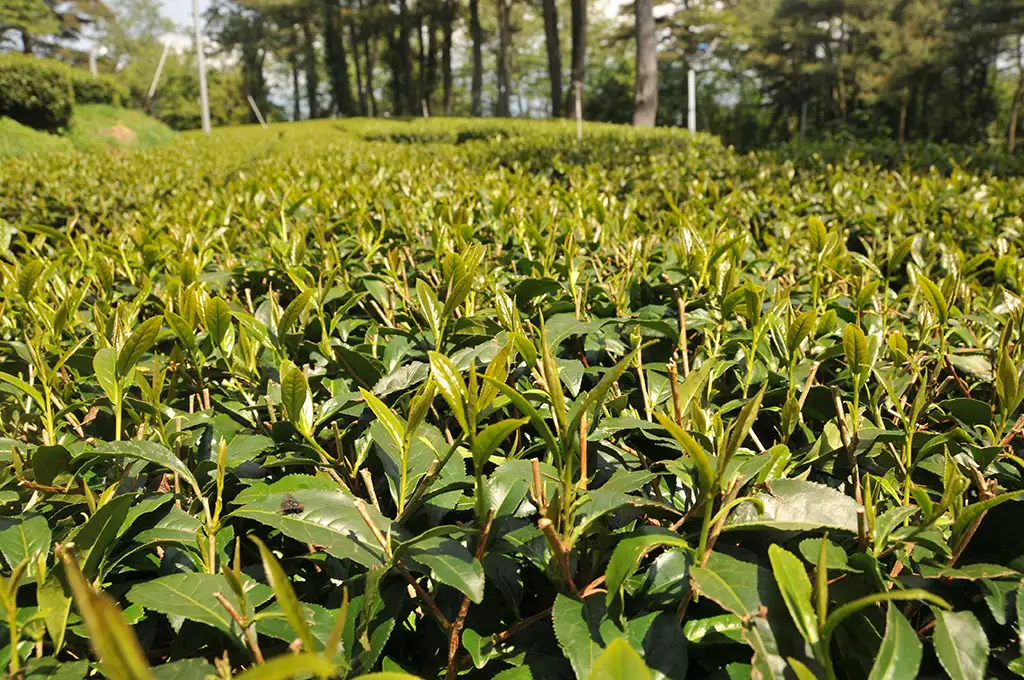
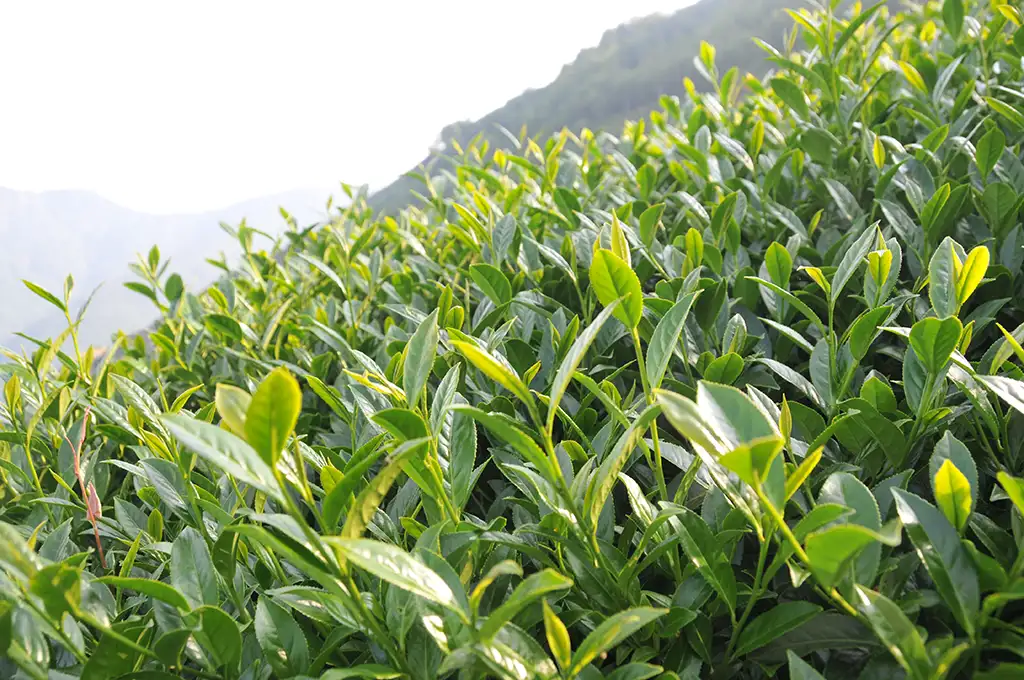
Also known as Ruanzhi Oolong, it is the “king” of Taiwan high-mountain teas. Over 85% of its cultivation is in tea regions above 1,000 meters in altitude, and more than 95% above 1,500 meters. The higher the altitude for Qingxin Oolong, the better the quality, making it widely recognized as the top-tier tea.(The 3 images above show Qingxin Oolong)
|
|
JinXuan Tea
|
JinXuan tea is typically grown in tea gardens below 1,000 meters, though it achieves exceptional quality in regions like Meishan and Zhuqi in Chiayi at around 1,000 meters. It is less commonly planted above 1,500 meters, but can still be found in high-altitude areas like Lishan and Cuifeng at 1,800 meters.
|
|
Tieguanyin Tea
|
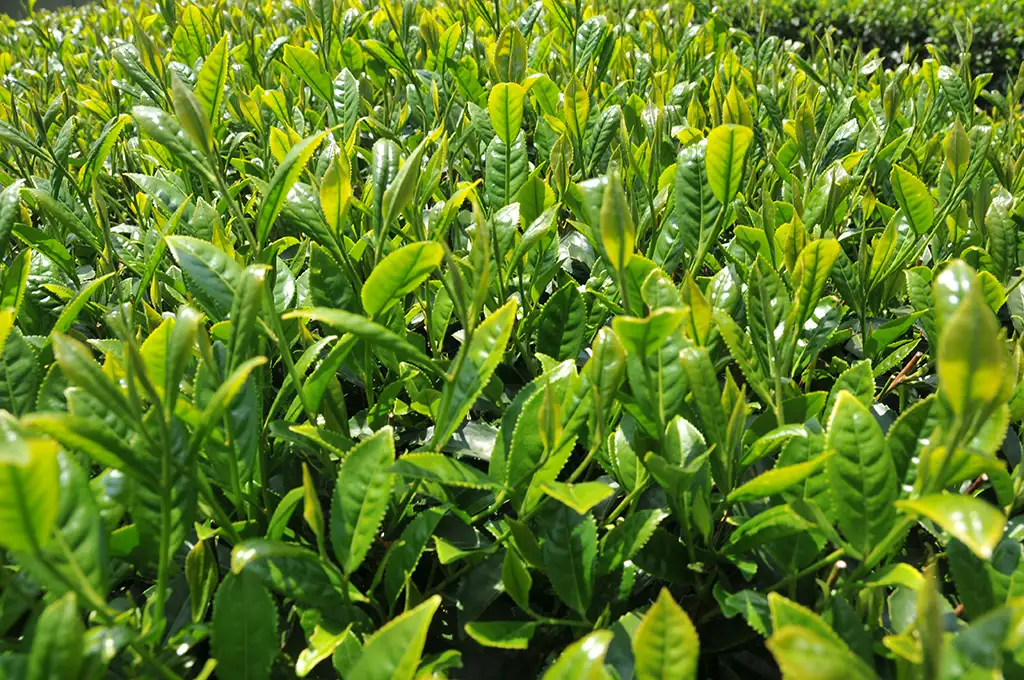
Rich in flavor, its quality rivals Qingxin Oolong and sometimes even surpasses it in certain aspects. High-mountain Tieguanyin has a lower yield and is difficult to produce, though its cultivation has increased in recent years. “High-Mountain Tieguanyin” is praised by tea lovers as a rare high-mountain delicacy.(The image below shows Tieguanyin)
|
|
Yingxiang Tea (TTES No. 20)
|
As a newer variety, Yingxiang tea has also seen an upward trend in high-mountain cultivation in recent years. It can be found in tea regions such as ShanLinXi, Qilai Mountain, and Ren’ai Township. Yingxiang tea is wonderfully aromatic with a distinct high-mountain character, which becomes even more prominent when grown at higher altitudes.
|