Before production is complete, tea leaves undergo a drying process to reduce their moisture content to below 5%, ensuring they can be stored for the long term. However, during storage, improper handling or exposure to air and moisture will cause the moisture content of the tea leaves to rise. Once it reaches a certain level, the tea may develop mold.
Can You Drink Moldy Tea?
No! No matter how precious the tea leaves are, it is not recommended to drink them once mold is found. Moldy tea may contain toxins that cannot be eliminated by high temperatures. Drinking it can lead to mild symptoms like discomfort and headaches, or more severe kidney damage. Therefore, for the sake of your health, never drink any tea once it becomes moldy, no matter how expensive or rare it is.
How to Tell If Tea Leaves Are Moldy
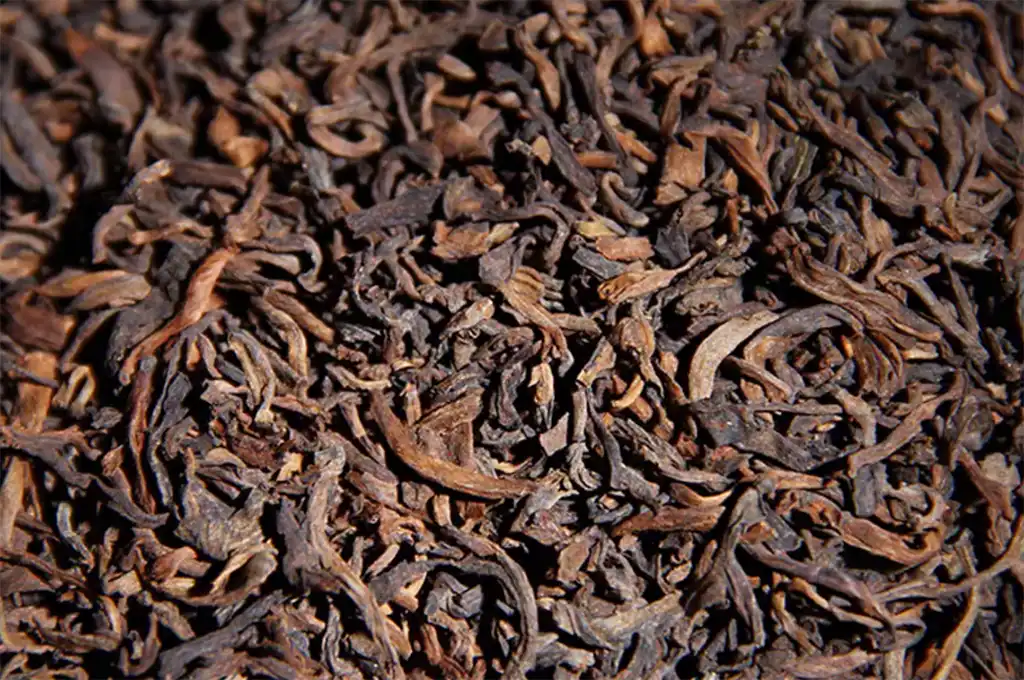
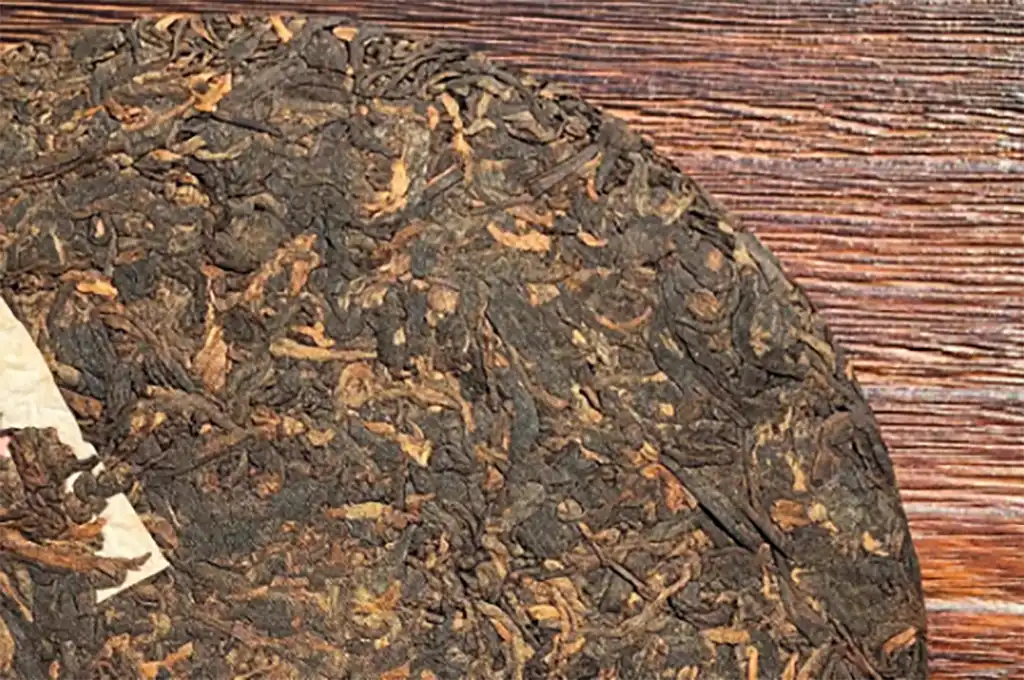
If the tea leaves smell musty or like seaweed, have white or green mold growing on the surface that disperses like smoke when blown on firmly, easily flake off when touched, or leave your mouth feeling numb and your throat feeling irritated when tasted, then the tea is moldy. However, dark tea (heicha) varieties with “golden flowers” (jinhua) or white frost are exceptions—these are beneficial fungi that do not harm health.
How to Handle Moldy Tea Leaves?
Unless it is the “golden flower” (fuzhuan) or “white frost” of dark teas (such as Pu-erh), drinking moldy tea is not recommended, nor is re-drying or re-roasting it. If you discover mold, remember to isolate the affected tea immediately from the unaffected ones to prevent the mold from spreading. As for moldy tea, if the condition is not severe, you can use it for household deodorizing or foot baths. If the mold is obvious, it can only be discarded or used for gardening compost.

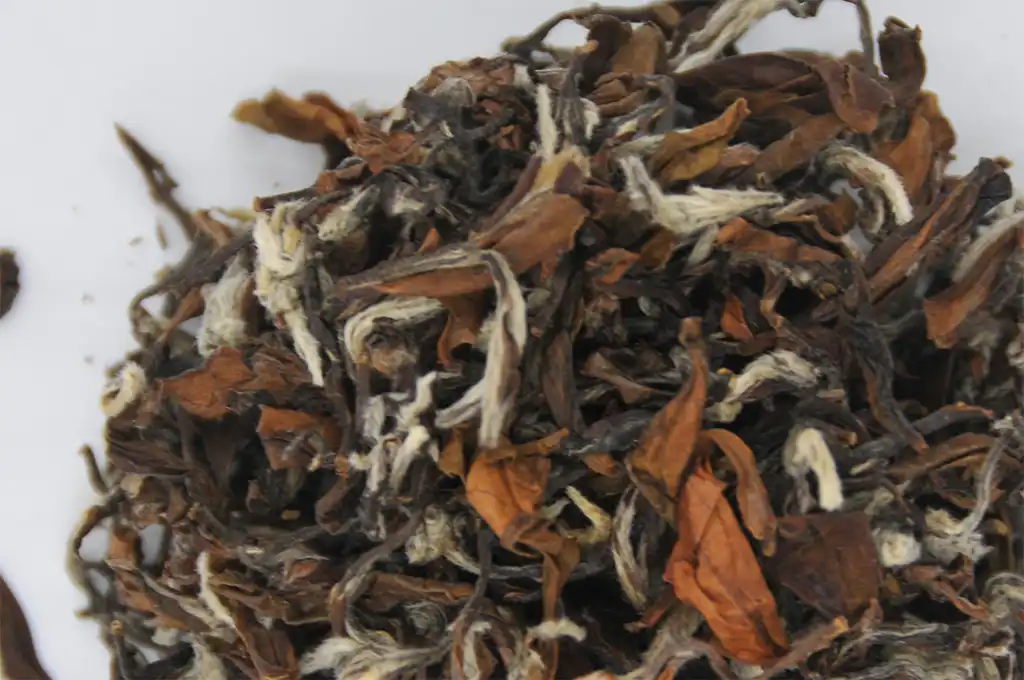
Is the white fuzz on tea leaves mold?
Not necessarily. The tender buds of tea leaves showing a downy white appearance is completely normal; these are the white hairs that grow to protect the young shoots. This is most commonly seen in Oriental Beauty tea’s pekoe (pictured above), and can also be found in high mountain oolong tea, Pu-erh tea, and white tea. Pekoe is one of the characteristics of high-quality tea—the more pekoe, the more tender the leaves, which usually also represents better raw material quality.
How to handle moldy tea? Can moldy tea be drunk?
To reiterate, drinking tea once it becomes moldy is not recommended. If you cannot determine whether the white growth on dark teas or Pu-erh teas is “white frost” or “golden flower,” it is advised to seek assistance from a professional tea merchant rather than risking consumption. No matter how precious or expensive the tea is, do not drink it if it has molded; do not compromise your health out of thriftiness.