Do All Green Teas Contain Catechins?

Do all green teas contain catechins? Yes, all teas in the green tea category contain catechins. Beyond green tea, white tea, yellow tea, oolong tea, black tea, and dark tea—all varieties of tea contain catechins. Because green tea skips the fermentation process during production, it retains the richest amount of catechins.

Do all green teas contain catechins?

What Teas Are Considered Green Tea?

Common green teas in Taiwan include Sanxia Biluochun and Longjing tea. In addition, major tea-producing regions also produce various pan-fired green teas. If we include green tea byproducts, green tea powder and matcha powder are also classified as green teas.

If we also consider imported green teas, famous Chinese green teas include West Lake Longjing, Biluochun, Anji Bai Cha, Huangshan Maofeng, Xinyang Maojian, Taiping Houkui, Lu’an Guaopian, Guzhu Zisun, and Laoshan Green Tea (Note: Mainland Chinese green tea is not officially imported into Taiwan). Japan’s sencha, gyokuro, and matcha are also well-known green teas.

How Many Catechins Are in Green Tea?

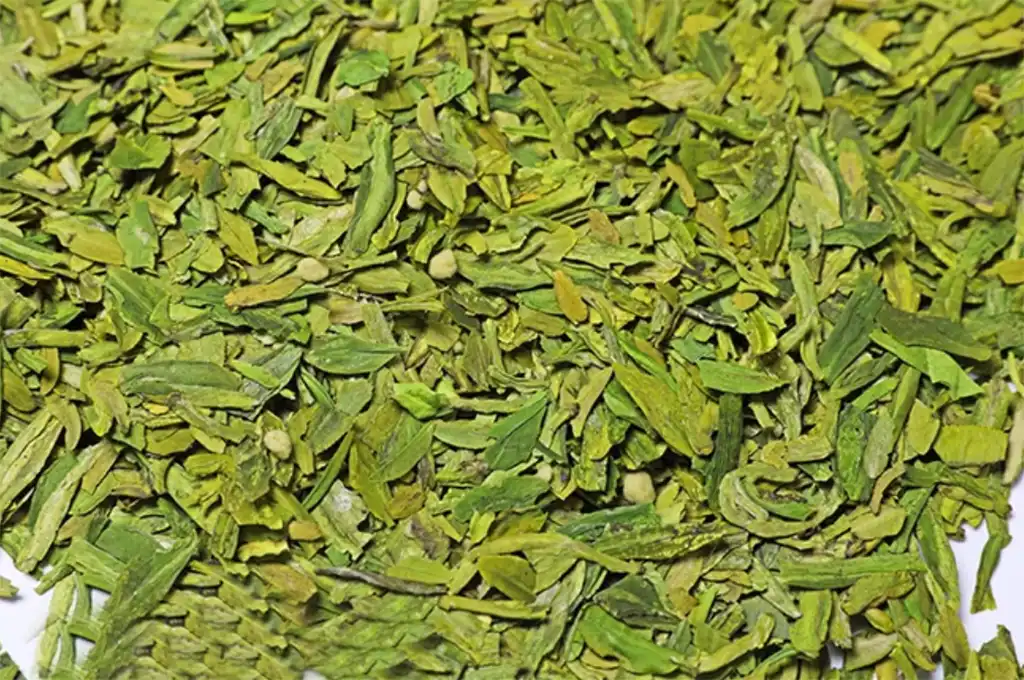
The catechin content in green tea varies depending on the tea tree cultivar, growing environment, processing method, and brewing technique. Generally, catechins make up about 10% to 30% of dry tea leaves. Processing and brewing methods also affect the amount of catechins extracted into a cup of green tea; powdered forms like green tea powder and matcha release catechins much more efficiently and in higher quantities than loose-leaf tea. Therefore, if you want to maximize your catechin intake, green tea powder and matcha are better choices.

Do all green teas contain catechins?

Which Commercially Available Green Tea Has the Highest Catechin Content?

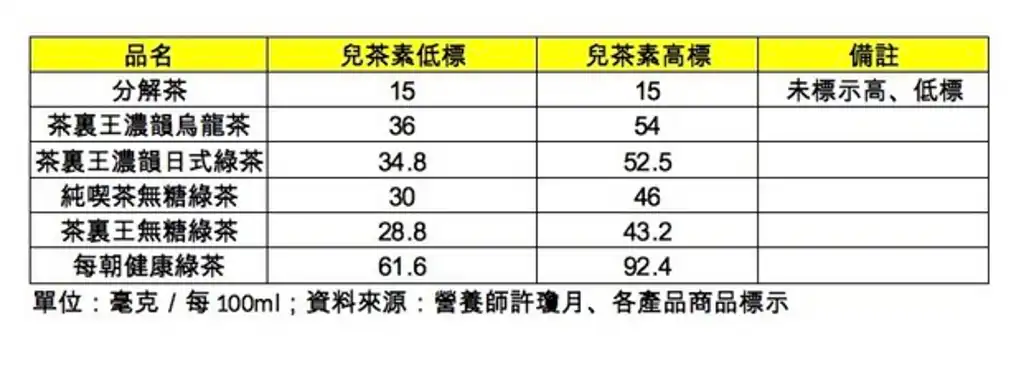
According to media reports, “Morning Health Green Tea” contains 61.6 to 92.4 mg per 100 ml. You can check the packaging for clear labeling before buying at convenience stores. The image above is compiled by ETtoday. Here is the media report: ettoday

Shopping Cart