
Catechins are the primary antioxidant component in tea leaves, offering wonderful health benefits such as antioxidant properties, anti-inflammatory effects, and metabolism support. Many people drink tea specifically to take in more catechins. So, that raises the question: which tea has the most catechins?
Which Tea Has the Most Catechins?
The catechin content in tea leaves is closely related to the production methods and the degree of oxidation. Generally speaking, the lower the degree of oxidation, the higher the catechin content. Here is a ranking of common teas in Taiwan, ordered from highest to lowest in catechin content:
-
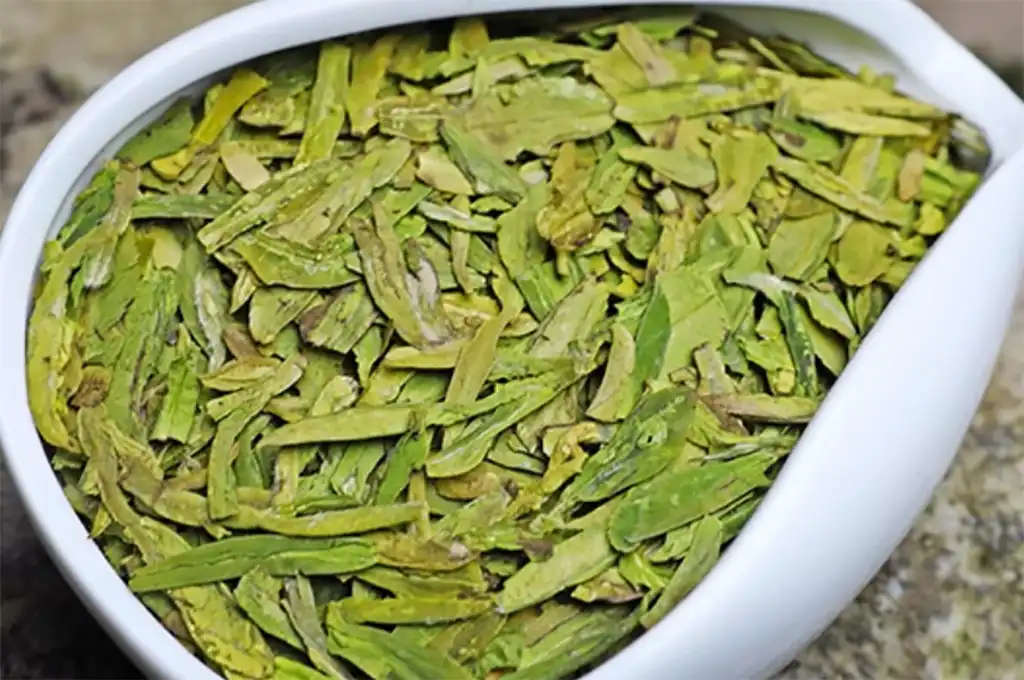
Green Tea: Green tea has the highest catechin content because it undergoes no oxidation (fermentation) during processing, allowing the catechins in the leaves to be fully preserved. Taiwan also produces green tea, such as Sanxia Biluochun, Longjing tea, and green tea powder produced in major tea-producing regions. Additionally, Japan’s Gyokuro green tea is also renowned for its high catechin content.
-
White Tea: White tea is also a tea with a very low degree of oxidation, roughly between 7% and 12%. After harvesting, it undergoes only light withering and oxidation before being dried directly, thus retaining a large amount of catechins. Among common teas in Taiwan, its catechin content is second only to green tea. Taiwan produces White Peony (Baitudan) white tea and Shoumei white tea, which feature a fresh, delicate aroma and an extremely smooth taste.
-
Wenshan Baozhong Tea: Baozhong tea belongs to the oolong tea category. It has the lowest degree of oxidation among oolongs, at about 10% to 15%, which is slightly higher than white tea. Compared to white tea and green tea, Wenshan Baozhong tea is produced in larger quantities in Taiwan and is easier to purchase at tea shops. Baozhong tea has a fresh, delicate aroma and offers a smooth, pleasant drinking experience.
-
High Mountain Oolong Tea: High mountain oolong tea mostly falls into the lightly oxidized tea category as well, with a fermentation degree of about 15% to 25%. Taiwan is the world’s best production area for high mountain tea, and the high mountain oolongs produced here possess a distinctive aroma alongside a rich catechin content.
-
Heavy-Fermented Oolong Tea: Examples include Red Oolong and Oriental Beauty tea. These teas have a fermentation degree of 50% to 80%. Because they undergo medium to heavy oxidation, their catechin content is relatively low.
-
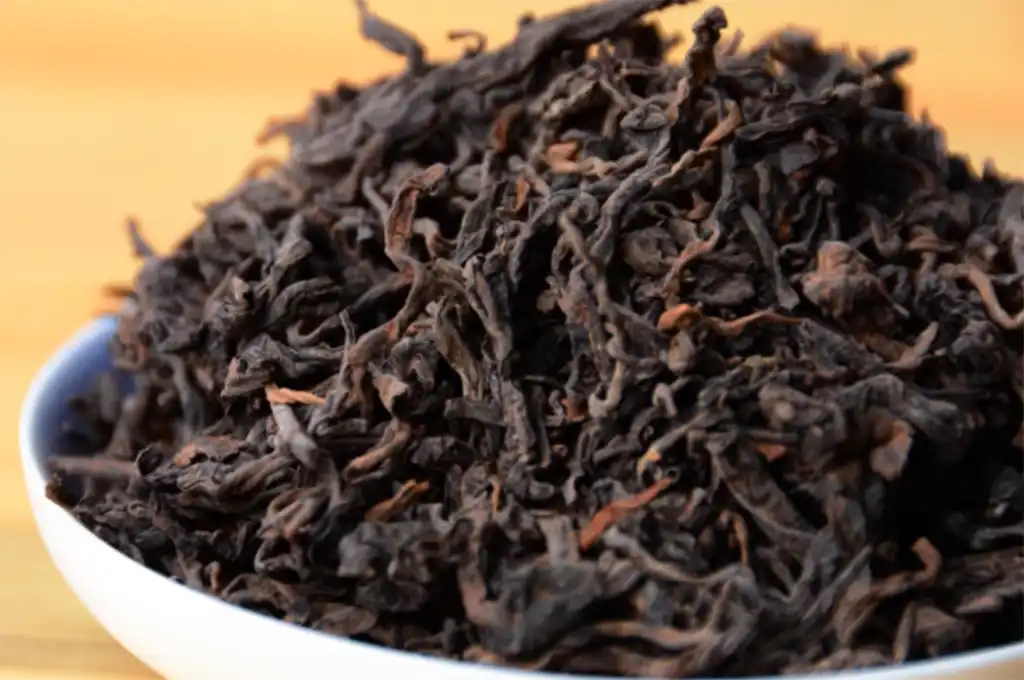
Fully Fermented Tea / Post-Fermented Tea: Such as black tea and dark tea (Pu-erh tea). Black tea is a fully fermented tea, while dark tea is a post-fermented tea. Having undergone heavy oxidation, these teas retain very few catechins in the leaves. If you are looking to intake more catechins, you should remove these teas from your shopping list.
Teas with the Most Catechins
Green tea is the tea with the highest catechin content. If you are pursuing the health benefits of high catechins, Longjing, Biluochun, green tea powder, and matcha powder will be your best choices. If you want to balance taste and health benefits, white tea, Baozhong tea, and high mountain oolong also provide a gentle supplement of catechins.