
PTT users are asking: Is this the first time you’ve heard that Qilai Mountain produces tea? Is Qilai Mountain tea delicious? Let’s introduce its flavor and characteristics!
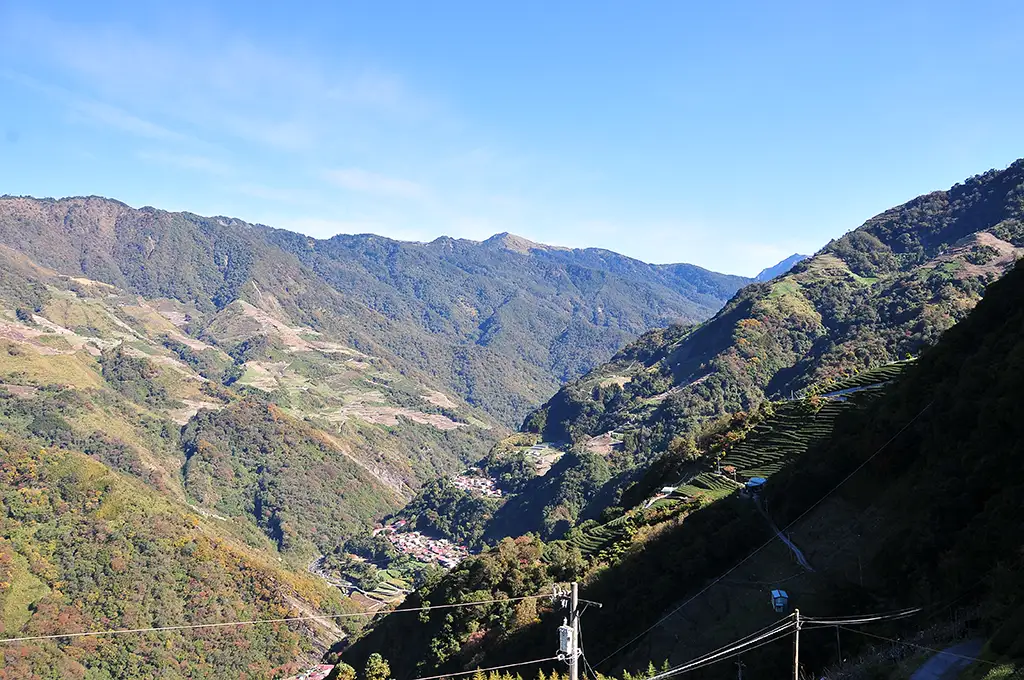
Table of Contents
Introduction to Qilai Mountain Tea
Qilai Mountain is considered an emerging high-mountain tea region. Due to its remote location and historically less-than-ideal growing conditions, its fame has long lagged behind regions like Lishan and Cuifeng. However, with continuous improvements in local water resources, irrigation, and tea-making factory equipment, I believe its quality is catching up to other high-mountain tea regions. Combined with the dedication of individual tea farmers, it has carved out its own unique identity.
To briefly introduce the Qilai Mountain tea region, there are mainly three areas. The first is located at the 96 km mark of Provincial Highway 14, past the Lushui Tribe—this is a relatively early-developed tea area. The second is situated above Duda Village, along Lujing Road starting from the Nangao Mountain trailhead. The third is located behind Jingguan Tribe, cultivated along the Cooperative Industry Road; this area was only recently developed in recent years.
Qilai Mountain Tea Flavor
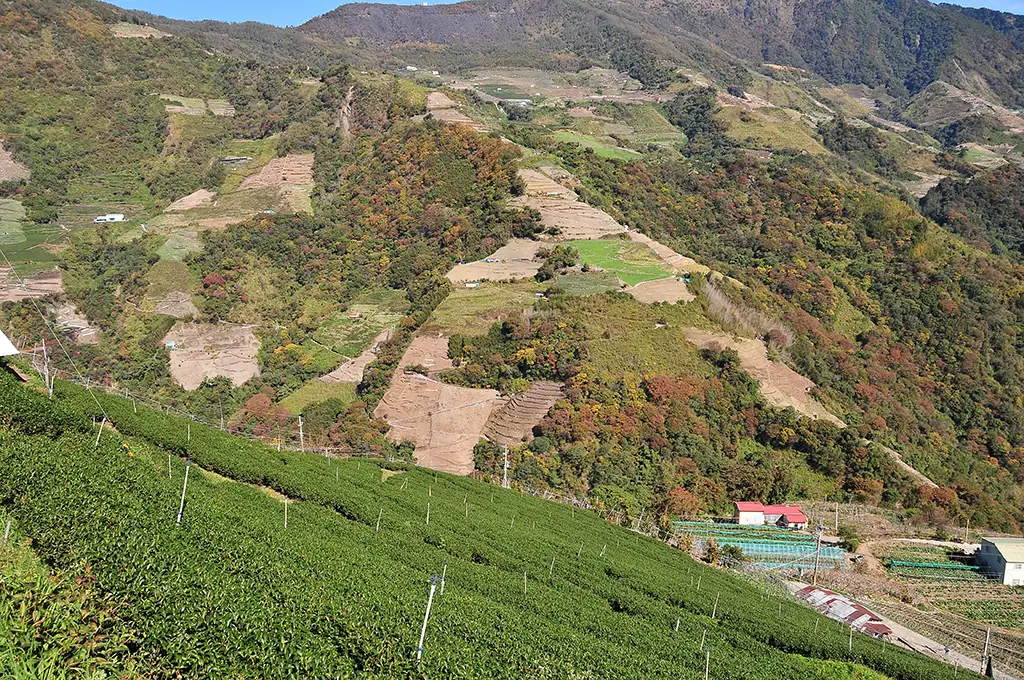
Mellow and sweet on the palate, smooth, resistant to multiple steepings, with an elegant aroma—this is how many tea merchants describe the flavor of Qilai Mountain tea. However, because the tea region is vast, there are still some poorly managed plantations. For instance, the tea industry has long noted that some teas carry a sulfur-like taste, especially those near hot springs. Another common remark is that some Qilai Mountain teas are “very aromatic but lack a lasting aftertaste.” Additionally, frost damage and a lack of irrigation water have historically caused significant quality fluctuations between seasons. Fortunately, most of these shortcomings stemmed from inadequate equipment and techniques, and quality has improved dramatically today. Qilai Mountain tea produced in well-positioned plantations with top-notch equipment genuinely delivers a sweet, mellow taste and elegant aroma that fully rivals Lishan-level teas.
Reasons Why You Shouldn't Miss Qilai Mountain Tea
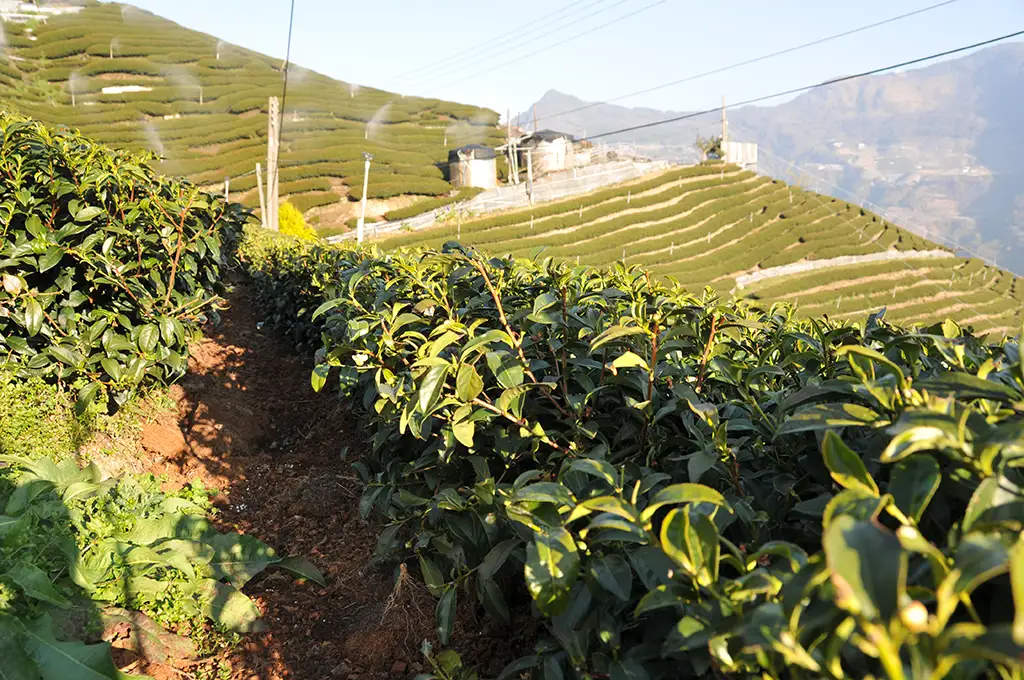
- Young tea trees in a new tea region: Compared to established high-mountain tea regions like Lishan and Alishan, most tea trees on Qilai are young, possessing greater vitality and nutrient absorption capacity. That’s why I’ve loved seeking out young-bush tea leaves specifically from Qilai Mountain in recent years.
- High-end tea-making facilities: Investment in Taiwan’s tea factory equipment has consistently broken records in recent years. Several tea factories on Qilai Mountain have spared no expense in upgrading their equipment, with a single small factory investing NT$30 to 40 million. No wonder Qilai Mountain tea quality has advanced by leaps and bounds lately.
- High-altitude, cold alpine environment: The Qilai Mountain tea region sits right next to Hehuanshan, and with peak elevations exceeding 2,060 meters, the weather is intensely cold. Frost damage used to be a frequent issue, but with improved cold-protection techniques for tea trees, the freezing weather and massive diurnal temperature shifts have instead become assets for producing great tea. Top-tier Qilai Mountain tea offers low bitterness, low astringency, and high sweetness, easily holding its own against Lishan tea.
Buy High-Quality Tea: Qilai Mountain Tea
Qilai Mountain Tea FAQ
Is Qilai Mountain tea good?
It really depends. Some lack proper irrigation and fertilization, making the tea quite poor in quality. Others feature automated irrigation systems and generous amounts of organic fertilizer, resulting in exceptionally delicious tea.
Which area of Qilai Mountain produces better quality tea?
Every year’s weather is different, so it’s hard to say which area is better. The store manager personally prefers selecting tea along the Lujing Road area—there are more tea factories, higher production volumes, and a wider selection. If you’re planning to drive there, please be careful as the mountain roads are extremely challenging with frequent landslides and falling rocks.
What kind of tea is produced in Qilai Mountain?
Mainly lightly fermented oolong teas, along with a small amount of black tea. We’ve also heard of tea farmers making white tea. Lower-altitude tea gardens sometimes produce Winter Sprout Oolong.
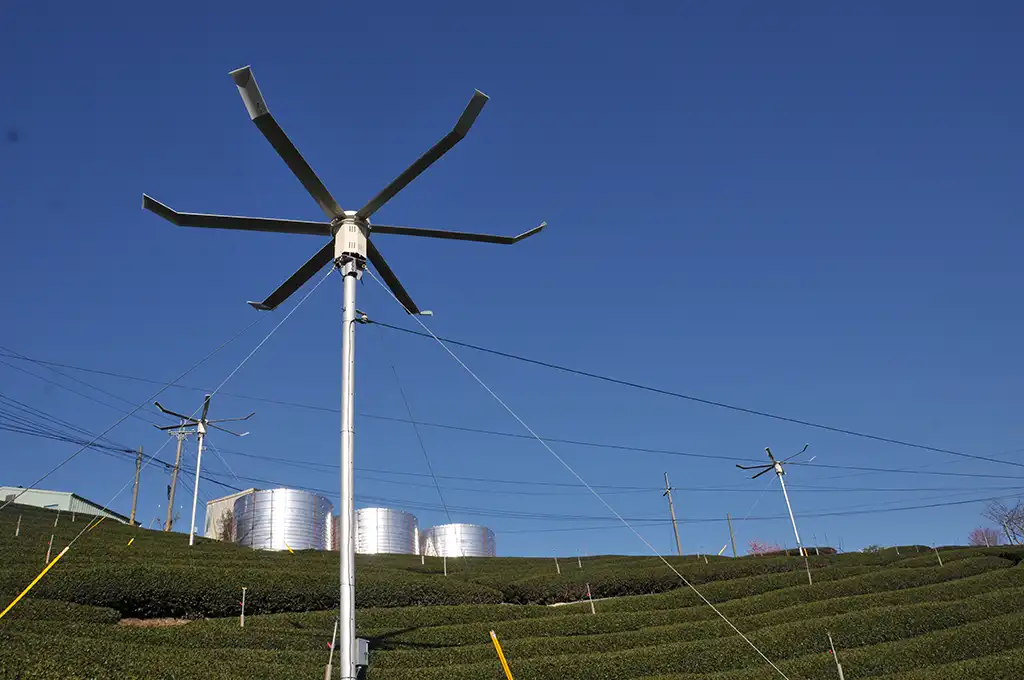
What is the purpose of the wind machines in the tea gardens?
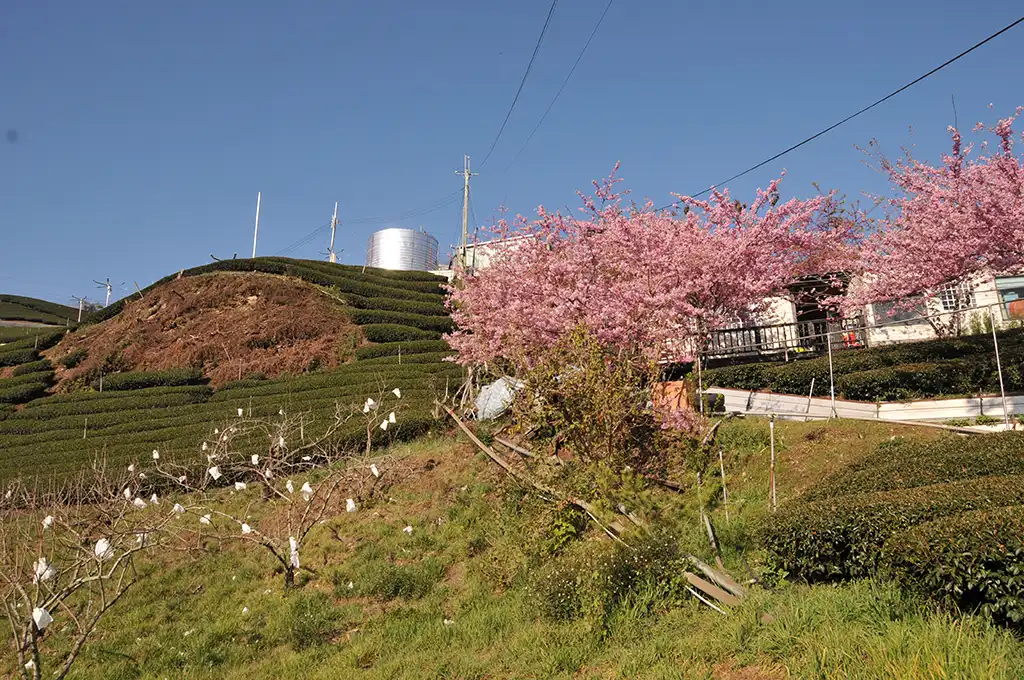
Spring in Qilai is very cold. If cold snaps hit in March or April, temperatures often drop below freezing, easily damaging the tender tea buds. The fans blow the air from 6 to 10 meters above down to the ground to break the radiation cooling effect, thereby preventing the tea leaves from freezing. Don’t underestimate these fans—they cost NT$200,000 each!
There's no tea grown in Qilai Mountain? The tea merchant is lying!
There really is. You’re probably thinking of Qilai North Peak in Hehuanshan, where indeed there is no tea. I’m referring to Qilai South Peak. The tea gardens are right at the Tunyuan Nenggao trailhead; look to the other side from the trailhead and you’ll see vast tea plantations. It has also been covered in the news—take a look here.