
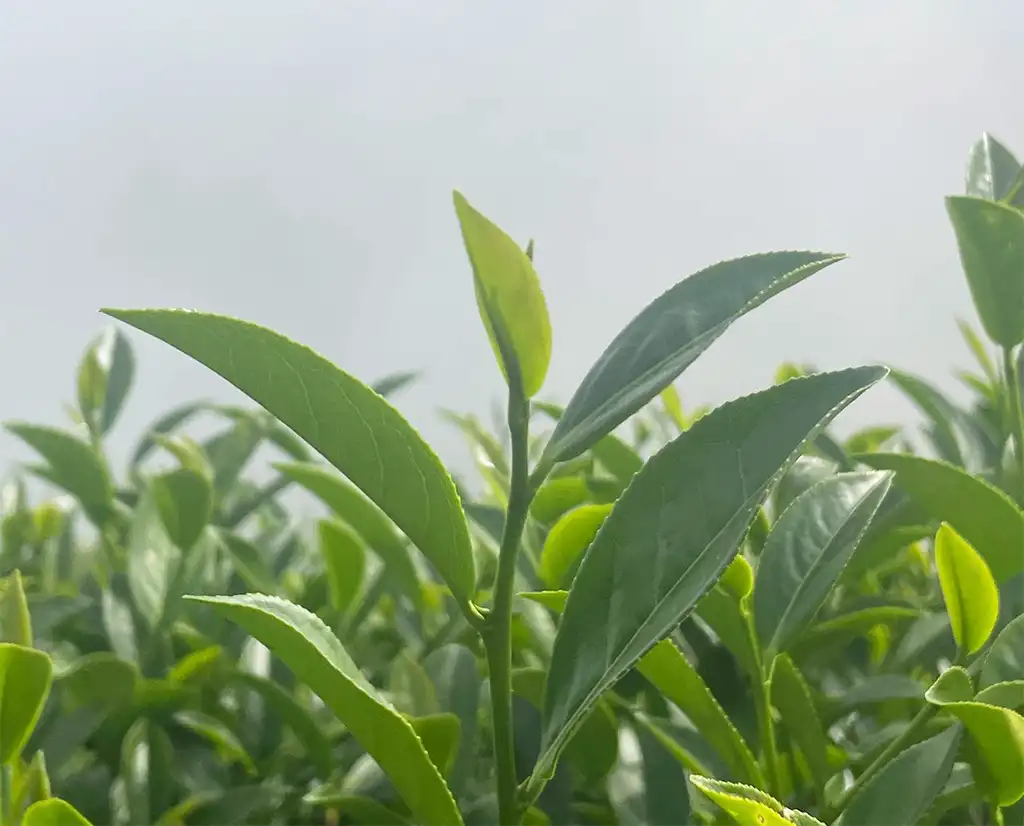
Tai-Cha No. 20 Yingxiang Tea, a new tea tree variety developed by the Tea Research and Extension Station in Taiwan, was officially named in 2004. It is a small-leaf, mid-season variety. Young buds are bright green with a slight purple tinge before turning vibrant green, and mature leaves are narrow and elongated. It has low resistance to pests and diseases, medium-to-good drought tolerance, and medium-to-high yields.
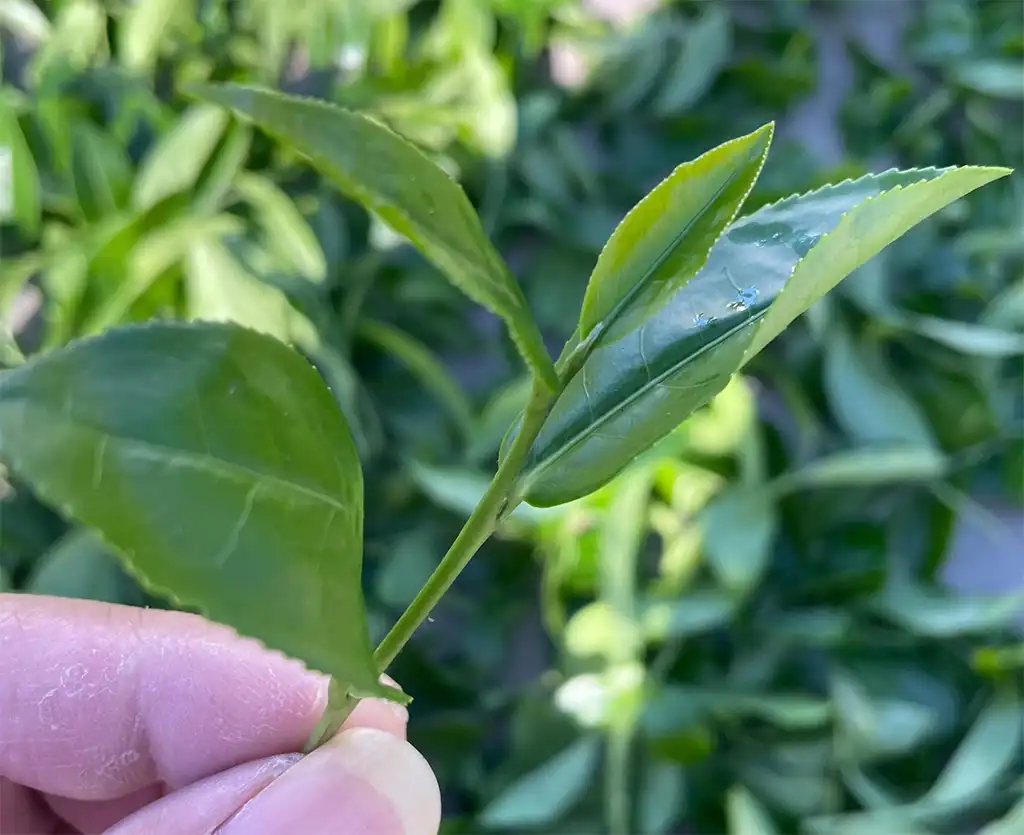
Table of Contents
Introduction to Tai-Cha No. 20 Yingxiang Tea
The biggest characteristic of Yingxiang Tea is its wonderful lingering aroma finish. While its texture and delicacy may not quite match Qingxin Oolong, its yield and disease resistance are much better. Even better, the aroma of Tai-Cha No. 20 Yingxiang carries a distinct “high-mountain note”—that characteristic fragrance usually only found in tea trees grown at high altitudes. Yingxiang produces this aroma even when grown at mid-to-low altitudes, making it immensely popular and driving a trend in recent years where it replaces struggling Qingxin Oolong and JinXuan in lower altitude tea regions.
The Little Secret of Yingxiang Oolong
Yingxiang has a hidden secret in the tea industry: it often plays the role of a “blending tea component.” Adding just a bit when an oolong lacks aroma does wonders for quality. Add a bit more, and it tastes even closer to high-mountain tea, which is why some folks use mid-to-low altitude Qingxin Oolong blended with Yingxiang to sell as high-mountain tea. Our store manager calls Yingxiang the Taiwanese tea world’s “ultimate utility player” (just to emphasize, Liao Chang Xing does not make blended teas).
Yingxiang Tea Pricing and Origin
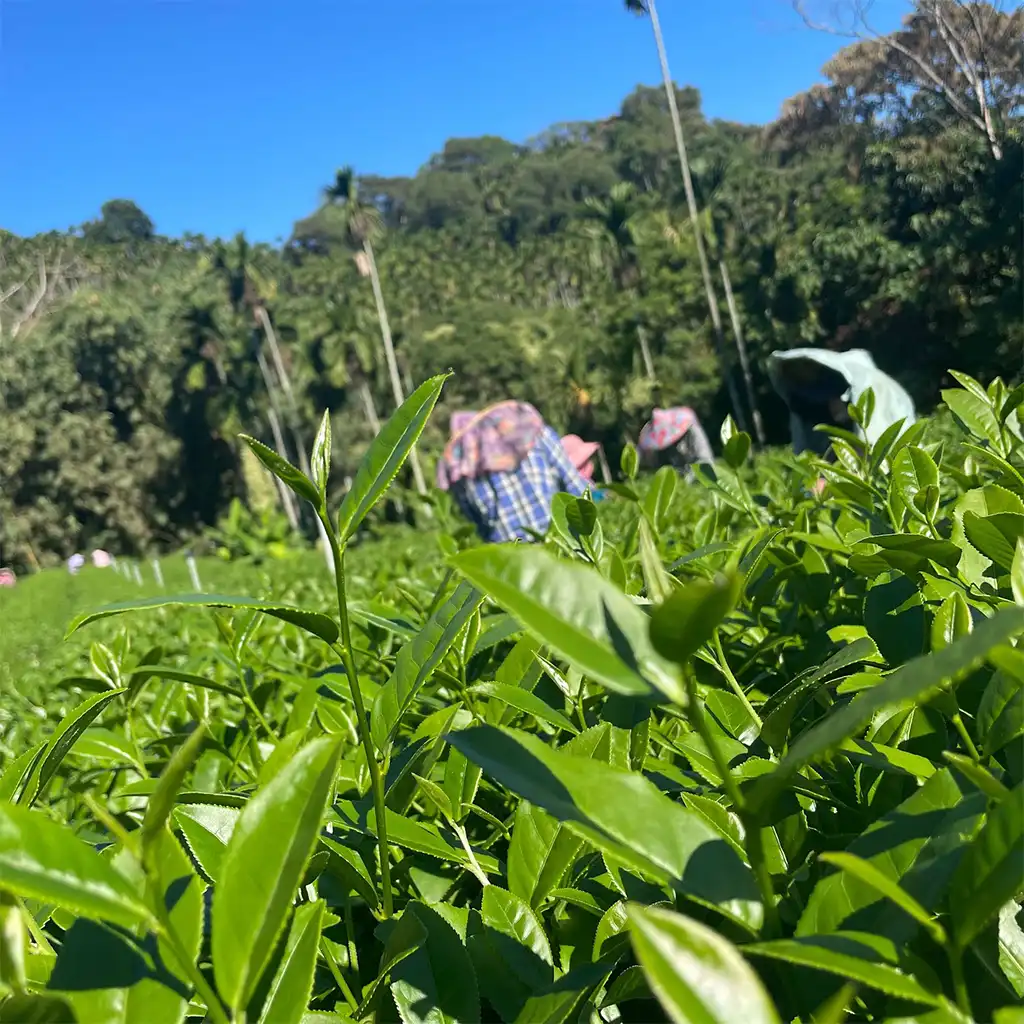
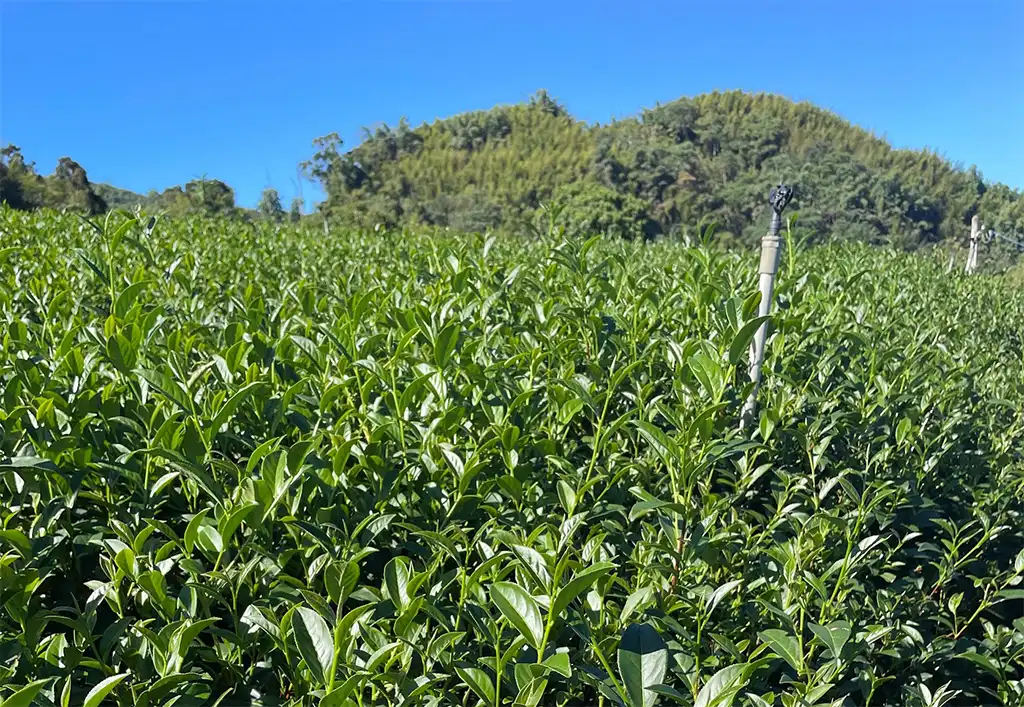
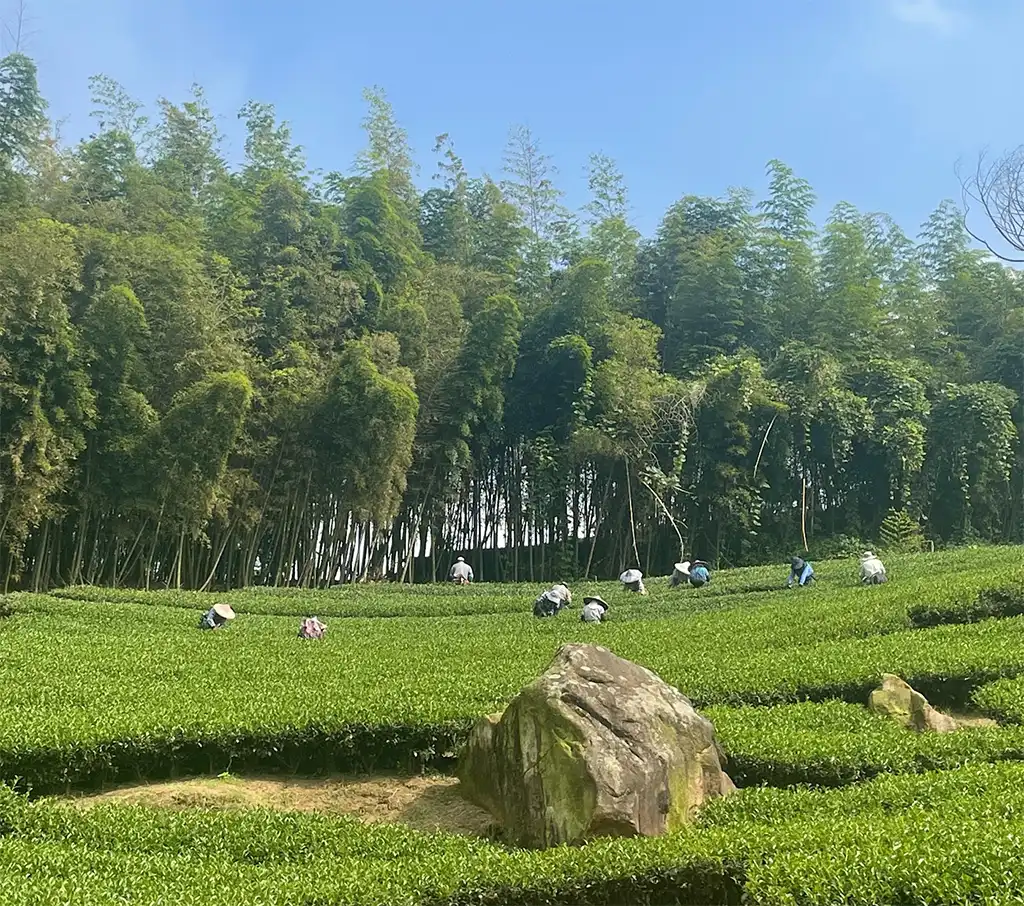
Popular not just as a blending tea, Yingxiang has also been in very high demand over the past couple of years as a single-origin tea. So despite being a newer variety, its price is quite impressive—only slightly lower than Qingxin Oolong, but much better than JinXuan and CuiYu. The primary production area is Zhushan Township in Nantou County, though quite a few people also grow it in the Alishan tea region. It is mainly cultivated in tea gardens below 800 meters. However, in recent years, “high-mountain versions have been popping up,” with some grown as high as nearly 2,000 meters. High-mountain Yingxiang tea has an “intensely punchy aroma,” though it doesn’t come cheap.
Yingxiang tea commands a pretty solid price. Harvests from below 600 meters in Zhushan can fetch prices close to Qingxin Oolong, and some reputable tea factories even sell it at high-mountain tea rates. Prices range from NT$800 to NT$2,000 depending on altitude and season (the aforementioned high-mountain Yingxiang retails for NT$3,000). Here are the price ranges for Yingxiang teas sold by Liao Chang Xing over the past few years:
| Origin & Season | Price | ||
| Mid-to-Low Altitude | NT$1,600 per 600 g | ||
| Altitude 1,000m+ | NT$2,000 per 600 g | ||
| Ershui Yingxiang | NT$800 per 600 g | ||
Yingxiang Tea FAQ
Why is Yingxiang tea called TTES No. 20?
Its experimental breeding number was 20, hence TTES No. 20. As a side note, JinXuan is No. 12, CuiYu is No. 13, and Ruby is No. 18. For details, check the Agriculture Knowledge Portal.
How would you describe the taste and aroma of Yingxiang tea?
In the store manager’s view, the aroma sits somewhere between Oolong and Sijichun, while the mouthfeel falls between Sijichun and Qingxin Oolong.
Is high-altitude Yingxiang really that much more impressive?
It is indeed slightly better, but the manager feels the difference isn’t huge. Mid-to-low altitude Yingxiang already has a fantastic varietal aroma and offers great value for money. High-mountain Yingxiang kind of loses that value advantage.
Besides Yingxiang Oolong tea, is there Yingxiang Black Tea or Green Tea?
We’ve heard of Yingxiang Red Oolong and Black Tea, and the Red Oolong is quite good. We haven’t come across any green tea version, though.