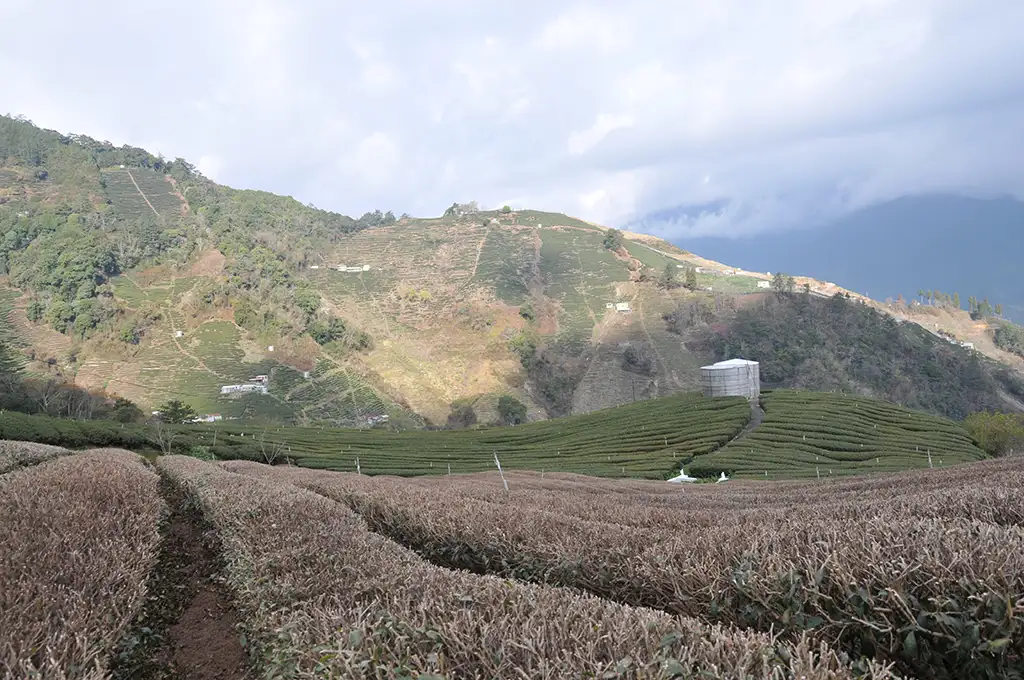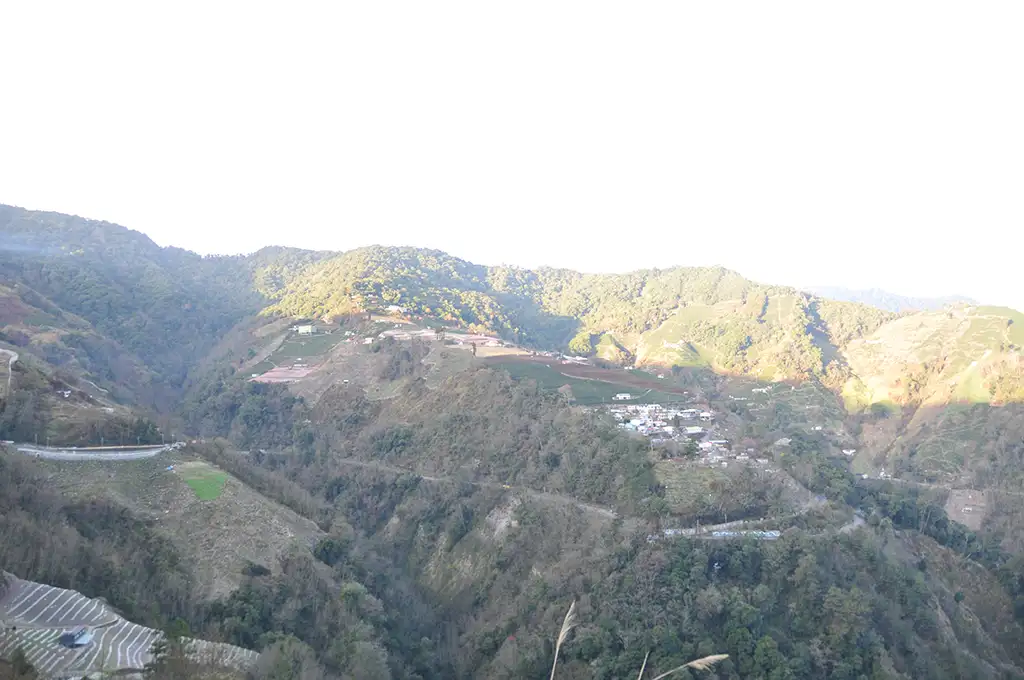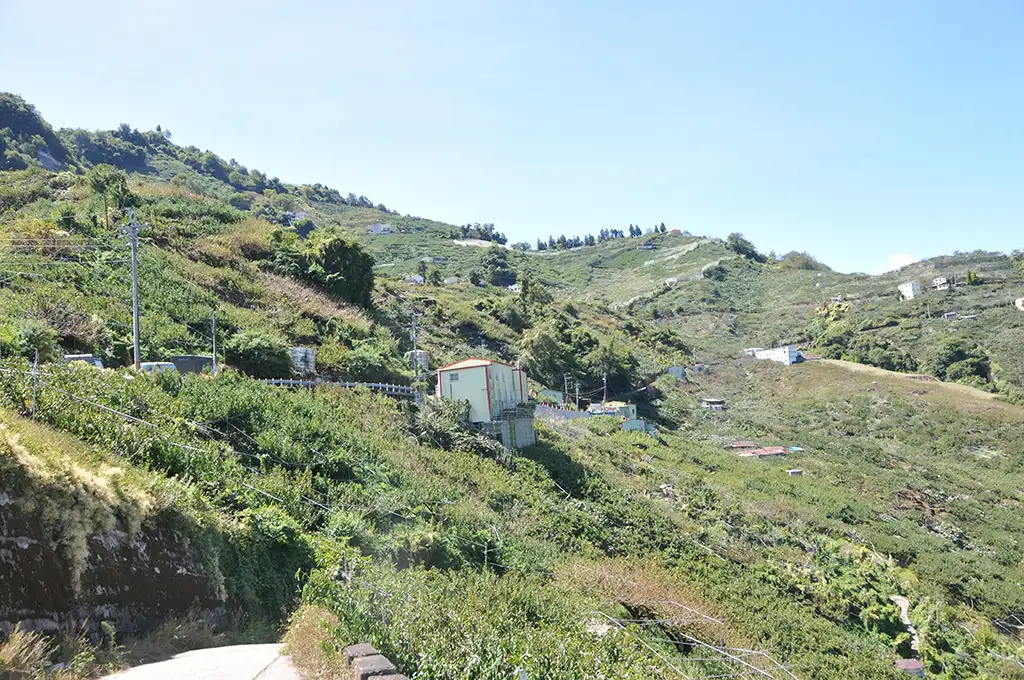
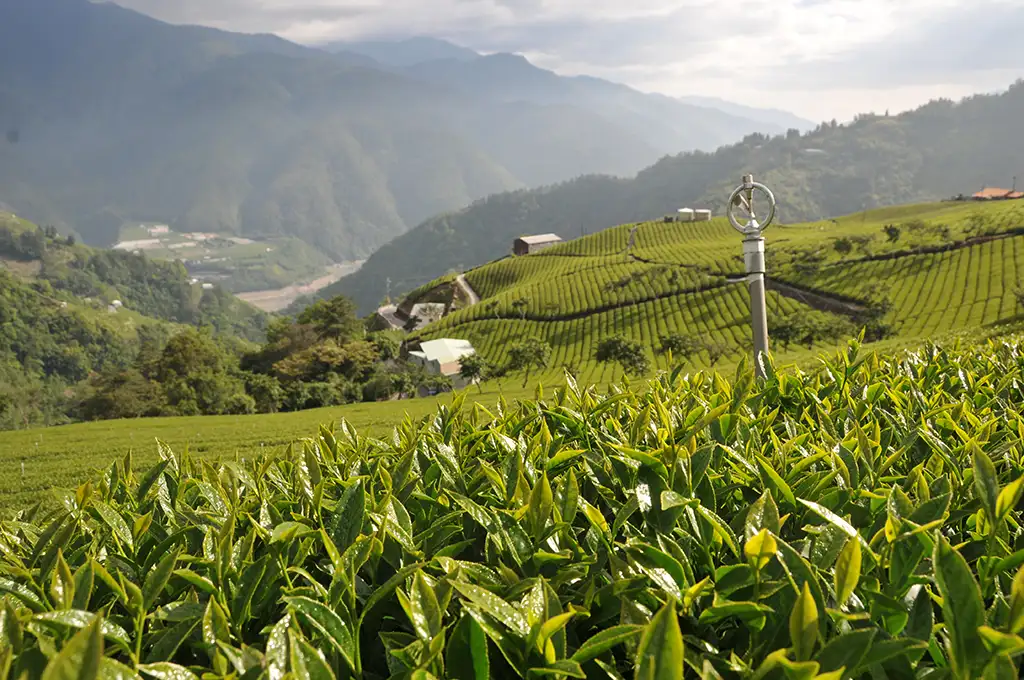
Xinjiayang Tea is located in Lishan Village, Heping District, Taichung City, and is one of the most important tea-producing regions in the Lishan area. Centered around the Xinjiayang settlement, the tea plantations span across four mountain ridges and generally face east. Thanks to its unique geographical conditions and abundant sunlight, Xinjiayang tea ranks at the top in both quality and yield. It mainly focuses on lightly fermented oolong tea, with a small portion dedicated to black tea and heavily fermented oolong tea.
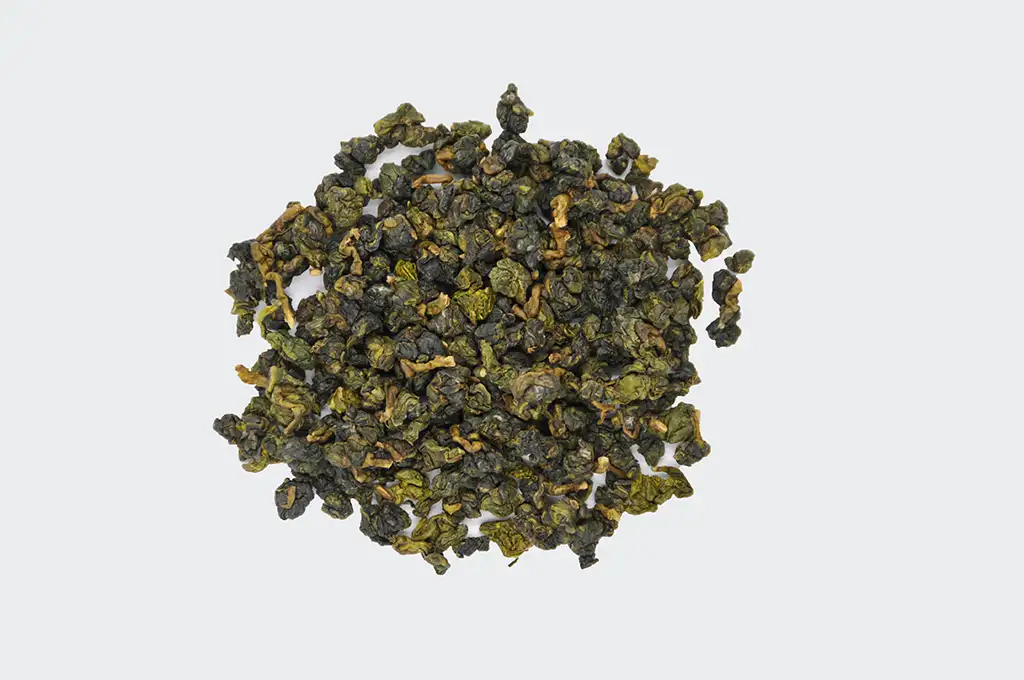
Lishan's Premier Tea Origin
Xinjiayang tea plantations are located between the 68 km mark (Deji Police Station) and the 76 km mark (Xinjiayang Settlement / Lingfu Bridge) of the Central Cross-Island Highway. Many people mistakenly believe that the main production area of Lishan tea is concentrated around Songmao and Fushoushan Farm, but in reality, Xinjiayang is the largest tea-producing area in Lishan. Because there are fewer local tea factories, freshly harvested tea leaves are often transported to the Songmao settlement and areas around Fushoushan Farm for processing, which has led to this misconception. As a result, many products marketed in the market as “farm-edge tea” and “HuaGung tea” actually originate from Xinjiayang.
Read More: Introduction to HuaGung Tea Region
Xinjiayang Tea Prices
As mentioned earlier, Xinjiayang tea is often used as a “substitute” and frequently mislabeled as HuaGung tea or Fushou Lishan tea, with prices reaching NT$4,000 to NT$5,000 per 600 g. Generally speaking, the price for Xinjiayang spring and winter tea ranges between NT$2,500 and NT$3,600 per 600 g, while summer and autumn tea range from NT$1,400 to NT$2,000 per 600 g. Tea plantations at higher elevations naturally command higher prices.
Liao Chang Xing Reviews
Rated as “exceptional.” This is a remarkably outstanding high mountain tea region. The tea plantations face east and northeast with ample sunlight, and combined with generally good farm management, the rate of producing great tea is extremely high. For tea merchants, the biggest advantage here is the abundant yield, allowing for careful selection of top-tier tea leaves through multiple screenings. Of course, a few plantations with poor management or less-than-ideal locations (such as those close to water sources or vegetable farms) may yield teas that fall short of expectations. Additionally, due to the high recognition of Xinjiayang tea, its cost-performance ratio is relatively on the lower side.
Xinjiayang tea leads Lishan tea in both quality and quantity, making it an ideal choice for those pursuing high-quality tea.