Xiuning Songluo Tea, produced in Xiuning County, Huangshan City, belongs to the green tea category and is a renowned historical tea of China. Established in the Ming Dynasty, Songluo Tea is famous for its rigorous production methods and high aroma with a rich flavor, and its quality is loved by all walks of life.
Origin and History of Xiuning Songluo Tea
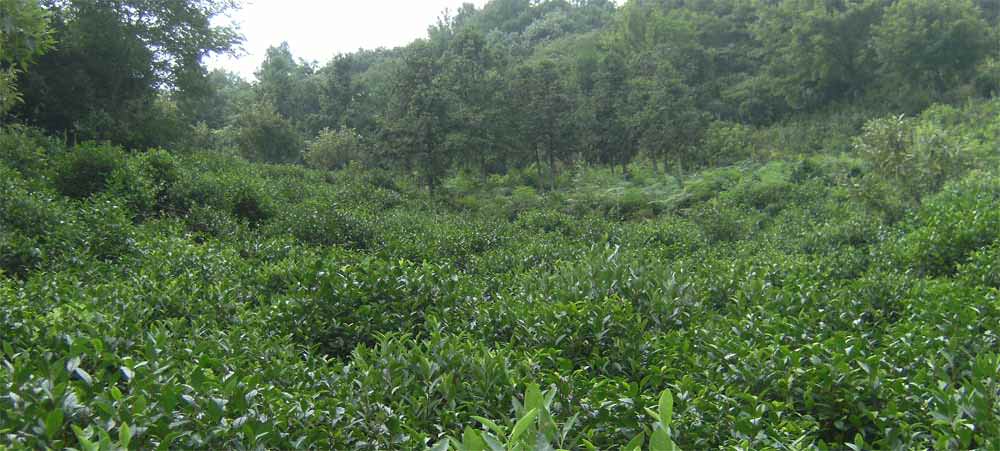
Mount Songluo is located about 15 kilometers north of Xiuning city, adjacent to Mount Langyuan, Mount Tianbao, and Mount Jinfo. The local tea region has an altitude of 600 to 700 meters, featuring intertwining pine and loquat trees and beautiful scenery. “Songluo Snow” is a famous local scenery. Produced in this environment, the quality of Songluo Tea is exceptional.
Established since the Ming Dynasty, Yuan Hongdao once remarked, “Recently someone sent Songluo Tea from Huizhou; its taste is above Longjing and below Tianchi.” Mao Xiang of the Qing Dynasty wrote in the Jie Tea Compendium: “The only tea that can rival Luojie is Songluo.” Both statements demonstrate that the quality of Songluo Tea has been beloved since ancient times.
Production Method
Songluo Tea had already reached a mature stage four hundred years ago. Harvesting and processing in the Ming Dynasty required: “When the tea is freshly picked, twigs, stems, and old leaves must be sorted out, keeping only tender leaves. Furthermore, the tips and stems must be removed for fear they burn easily—this is the Songluo method. During pan-firing, someone must fan from the side to expel the heat, otherwise the color, aroma, and flavor will all diminish.” This shows the complexity of the production method, which has remained largely unchanged to this day.

Songluo Tea harvested before Guyu is the best, picking one bud and two leaves, without using old leaves or stems. During pan-firing, one must fan from the side to avoid overheating, which would reduce the color and aroma. After pan-firing, it needs to be heavily hand-rolled, followed by slow roasting over low heat.
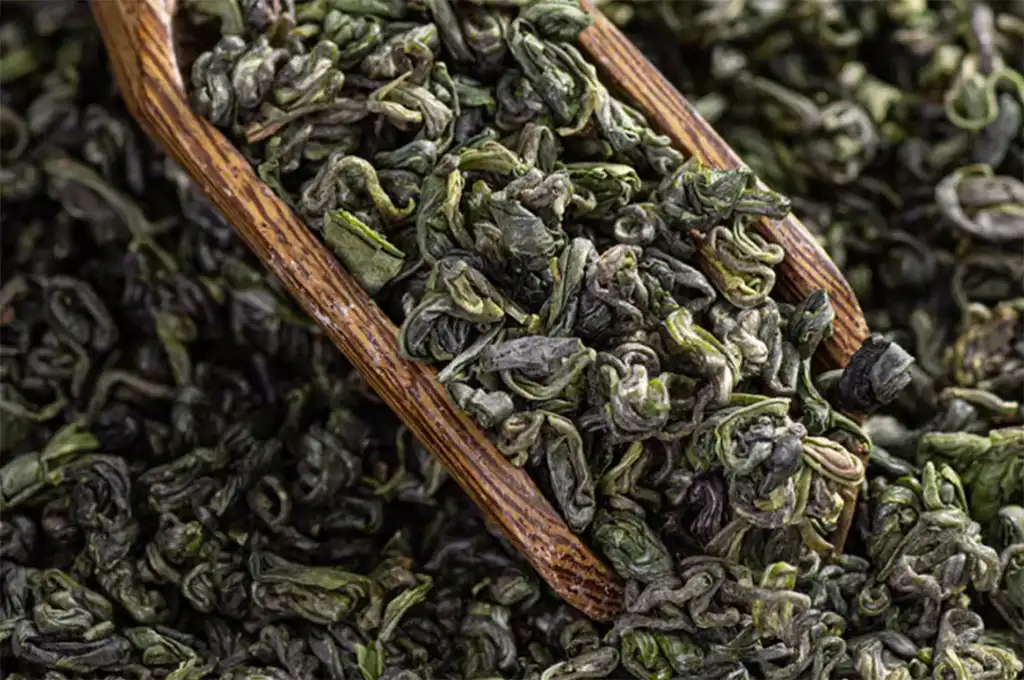
The best Songluo Tea should be characterized by a tender green color with no old leaves or tea stems, tight and solid strips, and a vibrant green color. When drunk, it offers a high, refreshing aroma and a rich taste with a hint of olive flavor.
Brewing Method
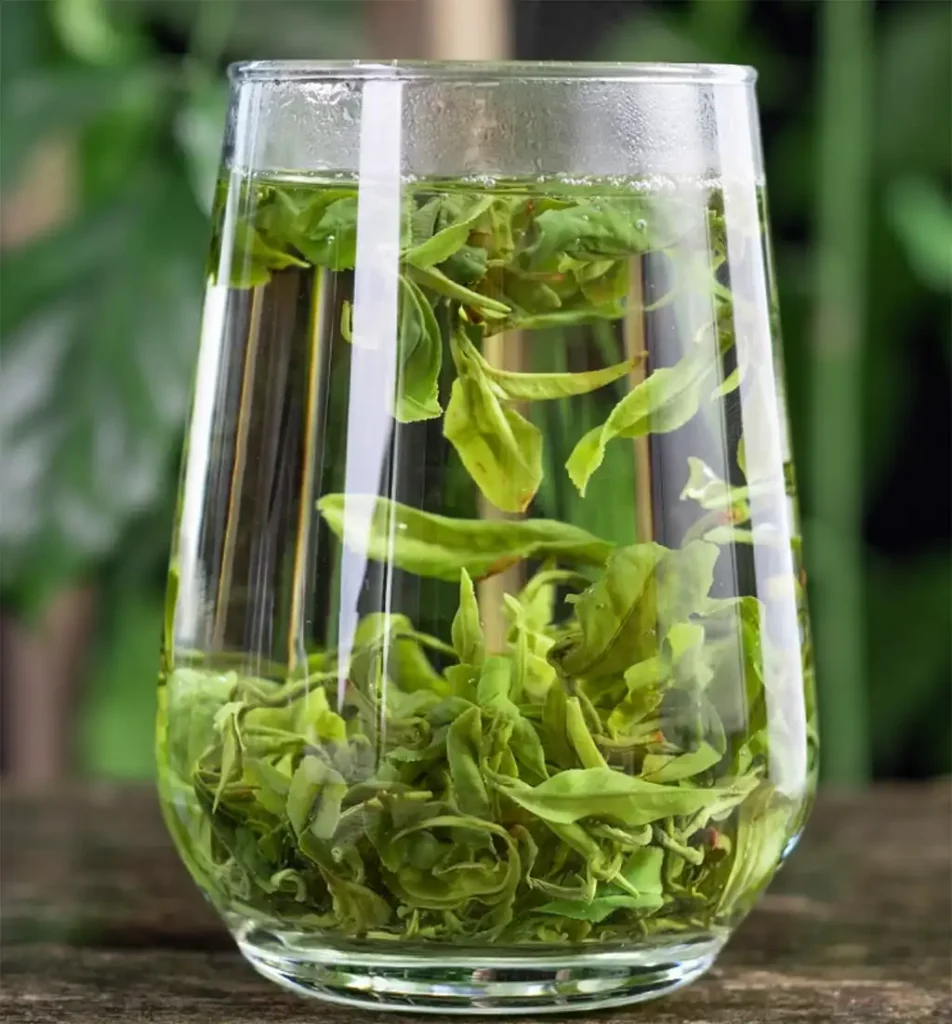
Use spring water or mineral water. Avoid simmering; bring the water to a rapid, rolling boil. Boiling too long causes the water to lose its flavor. Let it cool for 2 minutes after boiling until the temperature drops to 85°C to 85°C before brewing. Steep for 1 minute and it is ready to drink. It can be steeped about 3 to 4 times.