
Yunnan Tight Tea (Jin Cha), produced in the Menghai area of Xishuangbanna, Yunnan, is a post-fermented dark tea. Tight tea shares a similar origin with tuocha, having evolved from ball-shaped teas. Originally used by the Tibetan people as a daily ingredient for boiling butter tea, it was an essential staple of Tibetan life. Due to its unique flavor, it is now enjoyed far beyond Tibetan and other ethnic minority communities.
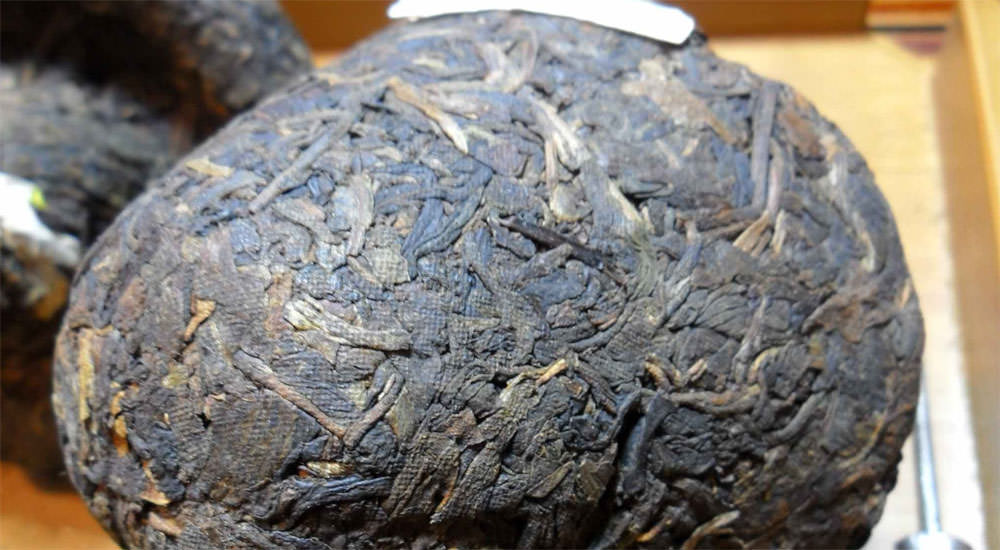
Yunnan tight tea is often shaped like a ball or a heart, and is also commonly pressed into bricks. It is characterized by its dark, lustrous appearance, bright orange-red liquor, pure aroma, rich taste, and high tolerance for boiling. In the past, tight tea was an absolute necessity for Tibetans to brew butter tea. As the saying goes, “They consume mainly meat and rely on tea for survival,” which speaks volumes about its importance. Initially produced as ball teas, they were prone to mold during transport, so the shape was later changed to a heart, and brick shapes also became common.
Today, tight tea is mostly made from Yunnan large-leaf tea varieties, which are steamed and pressed into brick or ball shapes. The main producing regions include Xiaguan, Kunming, Jinggu, Menghai, and Yanjin in Yunnan. The production process involves screening and chopping loose tea leaves, blending, steaming, pressing, and finally drying to complete the production
.
How to Brew Yunnan Tight Tea
Originally used by Tibetans as an ingredient for cooking butter tea, it was mainly boiled with milk. Now embraced by modern tea lovers, it can be brewed directly. The drinking method is similar to Pu-erh tea: pry off a portion with a tea knife and steep it in hot water.