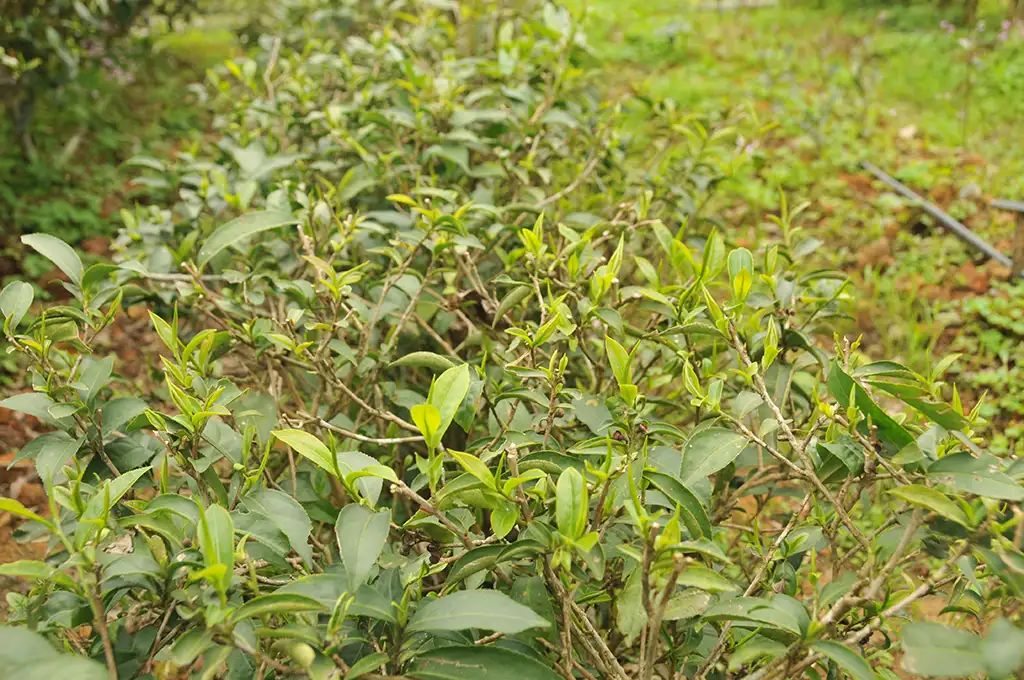
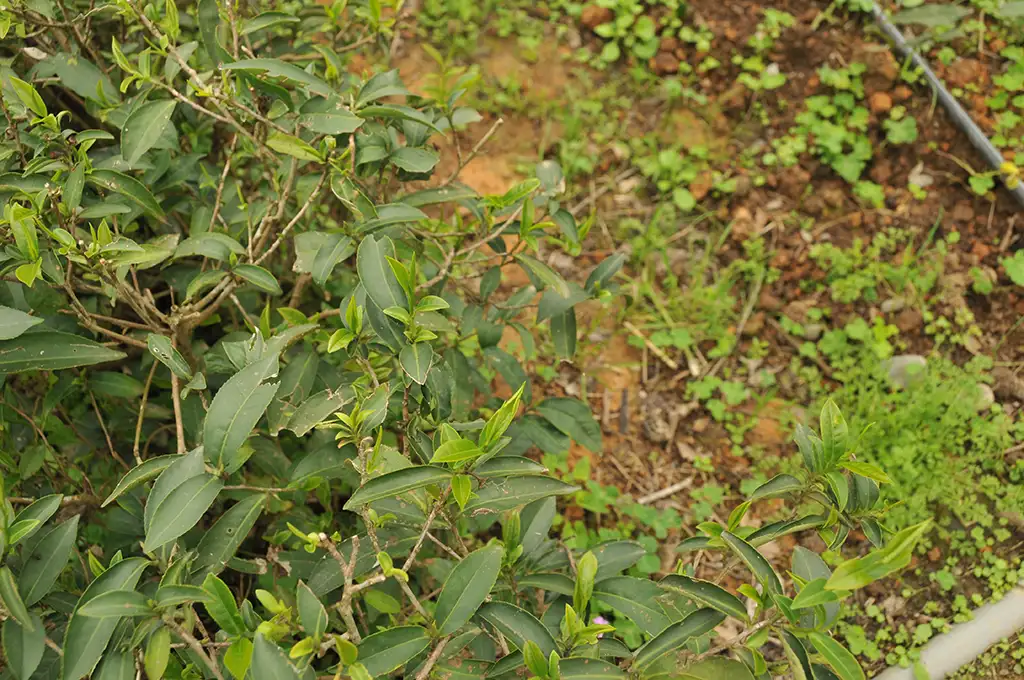
Tea Cultivar: Tainung No. 8

To be clear, this refers to the tea tree cultivar, not corn, orchids, or peaches (which also have “Tainung No. 8” varieties). Also, Tainung No. 8 is not the same as “TTES No. 8″—make sure not to confuse the two!

Tainung No. 8 Tea Cultivar

This cultivar was developed during the Japanese colonial era at the Heichin Tea Breeding Substation, originating from seedling selection efforts that began in 1919. In 1931, it was selected from open-pollinated Qingxin Oolong seedlings—in simple terms, it is a line propagated from Qingxin Oolong seeds.

Characteristics (Source: Tea Research and Extension Station): Strong growth vigor, large plant size with dense branches, deep dark green leaves, slightly thick leaf structure, medium leaf size, medium anthocyanin content, average number of flowers, relatively large flower size, low fruit set, and medium seed size. It exhibits mid-season budding with high yield compared to similar cultivars during the same period, making it a high-yielding variety in both spring and summer. It produces excellent quality Baozhong tea and average quality Oolong tea.

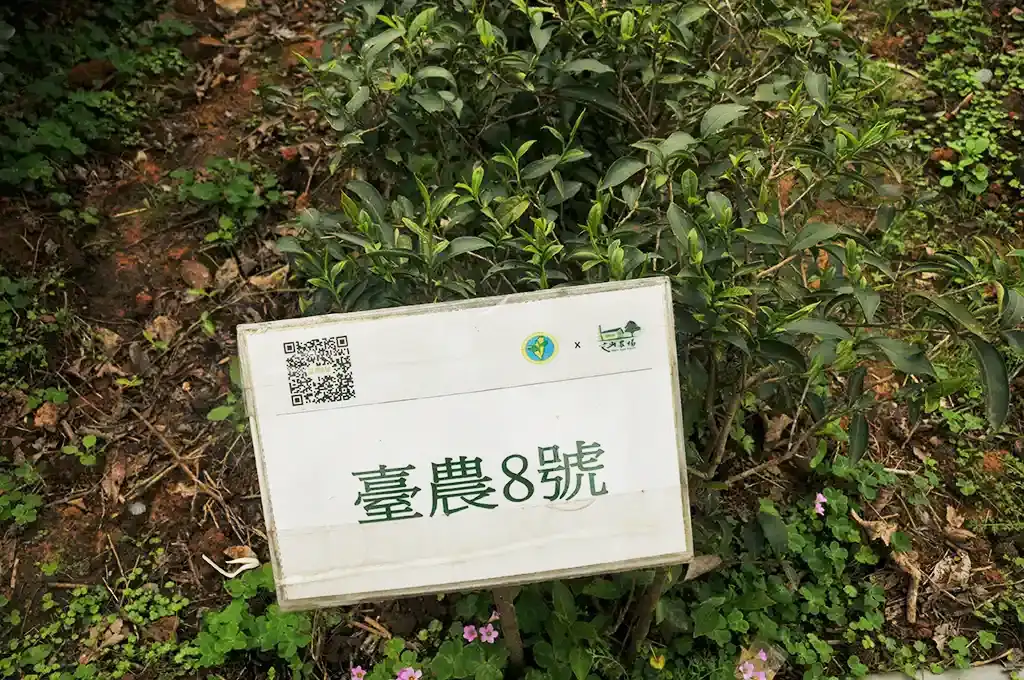
Because Tainung No. 8 was never officially promoted, it isn’t widely known today. However, it plays a vital role in the history of Taiwanese tea. It served as the maternal parent for TTES No. 12 (JinXuan)—making it the mother of JinXuan tea. Furthermore, TTES No. 19 (Biyu) and TTES No. 22 (Qinyu) were bred using TTES No. 12 as their maternal parent, making Tainung No. 8 the grandmother of TTES No. 19 and No. 22. So, while Tainung No. 8 never became a major commercial cultivar, it remains a crucial breeding variety with an immense impact on Taiwanese tea development.

Shopping Cart