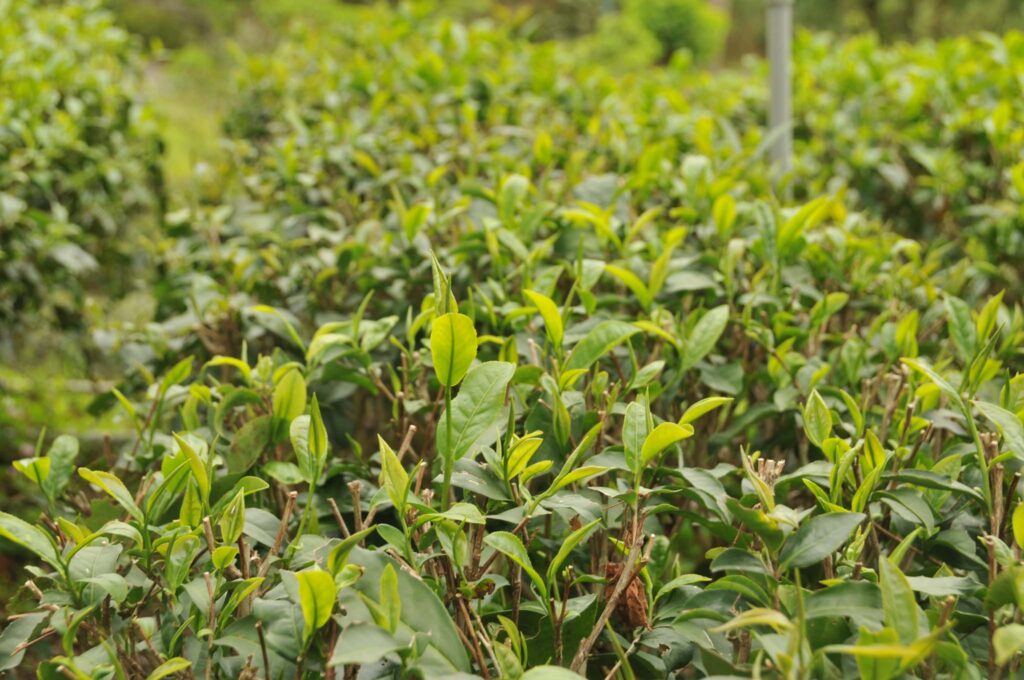
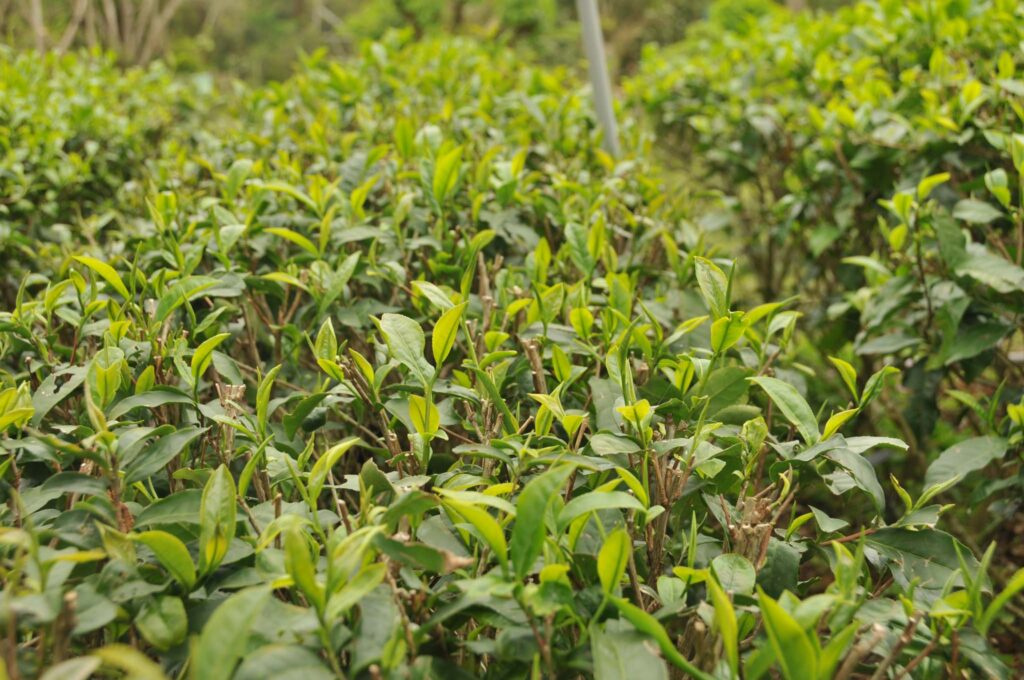
Tea Cultivar: TTES No. 6

TTES No. 6 is a tea cultivar developed by Taiwan’s Tea Research and Extension Station and officially named in 1974. Selected from open-pollinated offspring of the Qingxin Oolong maternal line, it is an early-budding cultivar particularly suitable for green tea production.

Tea Cultivar: TTES No. 6

TTES No. 6 was selected from a natural hybrid of Qingxin Oolong, the dominant tea cultivar in Taiwan today, but its characteristics differ significantly from Qingxin Oolong. It is a vigorous early-budding variety that can be harvested a month earlier than both Qingxin Oolong and Qingxin Damou, making it well-suited for green tea production.

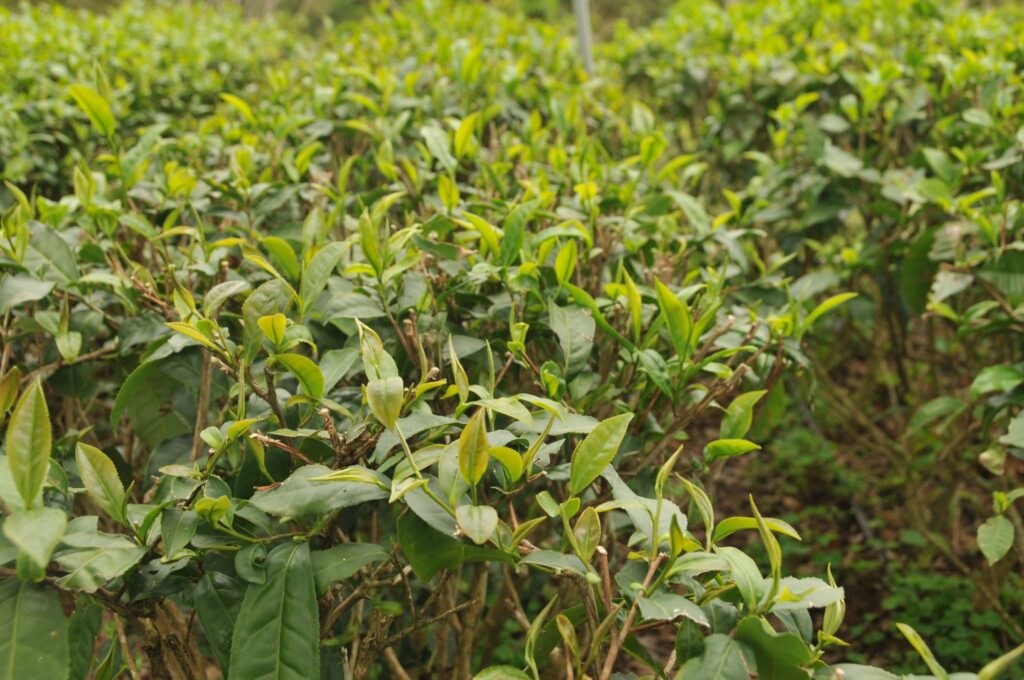
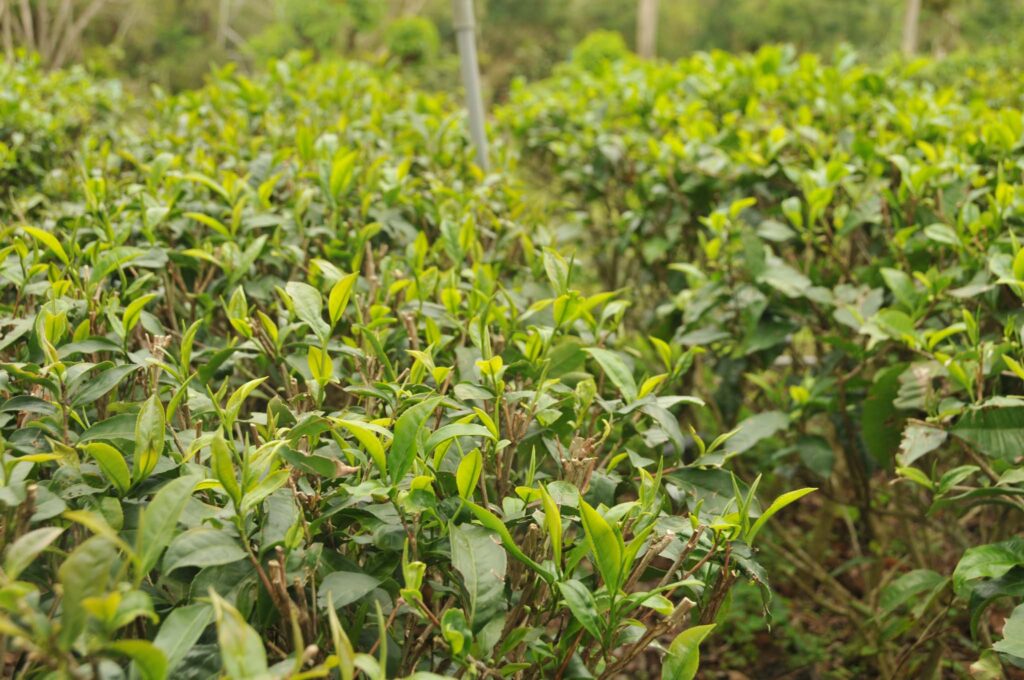
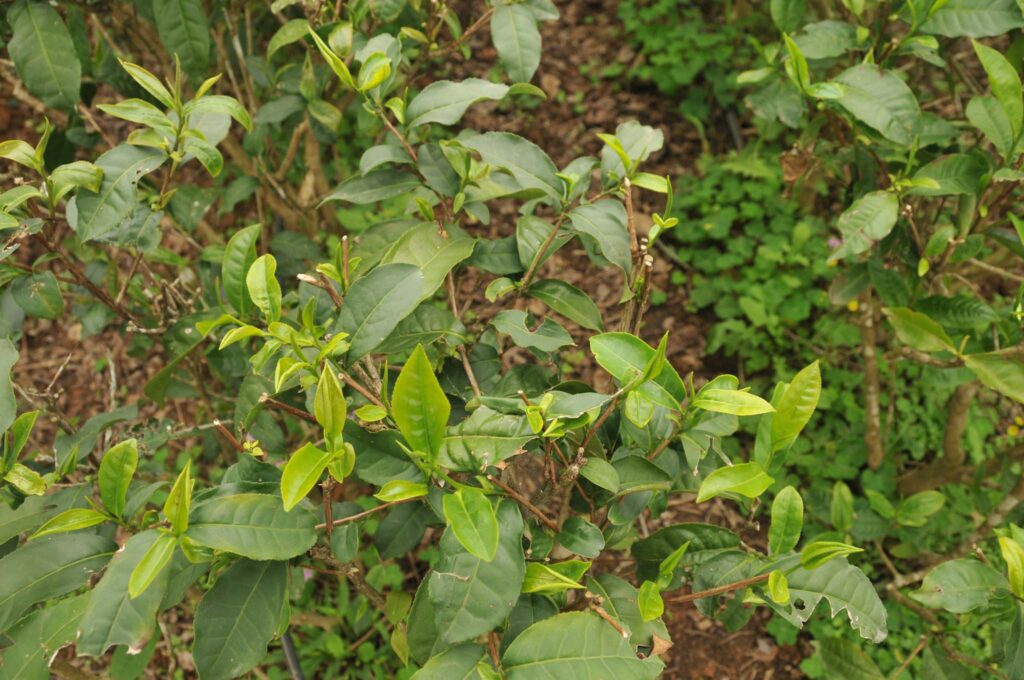
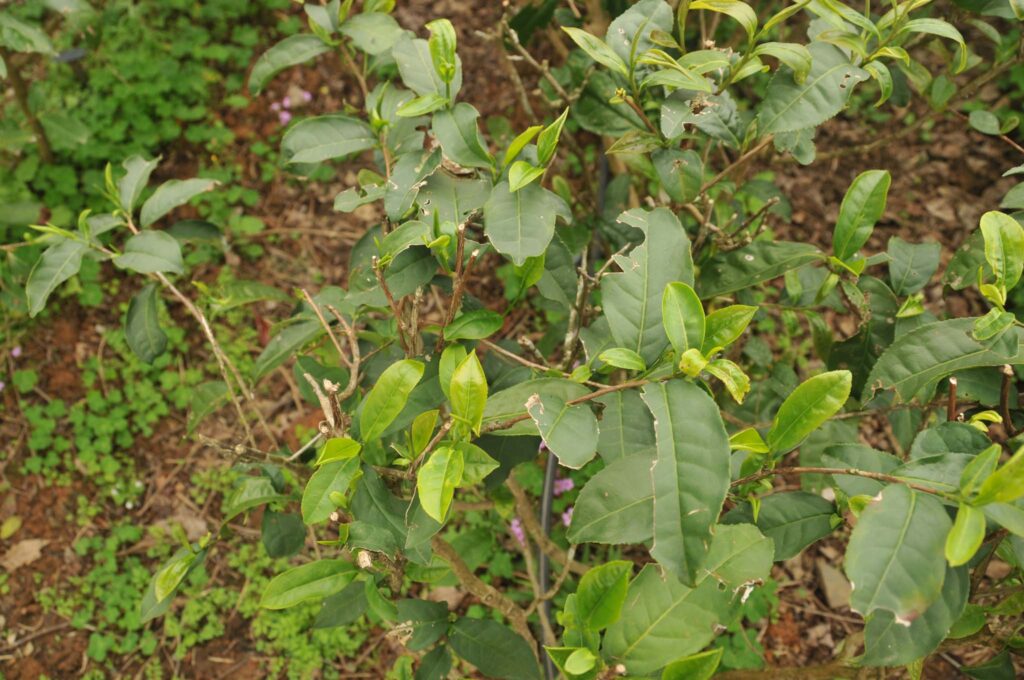
Transcribed from the Taiwan Cultural Memory Bank: TTES No. 6 was selected from natural hybrid offspring of a Qingxin Oolong maternal line, with hybridization occurring between 1931 and 1940. Originally designated as strain Tainong No. 121, it was officially named TTES No. 6 in 1974. During the same breeding selection trial, 13 new strains and 3 control varieties (Qingxin Damou, Qingxin Oolong, and Daye Oolong) were evaluated. Results from strain comparison and regional trials demonstrated that TTES No. 6 possesses several superior traits, including early budding (harvestable a month earlier than Qingxin Damou and even earlier than TTES No. 5), the highest fresh leaf yield, large leaf area (largest among all 16 strains), high 100-bud weight (heaviest among all 16 strains), and a high density of bud trichomes. Other characteristics include strong growth vigor, an upright plant structure, oblong leaf shape, light green leaves, sparse serration, and prominent lateral veins at wider angles.

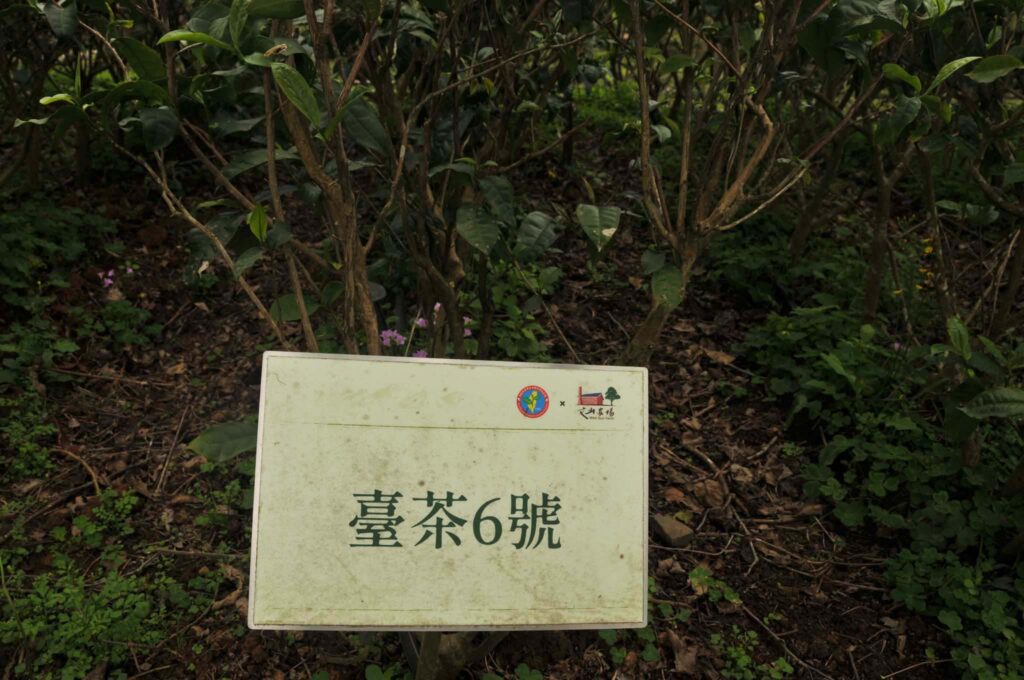
In summary, TTES No. 6 boasts key advantages such as early budding, high yield, large leaf area, high 100-bud weight, dense bud trichomes, and robust growth vigor.

Our Observations on TTES No. 6

As part of the second batch of officially registered Taiwan tea cultivars (TTES No. 5–7), it was developed during the height of Taiwan’s green and black tea export era and positioned specifically for green tea production. However, as Taiwan’s tea market shifted predominantly toward Oolong tea, the cultivation area for TTES No. 6 steadily declined. We have only encountered a TTES No. 6 tea garden once in Nantou, but unfortunately, due to neglected management, the tea bushes were in poor condition. Today, finished tea products made from TTES No. 6 are extremely rare on the market.

Shopping Cart