When thinking of Japanese green tea, steaming is often the first thing that comes to mind—a technique used for teas like Gyokuro and Matcha. However, there is also a green tea crafted by pan-firing in iron pans: the traditional Kamaichicha (釜炒り茶). Featuring a distinct roasted aroma and a smooth, mellow taste, it is a truly unique Japanese green tea.
Kamaichicha: Japanese Green Tea Pan-Fired in Iron Pans
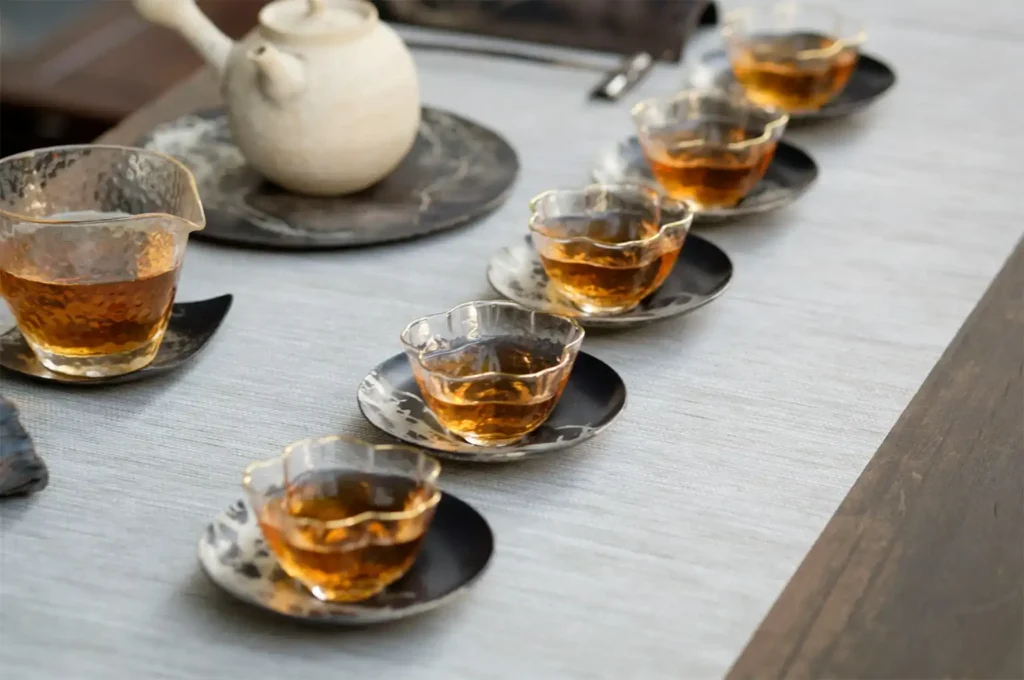
The defining feature of Kamaichicha is pan-firing. Unlike mainstream Japanese green teas that use steaming, Kamaichicha is pan-fired in high-heat iron pans to stop oxidation and remove excess moisture. This process creates slightly curled leaves with a nutty, roasted aroma and yields a pale yellow liquor. It also reduces astringency, offering a smoother, gentler flavor profile.
Origin
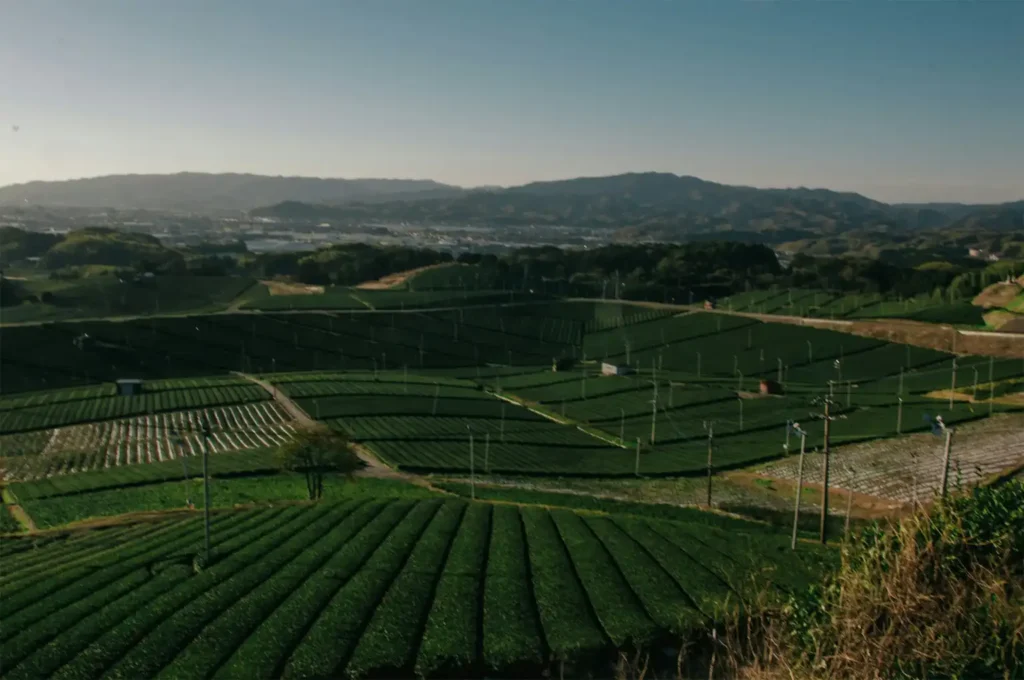
Kamaichicha is primarily produced in Kyushu, Japan, with Kumamoto, Miyazaki, and Saga prefectures being the main regions. Tea farmers here use traditional pan-firing techniques that set it apart from typical steamed Japanese green teas. Kamaichicha retains the refreshing essence of green tea while introducing a distinct, satisfying roasted fragrance.

Production Process
| Harvesting | Fresh, tender leaves are harvested, with spring and summer harvests generally offering superior quality. |
| Pan-Firing | Immediately after harvesting, tea leaves are tossed into hot iron pans and flash-roasted at high temperatures to deactivate enzymes, prevent oxidation, and remove excess moisture. |
| Rolling | After pan-firing, the leaves are rolled to release internal juices and shape the tea. |
| Drying | The final step is low-temperature drying, which reduces moisture content to preserve shelf life and stabilize the flavor profile. |
Brewing Guide
| Tea Amount | About 3 g of tea leaves per 150 ml of hot water. |
| Water Temperature | Recommended at 80–90°C, higher than steamed green teas like Sencha and Gyokuro, helping to fully release the roasted aroma of pan-fired leaves. |
| Steeping Time | 30 to 60 seconds for the first infusion, adjustable according to personal preference. |
| Re-steeping | Can be steeped 2–3 times. Extend each subsequent steep by 20 to 40 seconds to experience evolving flavor layers. |
Pros and Cons of Kamairicha
| Pros | A unique pan-fired fragrance with subtle roasted notes, setting it apart from typical Japanese green teas. |
| Mild and smooth on the palate with lower astringency than Sencha, perfect for tea drinkers who prefer less bitterness. | |
| Lower caffeine content, making it ideal for afternoon or evening drinking without disrupting sleep. Great for those sensitive to caffeine. | |
| Cons | Less common in the market. Kamairicha accounts for less than 1% of total Japanese tea production, making it harder to find compared to mainstream teas like Sencha or Gyokuro. |
| The roasted aroma profile may take some getting used to for those accustomed to fresh, steamed green teas. |
Kamairicha is a traditional Japanese green tea known for its distinctive pan-fired aroma and wonderfully smooth texture. If you enjoy Japanese green tea, it is definitely worth a try—it offers a truly unique experience compared to other green teas!