Tea and coffee are two of the world’s most popular beverages, and both contain caffeine, meaning either one can help give you a boost of energy. But which one has more caffeine? Let us compare these two drinks to help you figure out which one is right for you.
Caffeine Content in Coffee
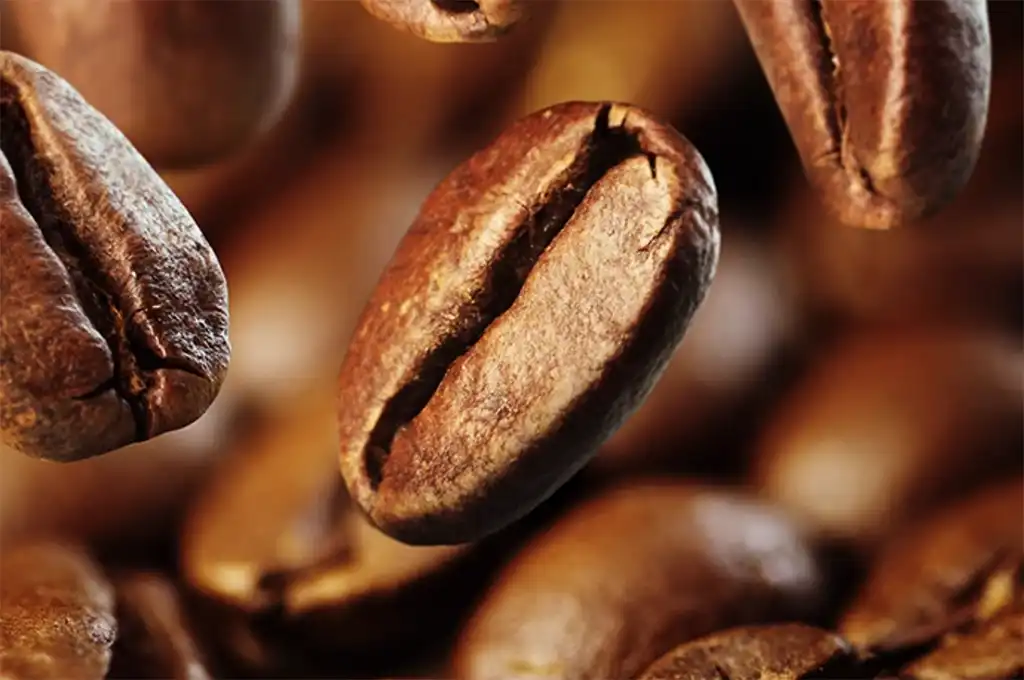
The caffeine content in coffee depends on the coffee bean variety, brewing method, and concentration. Generally speaking, 100 ml of drip coffee contains 60–90 mg of caffeine. Espresso has even more, with nearly 200 mg of caffeine per 100 ml. Compared to various types of tea, coffee generally has a higher caffeine content, which is why it’s the go-to pick-me-up for office workers.
Caffeine Content in Tea
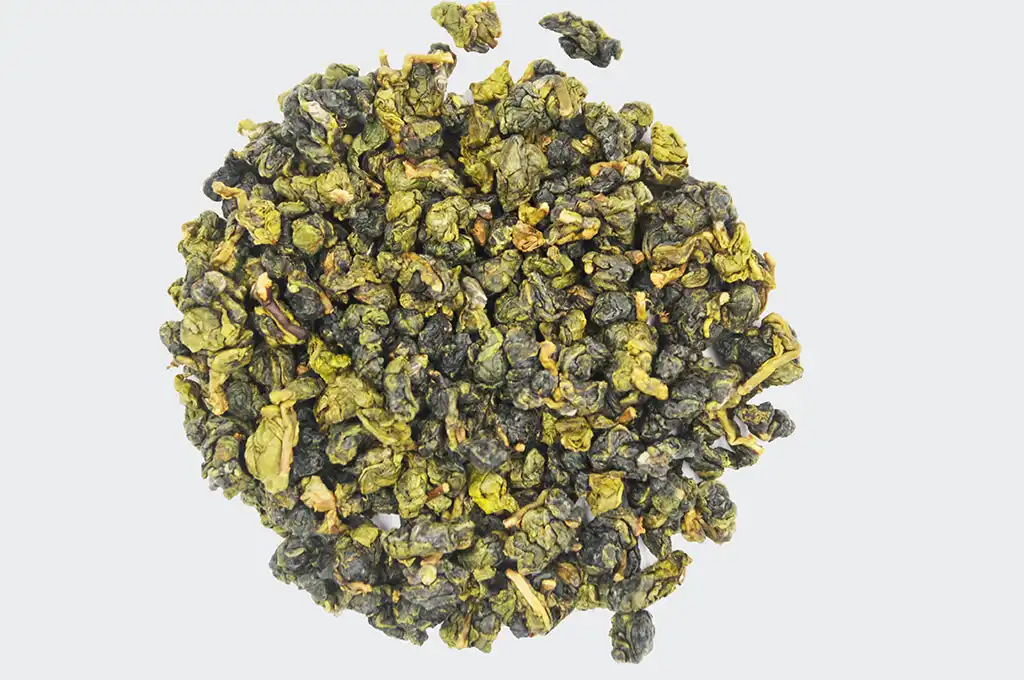
Generally speaking, black tea contains 25–80 mg of caffeine per 100 ml, oolong tea has 25–55 mg, and green tea ranges between 8–30 mg. The caffeine content in different teas varies based on production methods, fermentation levels, growing temperatures, and brewing techniques.
Which Has More Caffeine: Tea or Coffee?
Overall, coffee generally has a higher caffeine content than tea, and ground coffee beans release caffeine much more efficiently. Tea leaves naturally have a lower caffeine content, and since they are mostly whole leaf, caffeine is released more slowly. Therefore, if you want to reduce your caffeine intake, drinking tea is a better choice.

However, if you are looking for a quick and effective energy boost, coffee is the better option, especially espresso. Do keep in mind, though, that the recommended daily caffeine intake for adults is under 300 mg, and excessive consumption can lead to jitters and insomnia.