What Do Raw, Semi-Roasted, and Roasted Taiwanese Oolong Teas Mean? What’s the Difference?

What are raw, semi-roasted, and roasted Taiwanese oolong teas? The key to distinguishing these three types of tea lies in a crucial tea-making step—roasting! Today, let’s explore the differences between them and see which one best suits your taste.

Differences between Lightly Fermented, Medium Fermented, and Heavily Roasted Oolong Teas

What Are the Differences Between Raw, Semi-Roasted, and Roasted Teas?

In the production of Taiwanese oolong tea, after the raw tea leaves are processed, tea masters sometimes perform a refining step called “roasting.” Roasting serves two main purposes: first, to further reduce the moisture content of the leaves, making them drier for better preservation; second, to trigger the Maillard reaction through heat, enriching the aroma and flavor profiles.

If the tea is unroasted or only lightly roasted, it is referred to in the Taiwanese tea community as raw tea, which retains characteristics closest to the original flavor of the tea leaves. Teas with heavier roasting are called roasted tea, featuring a grounded aroma and a rich, mellow flavor. Those falling in between are known as semi-roasted tea. Simply put, the degree of roasting determines whether a tea is raw, semi-roasted, or roasted.

Difference between raw, lightly fermented, and roasted oolong tea

What Are the Characteristics of Raw, Semi-Roasted, and Roasted Teas?

Lightly fermented teas are characterized by a delicate, fresh, and crisp aroma with a bit more punch. They preserve the original flavor of the tea leaves and feature a lighter liquor color, making them ideal for those who prefer a refreshing taste.

Roasted teas, on the other hand, go through a heavier roasting process that deepens the aroma, resulting in a rich, mellow, and warming flavor with less umami. The color of both the dry leaves and the infused tea also darkens as the roast level increases, making them a great choice for those who enjoy a bold flavor profile. Additionally, the roasting process transforms the caffeine and tannins in the leaves, meaning roasted teas have a relatively lower caffeine content—perfect for those who are sensitive to caffeine and worry about staying awake.

As for partially roasted teas, they fall somewhere in between—offering a layered aroma while retaining a refreshing quality, making them well-suited for tea lovers looking for a balanced taste.

Difference between raw, lightly fermented, and roasted oolong tea

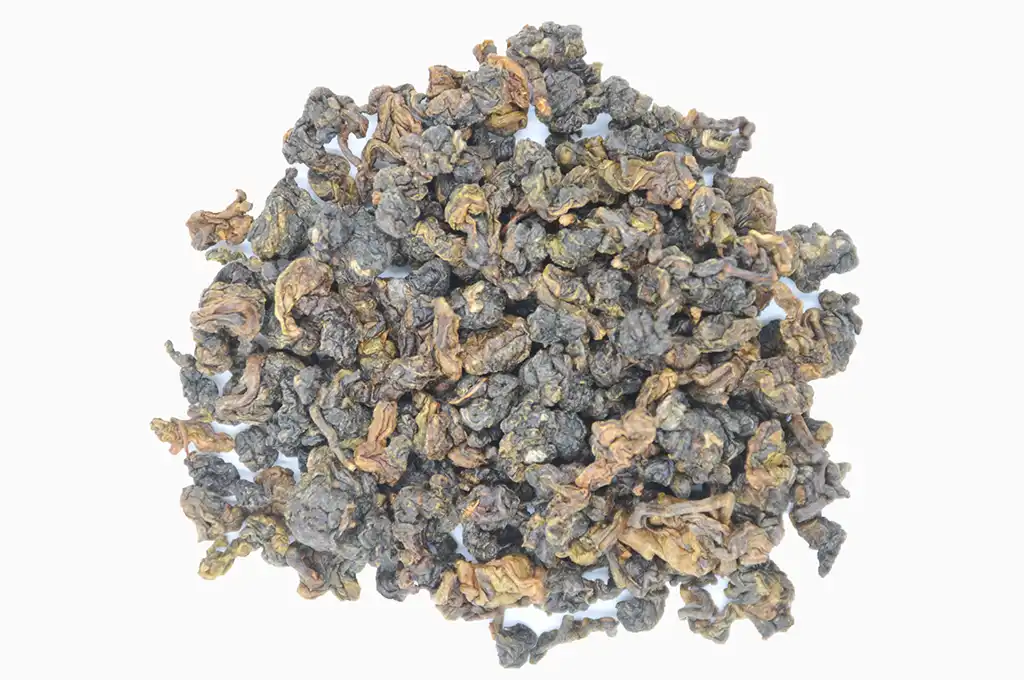
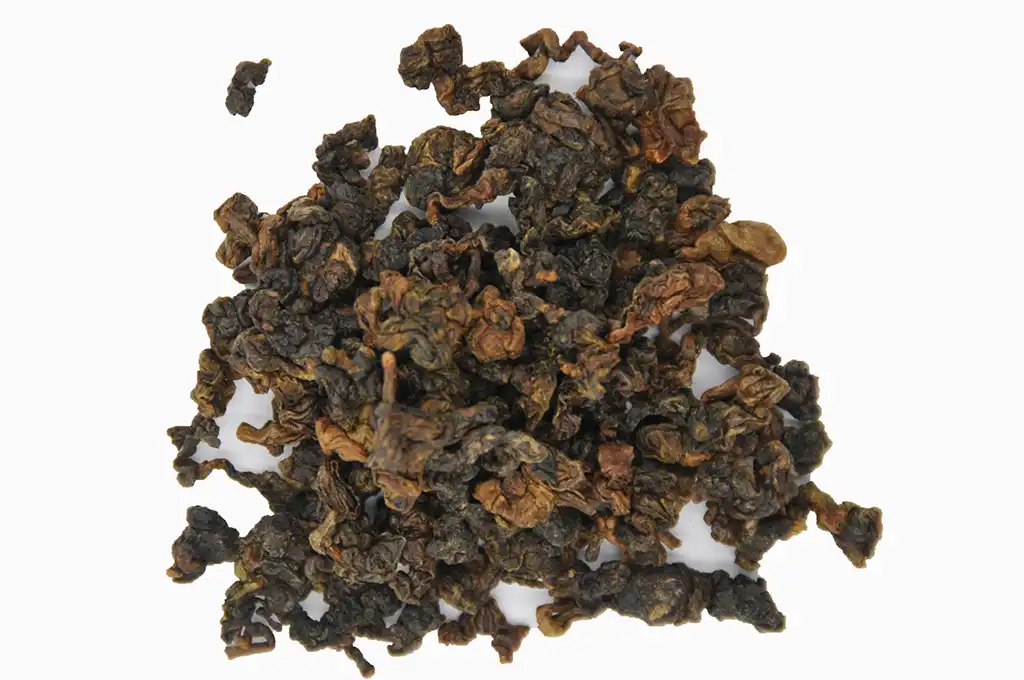
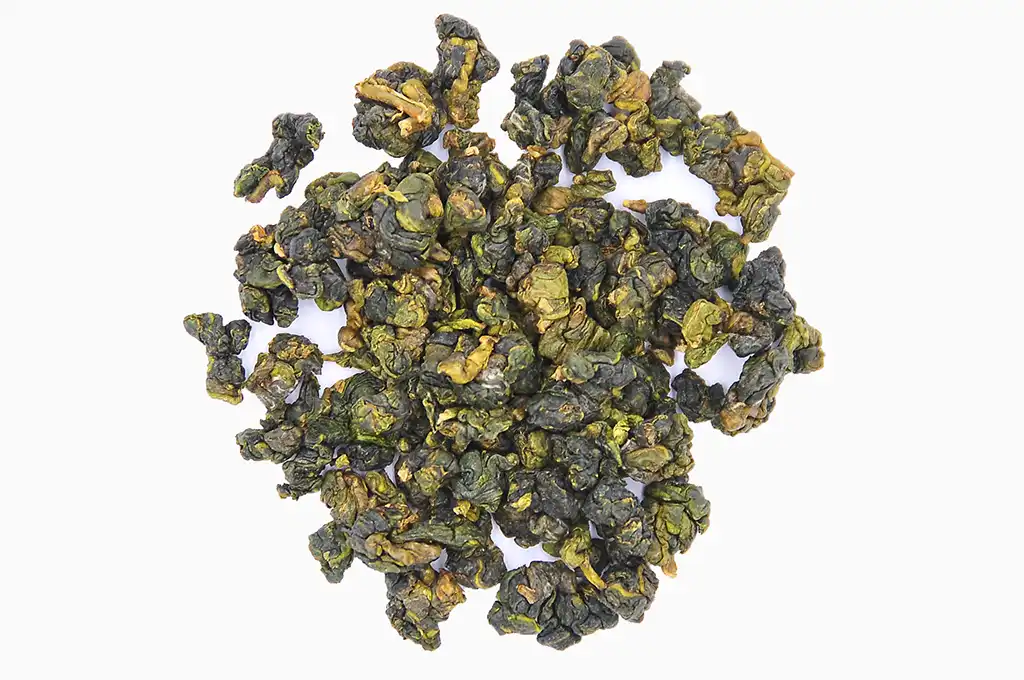
Almost all Taiwanese oolong teas can be roasted to different degrees depending on preference. Common light teas include Wenshan Pouchong, High Mountain Oolong, and Oriental Beauty; partially roasted teas include medium-roasted Tieguanyin; while roasted options include heavy-roasted rich aroma Dongding and heavy-roasted Tieguanyin. Each style has its own unique character, so we encourage you to try them all when you get the chance. (The images above show light, partially roasted, and roasted teas in order—can you spot the difference?)

Shopping Cart