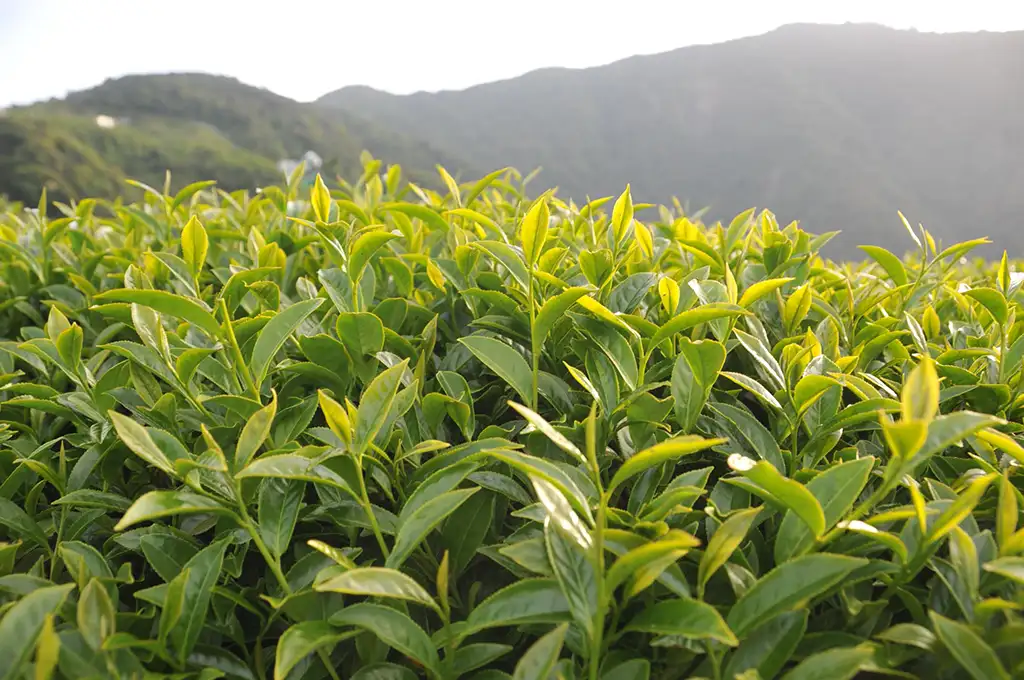
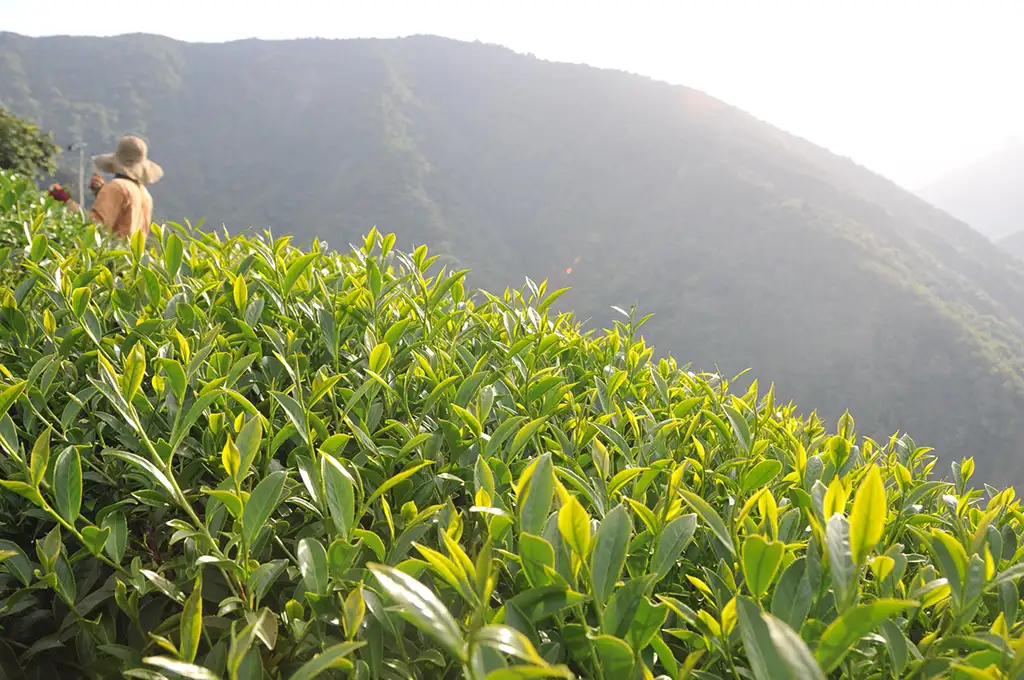
In mid- to low-altitude tea regions, Qingxin Oolong still accounts for more than half of all cultivation, though the gap with newer cultivars like JinXuan and Sijichun is narrowing. At elevations above 1,000 meters, roughly 95% or more is Qingxin Oolong. Above 1,500 meters, that figure exceeds 97%. Aside from small amounts of Tieguanyin, Yingxiang, and JinXuan, ultra-high-altitude tea gardens are almost exclusively planted with Qingxin Oolong.