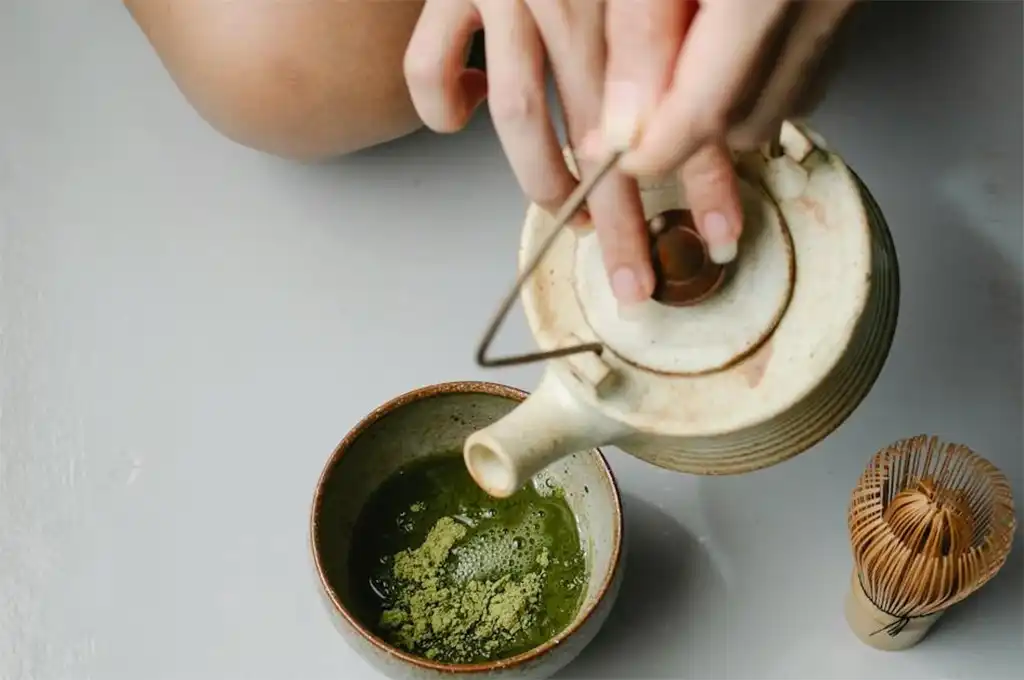
Is Matcha Caffeine Content Safe? How Much Should You Drink Daily?

Many people mistakenly believe that matcha has very little or even no caffeine, but this is incorrect. In fact, matcha is made from whole tea leaves and naturally contains caffeine. Moreover, its caffeine content is relatively higher than that of other teas, sometimes even approaching the levels found in coffee.

Caffeine content in matcha

Matcha caffeine content

Studies show that 1 gram of matcha powder contains approximately 20–45 mg of caffeine. Although matcha belongs to the green tea family, the leaves are ground into an extremely fine powder, allowing the caffeine to dissolve more easily. This means that by weight, matcha’s caffeine content can be 2 to 3 times that of regular green tea.

How Much Matcha Is Appropriate to Drink Daily?

According to World Health Organization guidelines, adults should keep their daily caffeine intake below 400 mg. Based on 20–45 mg of caffeine per gram of matcha powder, this means a safe daily intake is about 8–20 grams of matcha powder, equivalent to 4 to 9 cups of matcha (calculated at about 2 grams of matcha powder per cup).

Please note that these recommended values are based on safe intake levels for the general population. Everyone’s tolerance to caffeine varies, so intake should be adjusted based on personal circumstances. For those sensitive to caffeine, pregnant women, or nursing mothers, it is recommended to consult a healthcare professional before drinking matcha, and to account for the total intake of other caffeinated beverages such as coffee or cocoa.

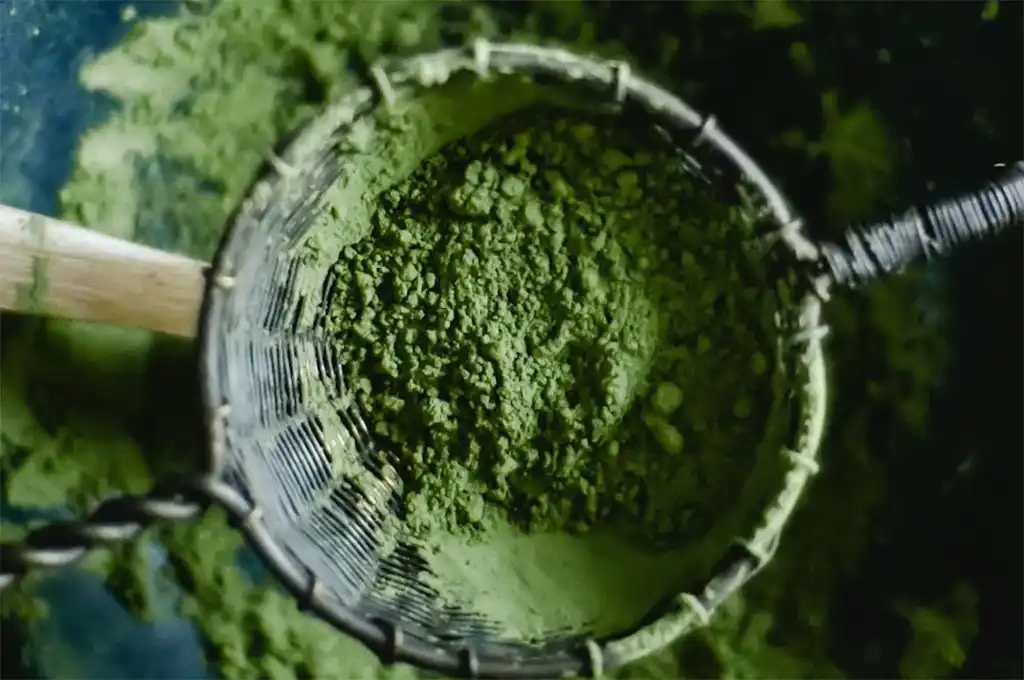
Caffeine content in matcha

How to Prevent Matcha Caffeine from Affecting Your Sleep

Since everyone has a different sensitivity to caffeine, even a small amount can cause insomnia for some people. Therefore, if you are easily affected by caffeine, you should avoid drinking matcha within 6 hours of bedtime—especially in the evening—to avoid compromising your sleep quality.

Shopping Cart