
Sijichun (Four Seasons Spring) tea is a popular beverage in Taiwan, but many people worry about whether it contains caffeine and if it might affect their sleep. Sijichun tea does contain caffeine, but the level is relatively low compared to coffee, and different brewing methods can further reduce the caffeine concentration. Let’s take a closer look at the caffeine content in Sijichun tea and its effects.
Caffeine Content in Sijichun Tea
Si Ji Chun is a tea plant variety, and any beverage made from tea leaves naturally contains caffeine. However, caffeine levels are not fixed; they are influenced by processing methods, growing temperatures, and brewing techniques. This means that even when drinking the exact same Si Ji Chun tea, the caffeine concentration will vary depending on how it is brewed or processed.
Factors Influencing Caffeine Levels in Si Ji Chun Tea
- Tea Processing Method: The higher the fermentation level of the tea leaves, generally the higher the caffeine concentration. Therefore, fully fermented black tea contains higher caffeine levels, while teas subjected to higher-temperature roasting will see a reduction in caffeine due to the heat.
- Growing Temperature: The temperature during the growing season also affects caffeine content. The hotter the weather, the higher the caffeine content in the tea leaves; consequently, summer and autumn teas tend to have higher levels than spring and winter teas.
- Brewing Method: Using higher water temperatures or extending the steeping time will increase the amount of caffeine extracted. If you brew with hotter water or let the tea leaves steep for too long, more caffeine will dissolve into the tea.
- Tea Leaf Form: Broken tea leaves have a larger surface area and a wider contact area with water, resulting in higher caffeine extraction compared to whole leaf teas. For example, the broken teas commonly used in beverage shops typically have a higher caffeine concentration.
Caffeine Concentration in Taiwan Si Ji Chun Tea
Most of Taiwan’s Si Ji Chun tea is crafted into lightly fermented oolong tea. Due to this light fermentation process, the caffeine content in this type of Si Ji Chun tea is relatively low. Generally speaking, the caffeine concentration in Si Ji Chun tea is only about 1/4 of that in coffee and about 1/2 of that in black tea. Per 100 milliliters of oolong tea, the caffeine content ranges between 25 and 55 milligrams. Since consuming less than 300 milligrams of caffeine a day is considered safe for most people, you don’t need to worry too much about enjoying Si Ji Chun tea in your daily routine.
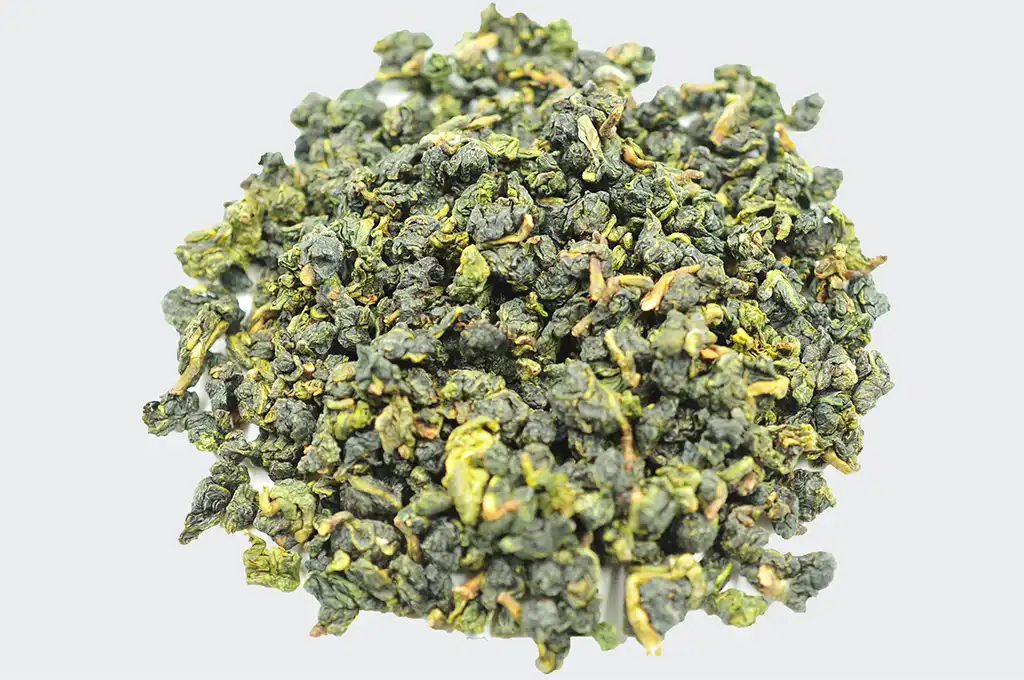
Available in our shop: Si Ji Chun Tea
How to Reduce Caffeine in Si Ji Chun Tea
Si Ji Chun tea has a relatively low caffeine concentration, so most people don’t need to worry about excessive caffeine intake when drinking it. If you are particularly sensitive to caffeine—such as worrying about sleeplessness, having a caffeine allergy, or being pregnant—you can use cooler water temperatures and shorten the steeping time to reduce caffeine extraction. Alternatively, avoiding it within 6 hours before bedtime will effectively minimize the impact of Si Ji Chun’s caffeine on your sleep.
Read More:
- What is Si Ji Chun Tea? Why Has It Become Young People’s Favorite Tea?
- Si Ji Chun Tea is Not Only Delicious: These Benefits Will Make You Love It Even More!
- Is Si Ji Chun Green Tea? You Might Have Misconceptions About Tea Classifications!
- Does Si Ji Chun Tea Contain Caffeine?
- A Must-Read for Beverage Lovers: What is Si Ji Chun Oolong Tea?