A tea enthusiast wrote to us: What is Winter Sprout Oolong? I’ve seen many tea shops selling it lately. Where is it grown, and how is it different from regular winter tea? Is Winter Sprout Oolong considered an oolong, or is it a type of black or green tea?
Liao Chang Xing responds: "What is Winter Sprout Oolong?"
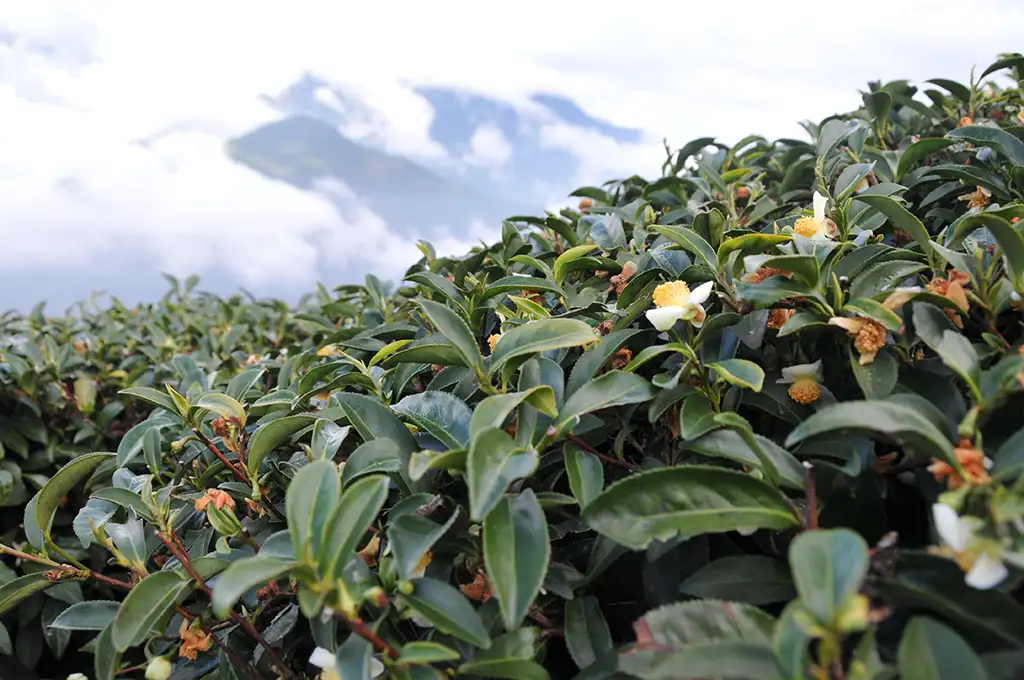
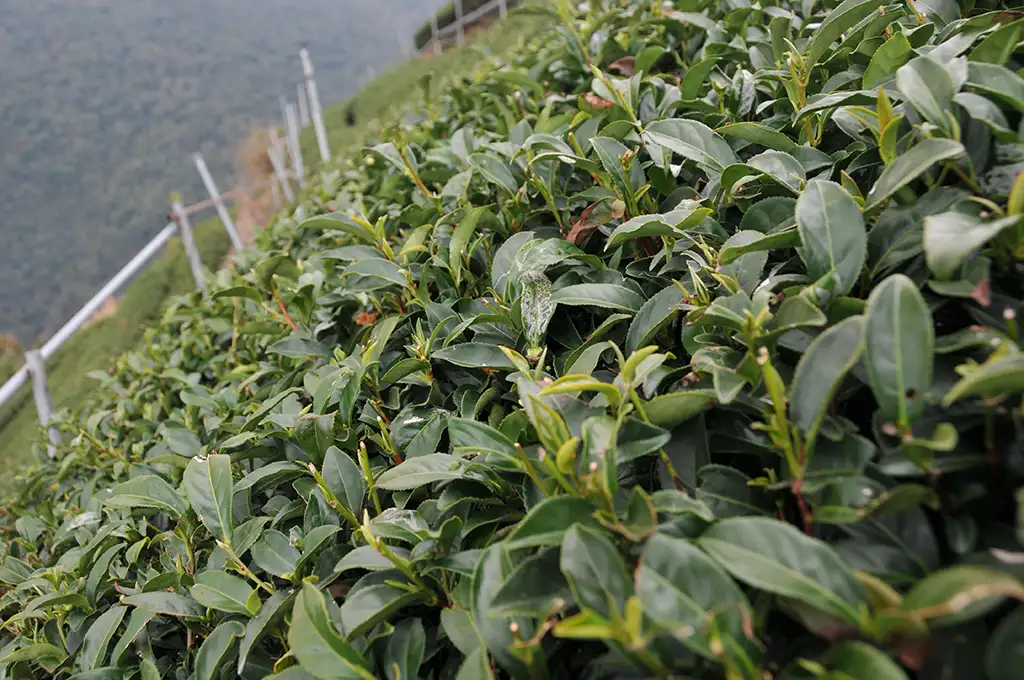
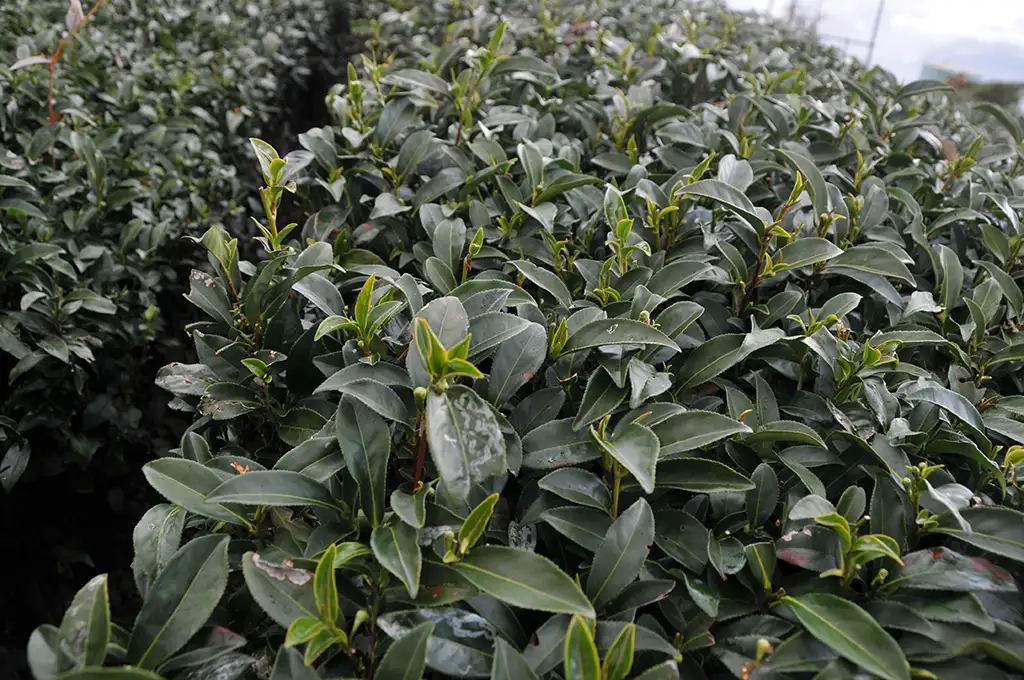
Winter Sprout Oolong refers to the tender buds that sprout after the winter tea harvest. Typically, after winter harvest, tea trees enter a state of dormancy, halting growth until temperatures rise the following spring. However, during a warm winter, given adequate rainfall or irrigation, the tea trees mistake the conditions for spring and push out new shoots once again. These harvested leaves become Winter Sprout Oolong.
Is Winter Sprout Oolong?
Yes. While harvested tea leaves can be made into green, black, or oolong tea, in practice, Winter Sprout Oolong in Taiwan is exclusively crafted into partially fermented tea, commonly known as oolong tea.
How is Winter Sprout Oolong different from regular winter tea?
Because Winter Sprout Oolong grows in lower temperatures than regular winter tea and at a much slower pace, its bitterness and astringency are notably lower. Higher levels of amino acids and carbohydrates result in a bright, delicate liquor that is sweet, rich, smooth, and gentle, featuring a distinct, crisp, and refreshing aroma.
Where is it produced?
Winter Sprout Oolong was traditionally common in lower-elevation tea regions, such as Mingjian in Nantou, Zhushan, and Lugu. However, with recent climate warming, tea regions above 1,500 meters have also started producing it, and in the past couple of years, even tea farmers in the Lishan region have harvested Winter Sprout Oolong. From the store manager’s perspective, however, lower-elevation regions still yield better average quality for Winter Sprout Oolong. While exceptional batches occasionally come from elevations of 1,200 to 1,500 meters, high mountains above 1,500 meters are often too cold, causing the harvested Winter Sprout Oolong buds to suffer from severe lignification, resulting in quality that falls short of the mid-to-low elevation counterparts.

In recent years, due to global warming and advancements in cultivation techniques, the production of Winter Sprout Oolong in mid-to-low elevation tea regions has surged significantly. Among them, JinXuan, Four Seasons Spring, and Qingxin Oolong have become the mainstay tea varietals. Qingxin Oolong Winter Sprout Oolong commands a higher price, while JinXuan and Four Seasons Spring hold distinct advantages in both yield and affordability, making them ideal choices for tea beginners.