
Winter tea and spring tea are the two seasons yielding the finest quality among Taiwan’s high mountain oolong teas. Due to variations in daylight hours, monsoons, temperature, and rainfall, these two seasons showcase distinct flavor profiles and qualities. So, what exactly is the difference between winter tea and spring tea? For tea lovers, is spring tea better, or is winter tea better? This article explores the differences between high mountain winter tea and spring tea.
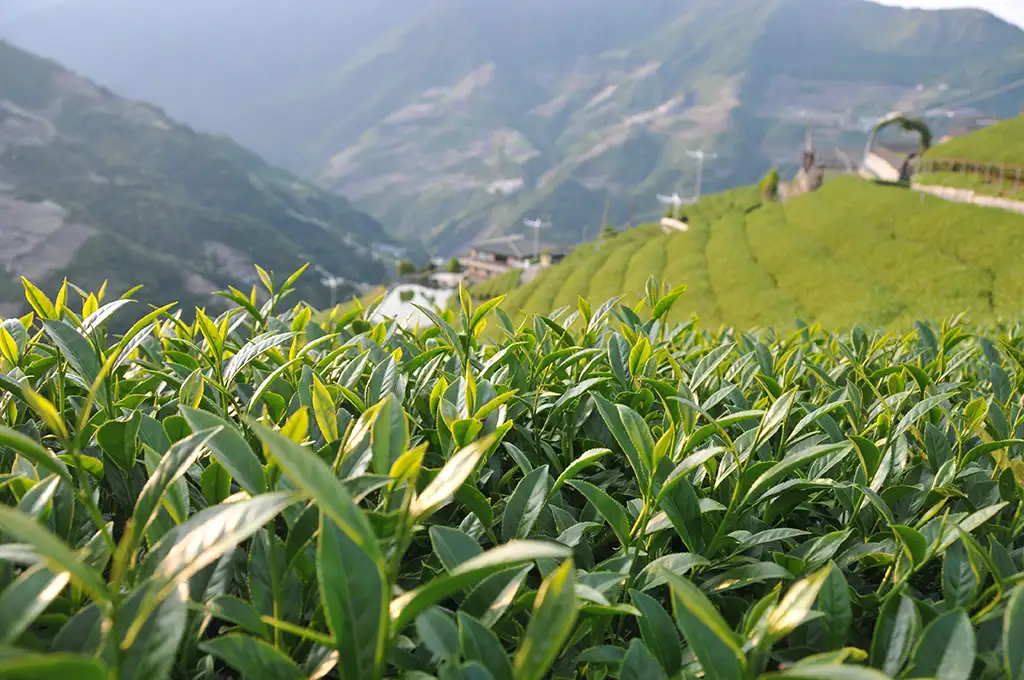
Difference Between High Mountain Winter Tea and Spring Tea
✅Spring Tea: After resting and rejuvenating throughout the half-year winter, tea trees welcome a new growth cycle in the spring. With warm spring temperatures and ample sunlight and moisture, the tea trees grow rapidly, resulting in a spring tea with a richer and bolder flavor. However, because the tea leaves have a higher water content, crafting them into oolong tea is also more challenging. Spring tea is more prone to bitterness and astringency compared to winter tea. Generally, spring tea has the highest yield among high mountain teas, potentially accounting for 40%–60% of the annual production.
✅Winter Tea: Following the heat of summer and autumn, high mountain temperatures begin to drop around September and October. The tea leaves growing during this period shed their bitter and astringent notes, transforming them into a fresh aroma. High mountain winter tea grows more slowly; while it may not be as robust in flavor as spring tea, its taste is much smoother, and its aroma is more elevated and pronounced. When purchasing high mountain winter tea, it is essential to watch out for the arrival of the Northeastern Monsoon. As soon as the monsoon winds blow, the tea leaves begin to lignify (woody), causing quality to drop rapidly. The finest winter tea is harvested just two days before the arrival of the Northeastern Monsoon, while the tea is still young and unaged, capturing the unique fragrance brought by the monsoon winds. Winter tea has the lowest yield among the spring, autumn, and winter seasons, making up only about 20%–30% of the yearly harvest, which is why it is usually priced slightly higher than spring tea.
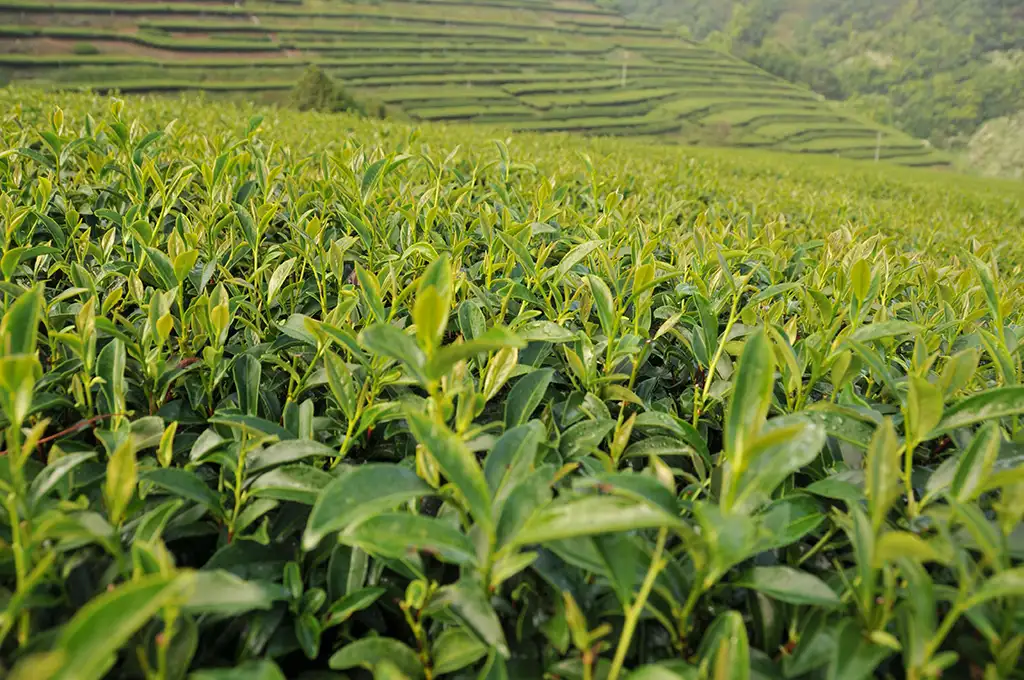
Is Winter Tea Better or Spring Tea Better?
Neither is objectively better; it all comes down to which flavor profile you prefer. Spring tea offers a rich taste, though it can sometimes carry slight bitterness and astringency. Winter tea boasts a wonderful aroma, a fresh flavor with low astringency, and a mellow taste, making it ideal for those who enjoy smooth and refreshing teas.
Looking at the two photos above, can you tell which one is spring tea and which one is winter tea?