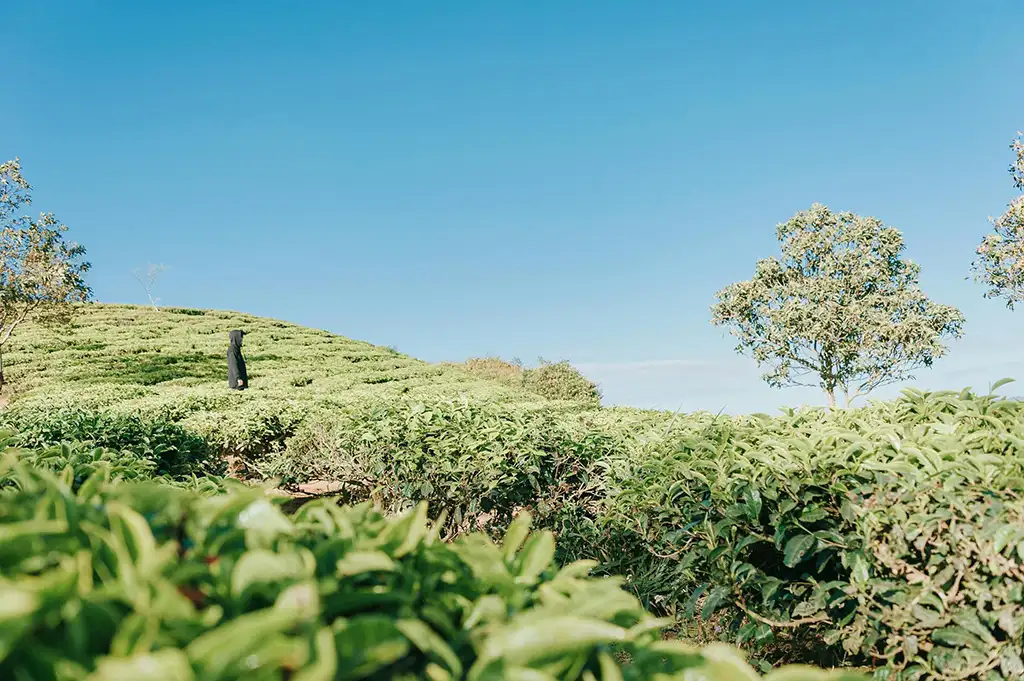
Does High Mountain Tea Contain Caffeine?

Does high mountain tea contain caffeine? Yes, all tea beverages contain caffeine. The good news is that every 100 ml of high mountain tea contains between 20 and 30 mg of caffeine, which is considered very low compared to coffee and black tea.

Does high mountain tea have caffeine

Does Taiwanese High Mountain Tea Have Caffeine? How Much Does It Contain?

According to research, 100 ml of Taiwanese high mountain tea contains between 20 and 30 mg of caffeine. However, this is just a rough estimate; actual caffeine levels are influenced by many factors, including the tea’s growing conditions, processing methods, sunlight exposure, and brewing techniques. Below, we will introduce ways to reduce caffeine in high mountain tea.

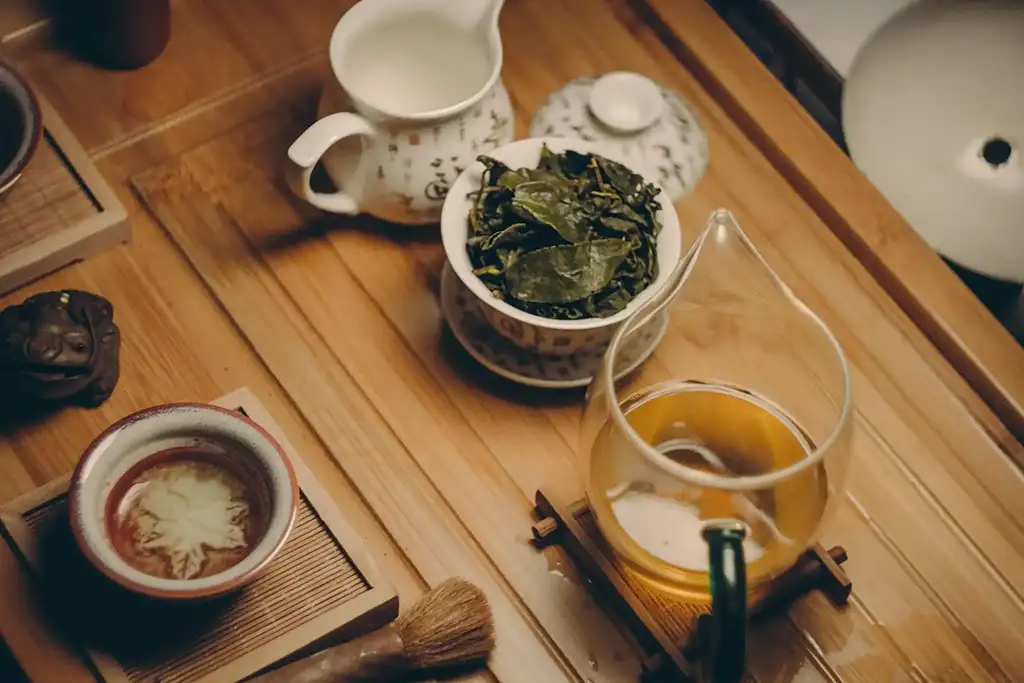
Recommended Daily Caffeine Intake

According to literature, adults are advised to keep their daily caffeine intake under 400 mg, while pregnant and breastfeeding mothers should limit it to no more than 200 mg per day. Individuals who are sensitive to caffeine should also monitor their intake. Quick tip: A single large Americano contains around 300 mg of caffeine. Based on the 400 mg standard, you can safely drink 1,000 ml of Taiwanese high mountain tea a day without any issues.

Does high mountain tea have caffeine

How to Reduce Caffeine in High Mountain Tea

If you love high mountain tea but need to cut back on caffeine, you can try the following methods:

  • Choose high mountain teas with lower caffeine content: Roasting triggers the Maillard reaction, which transforms caffeine and helps lower its levels. Additionally, spring and winter teas have lower caffeine content due to reduced sunlight exposure during those seasons.
  • Use less tea leaves and shorten brewing time: Both of these methods reduce the amount of caffeine released during steeping.
  • Lower the brewing water temperature: Switching from boiling water (100°C) to 80°C water significantly decreases caffeine extraction. Using room-temperature or even ice water will cut the extracted caffeine in half, making cold brewing an excellent way to enjoy high mountain tea.

Please note: While the caffeine content in high mountain tea is not high, drinking too much can still lead to trouble sleeping and heart palpitations. For your health, it is best to moderate your intake. You can also try avoiding drinking it on an empty stomach or within 6 hours before bedtime. If you still feel uncomfortable, we recommend switching to caffeine-free beverages—your health always comes first.

Shopping Cart