Our “Tea Industry Straight Talker” series is back! Today, we’re diving into the “Lishan Tea Region Scope“—what areas are actually included in the Lishan tea region?
Table of Contents
Lishan Tea Region Scope
Tea cultivation in the Lishan area began around 1980. Over time, the growing regions continuously expanded outward. Aside from the original Lishan Village in Heping District, Taichung City, it extended into Ren’ai Township, Nantou County. For a long time, these areas were collectively referred to as the Greater Lishan Tea Region. There has always been debate in the tea community about this Greater Lishan region—after all, calling tea from Ren’ai Township “Lishan tea” does feel a bit odd. Let’s look at the different perspectives I’ve heard over my dozen or so years of selling tea:
1. Greater Lishan Tea Region: As mentioned earlier, this encompasses Fushoushan Farm, Jiayang, Xinjiayang, Songmao, Huanshan, Pingdeng Village, Biluxi, Tianfu Farm, Dayuling, HuaGung, Cuiluan, Diaoqiaotou, Malieba, Lixing Industrial Road, Hongxiang, Wushe, Ruiyan, Cuifeng, Cingjing, DongYanShan, and Tunyuan Qilai Mountain Lushai—literally all of them. This is the broadest definition. Because Lishan tea sells well, everyone wants to claim their tea is Lishan tea.
2. Only the mountain where Fushoushan Farm is located counts: Songmao, Huanshan, Xinjiayang, Fushoushan Farm, HuaGung, and Cuiluan are considered the Lishan tea region, while places like Diaoqiaotou, Malieba, Tianfu, Hongxiang, Biluxi, and Dayuling do not qualify as Lishan tea.
The first two perspectives were commonly heard ten years ago. However, since there is no universally recognized governing body for tea regions, everyone stuck to their own definitions until a third scenario emerged:
3. In 2016, Taichung City’s Heping District officially applied to the Ministry of Economic Affairs for the “Lishan Tea” geographical indication, formally defining the Lishan tea region. Only tea gardens located in Heping District’s “Lishan Village” and “Pingdeng Village” at an altitude of 1,450 meters and above are eligible to apply for the Lishan Tea certification mark. Under this standard, only areas around Xinjiyang, Huanshan Tribe, Songmao Tribe, Fushoushan Farm, and Wuling Farm can truly be called the Lishan tea region. Cuiluan, HuaGung, Tianfu, above 86K on the Central Cross-Island Highway, Diaoqiaotou, Malieba, Biluxi, Dayuling, and even Fushoushan Farm’s Tianchi would be excluded from the Lishan tea region. Please note that this is recognized by the Taiwan government and is therefore the least controversial definition.
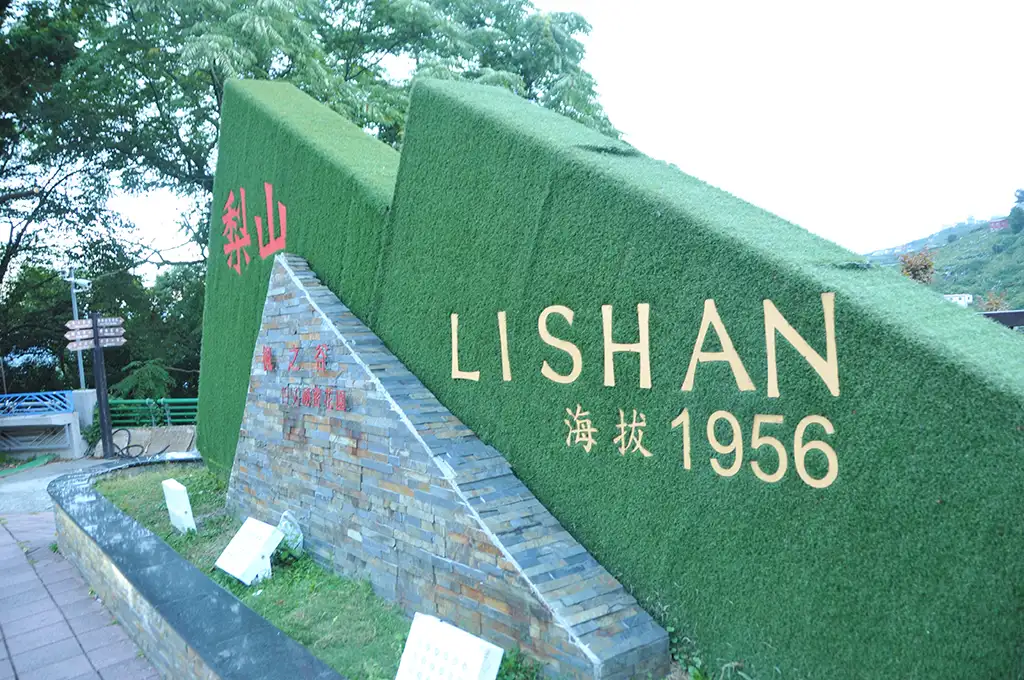
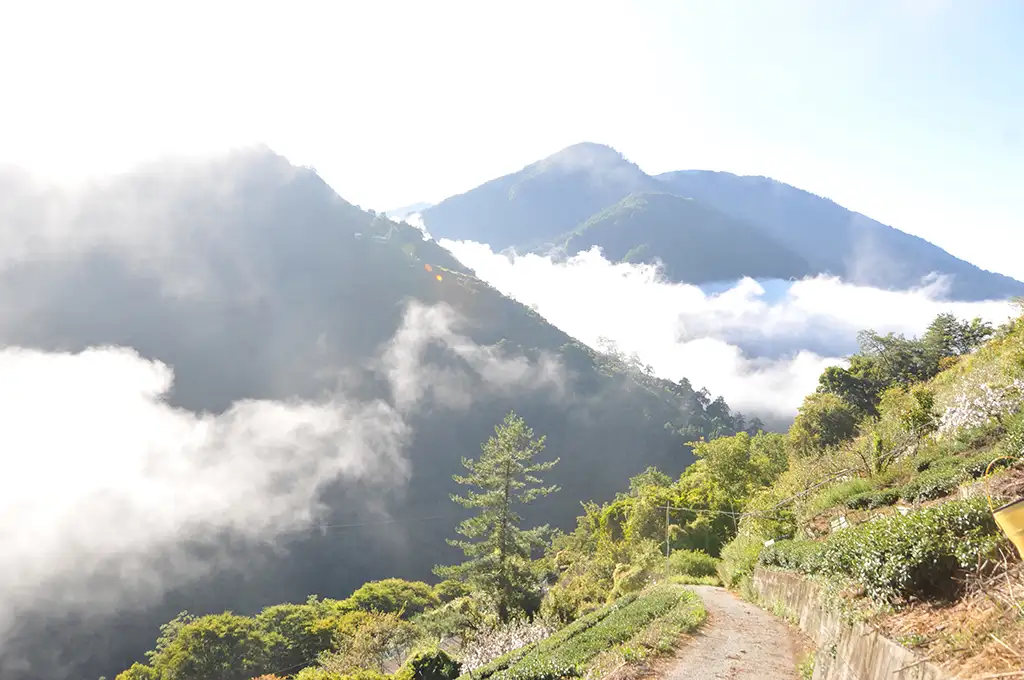
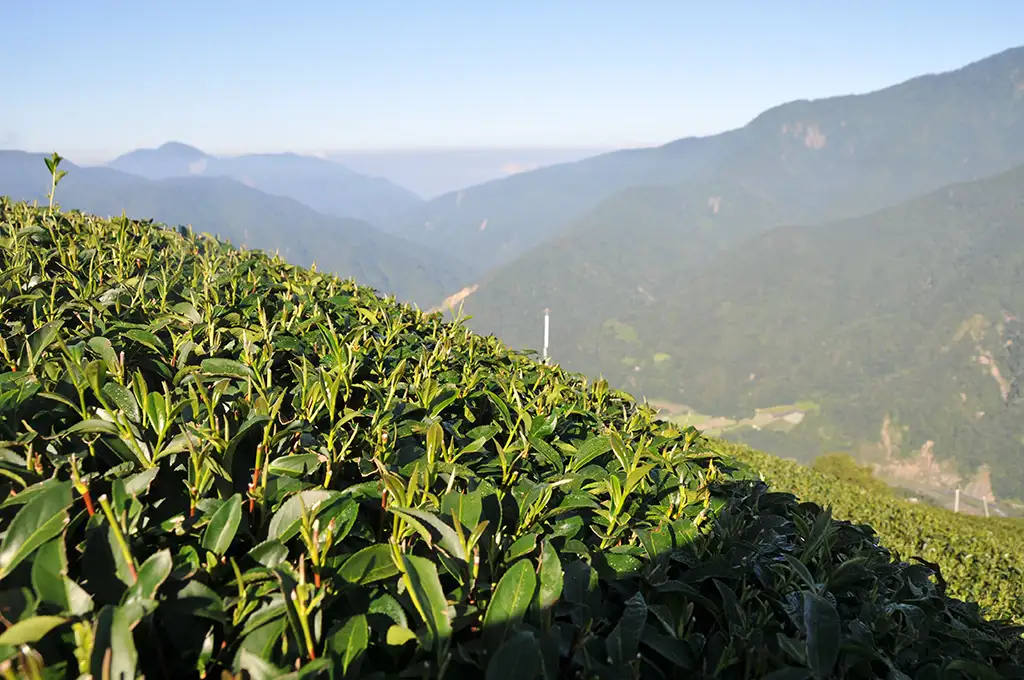
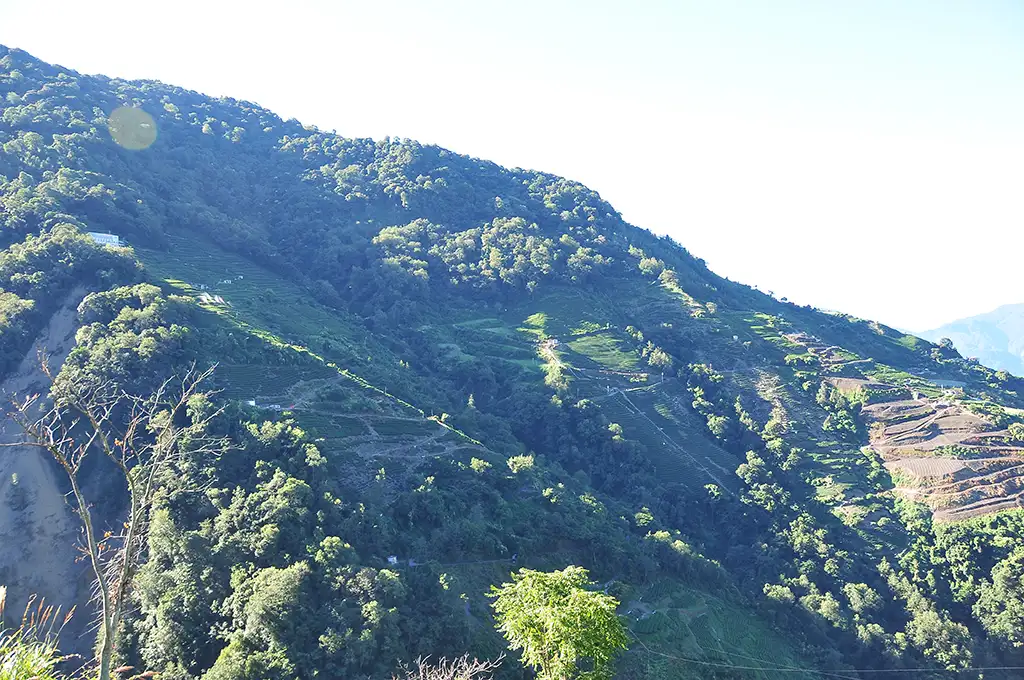
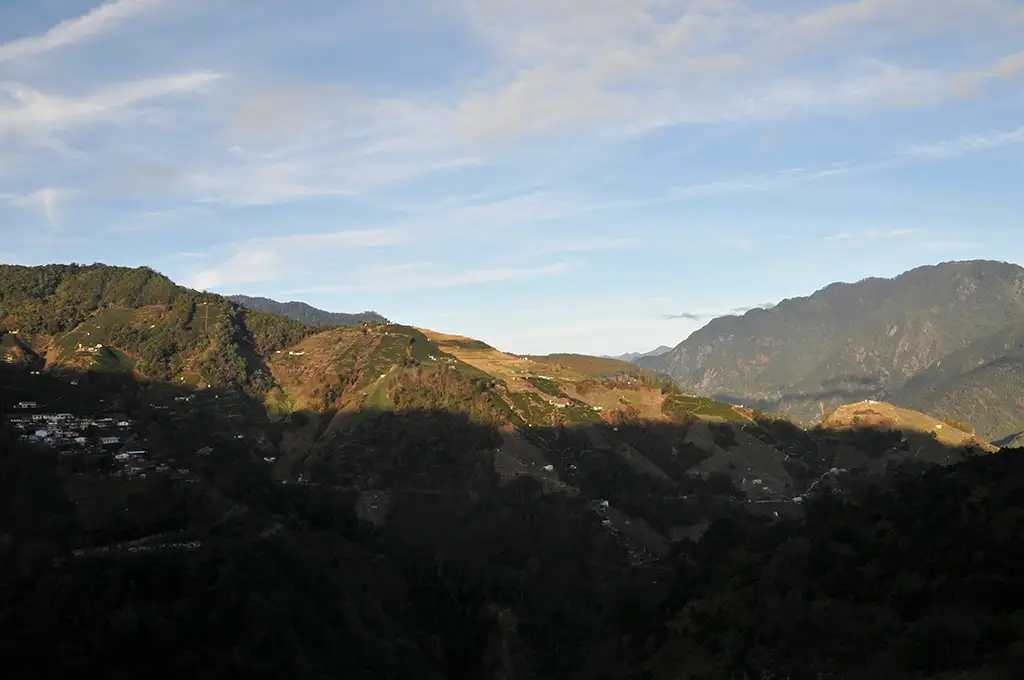
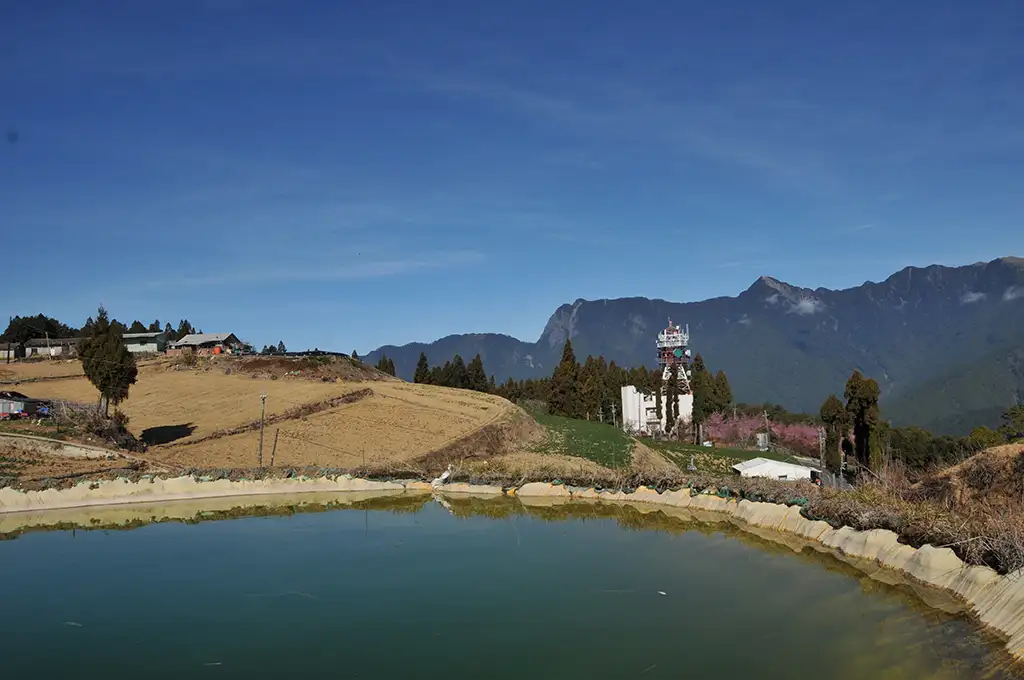
The shopkeeper has asked several local tea farmers in Lishan, and most of them hold a positive view of the third definition. As for the tea farmers in Cuiluan, Diaoqiaotou, and Malieba, they feel a bit down, thinking that tea regions are a matter of convention and the government is interfering too much. Meanwhile, tea farmers in Dayuling, Biluxi, and HuaGung don’t mind at all since their teas have long been sold at higher prices than regular Lishan tea anyway.
The Government-Defined Lishan Tea Region
Based on the third point as our standard, here is the conclusion:
Government-approved to be called Lishan Tea: Songmao, Huanshan, Xinjiyang, Fushoushan Farm (excluding Tianchi), and the farm borders. These tea areas are Lishan Tea.
Not approved by the government to be called Lishan Tea: HuaGung, Cuiluan, Malieba, Diaoqiaotou, Hongxiang, Baigu Mountain, Tianfu, Tianchi, above 85K on the Central Cross-Island Highway (Biluxi, Dayuling), Lixing, Ruiyan, Cingjing, Cuifeng, Tunyuan Qilai Mountain, Lushan, DongYanShan, Datong Mountain, Wushe Gaofeng, Cuifeng Rear Mountain, and Songgang Meifeng.