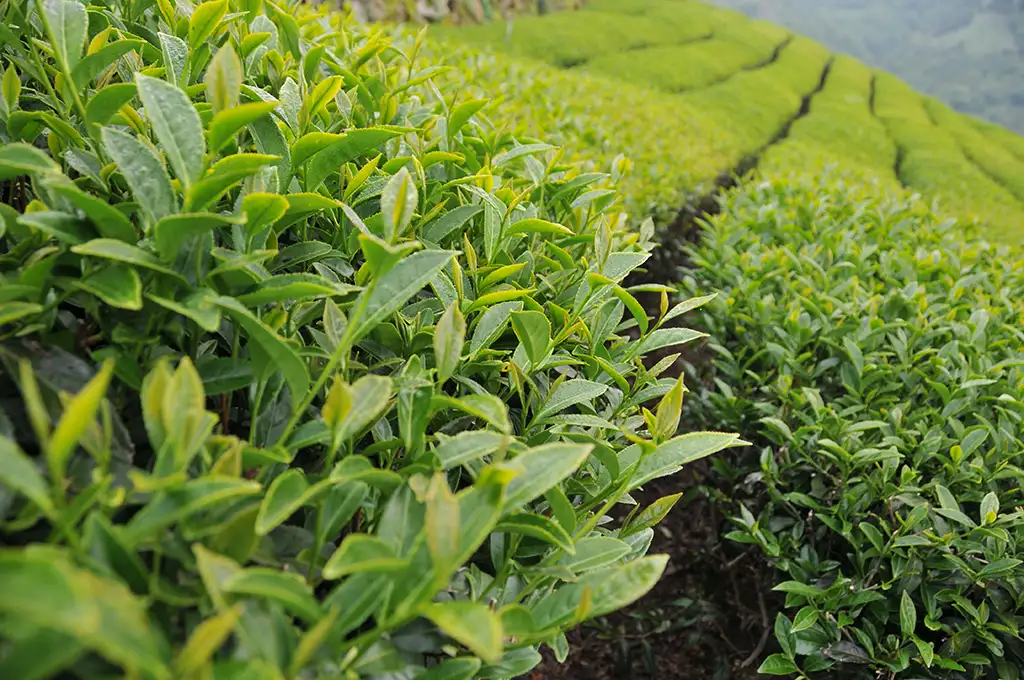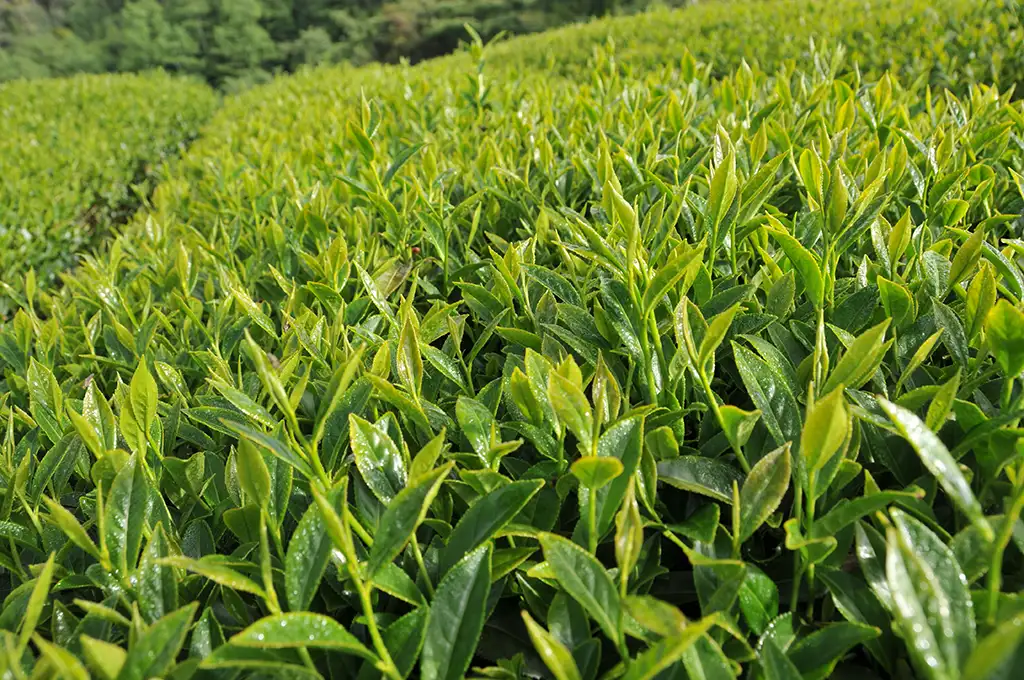
Tea tree dwarfing (pruning to keep them short) is a crucial part of tea garden management and a key indicator for tea merchants to assess how well a plantation is cared for. Regular pruning and dwarfing do wonders for improving quality!
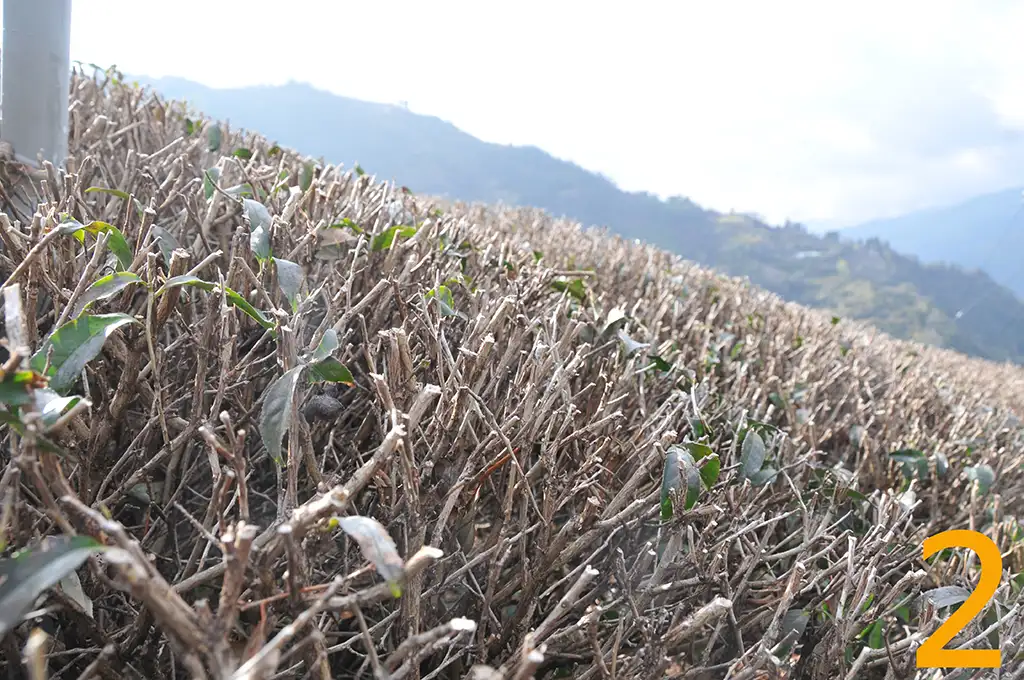
When sourcing tea, I always look for plantations where the bushes are kept neat and low. Dwarfing means the tea trees are regularly pruned (Fig. 2), and the new shoots that grow back yield much better quality tea than older branches. Plus, keeping the bushes short helps with nutrient and water transport, leading to higher yields overall. It’s safe to say it has countless benefits.
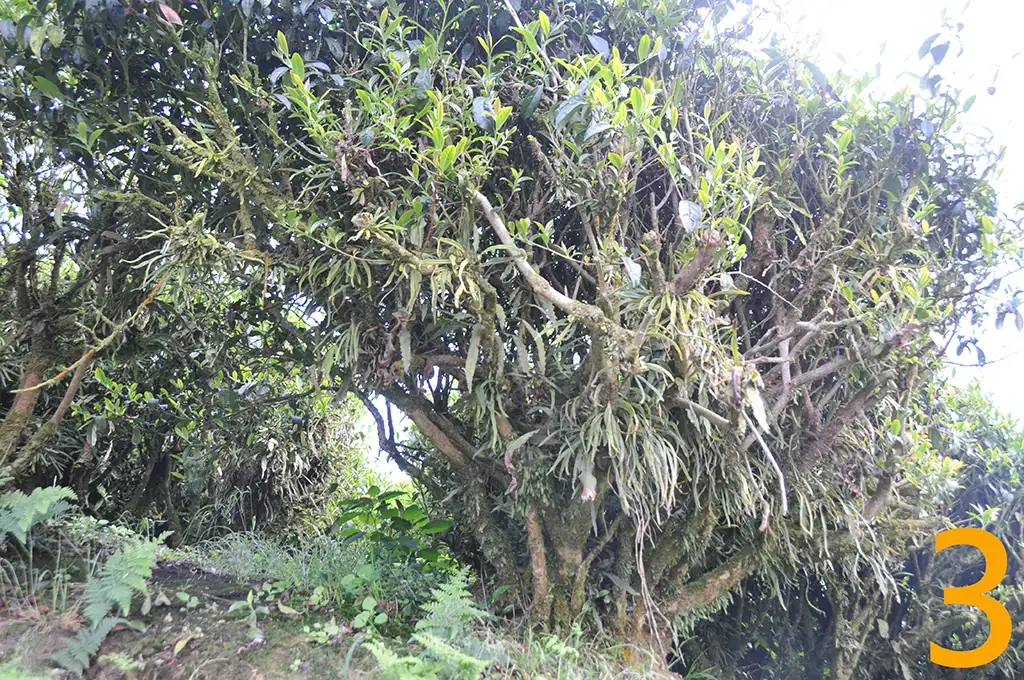
The downside is that pruning requires manual labor, and the harvest for the next season will drop significantly. Perhaps because of this, many tea growers neglect dwarfing—figuring that tea sells easily anyway, so they might as well save some effort and only prune once in a blue moon. The common denominator among these tea trees is that they grow very tall, with thin, fragile leaves overrun by ferns (Fig. 3). You can find this situation in major tea regions everywhere, even in high-end areas like Lishan and ShanLinXi, where many plantations are pruned only once every few years. Naturally, tea grown from overly tall trees can’t possibly be of top quality. This goes to show that high-end tea regions don’t automatically guarantee great quality—it all comes down to how well the garden is managed.
Sharing a little secret with you all: tea trees that have undergone medium or deep pruning have a very high chance of producing great tea in the “following two seasons.” Because the leaves grow from new branches, and with fewer leaves, they receive a higher share of nutrients, the yield of quality tea is much higher.