
I know many of you already know this, but if even one person doesn’t, then sharing this little chat today is worth it! 😊
================
How many times can tea be harvested in Taiwan in a year? Lowland tea can be harvested 6 to 8 times: spring tea twice, summer tea, autumn tea, winter tea, and Winter Sprout Oolong, making 6 times in total. Newer varieties like Four Seasons Spring and JinXuan can grow an extra crop or two, totaling up to 8 harvests. As for high mountain tea, some tea lovers have said, “Isn’t high mountain tea only harvested in the spring and winter?” That’s honestly wishful thinking. High mountain tea can actually be harvested 5 times, and the manager has even heard of 6 harvests, even in very high-altitude tea gardens.
However, harvesting high mountain tea 5 times a year is a bit off the beaten path, and normal tea farmers won’t harvest that often. Farmers focused on quality generally only harvest three seasons—spring, autumn, and winter—and let the tea plants rest the rest of the time. Average tea farmers usually add either summer tea or Winter Sprout Oolong, making 4 harvests in total. Those in a rush to make money will do spring, summer, autumn, winter, plus Winter Sprout Oolong. But this harvesting method is really hard on the tea plants, and very few people do it.
The most extreme high mountain tea harvesting method goes like this: March, May, June, August, November, and January of the following year, for a total of 6 harvests. The wild part is that after the June harvest, they use machines to clip them once more (shearing off the remaining 4th and 5th leaves). Word has it these old leaves are used as raw material for black tea, which means the tea garden gets harvested 7 times a year. That is seriously intense.
================
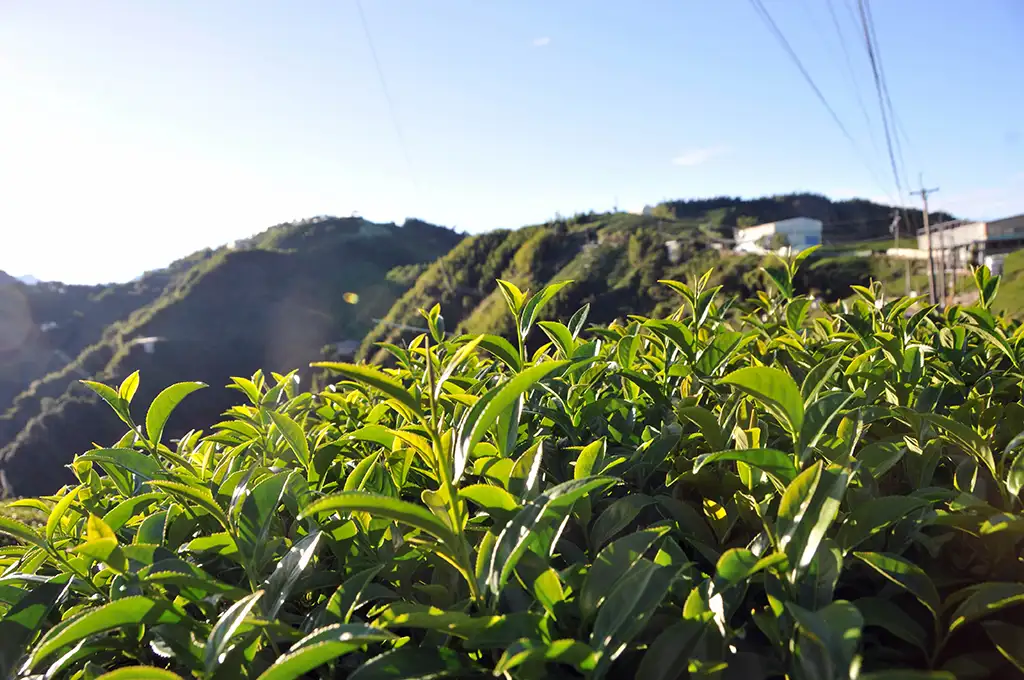
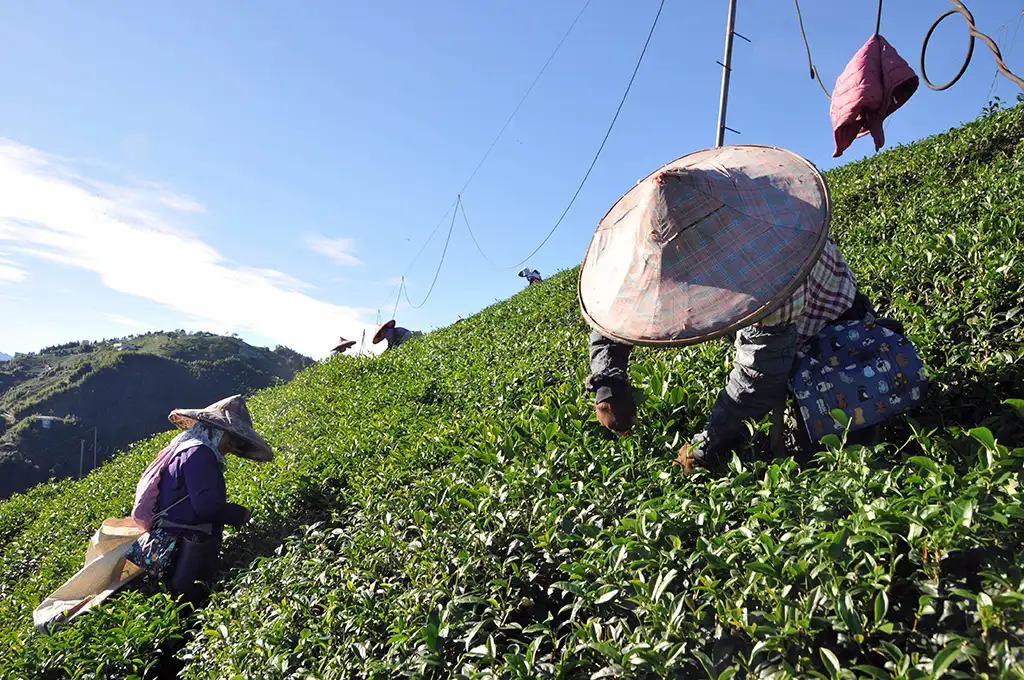
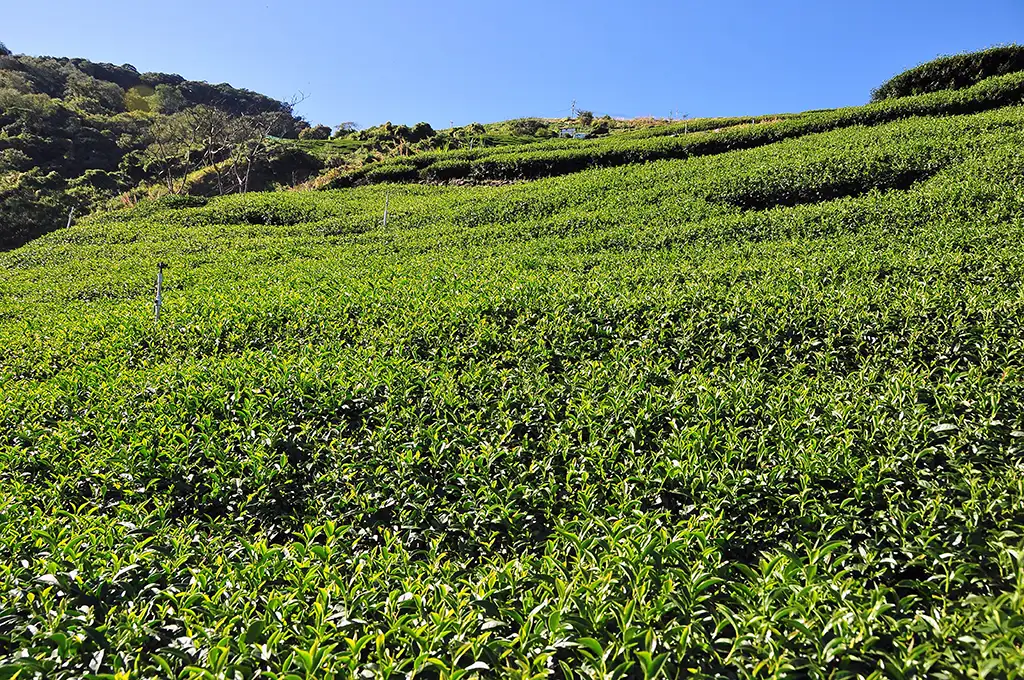
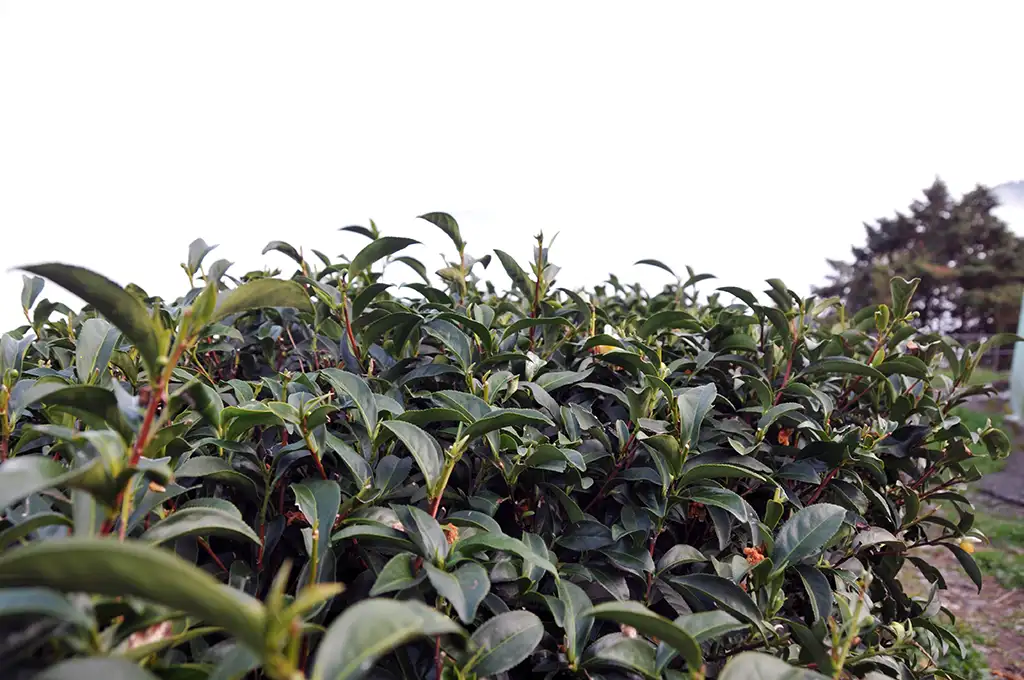
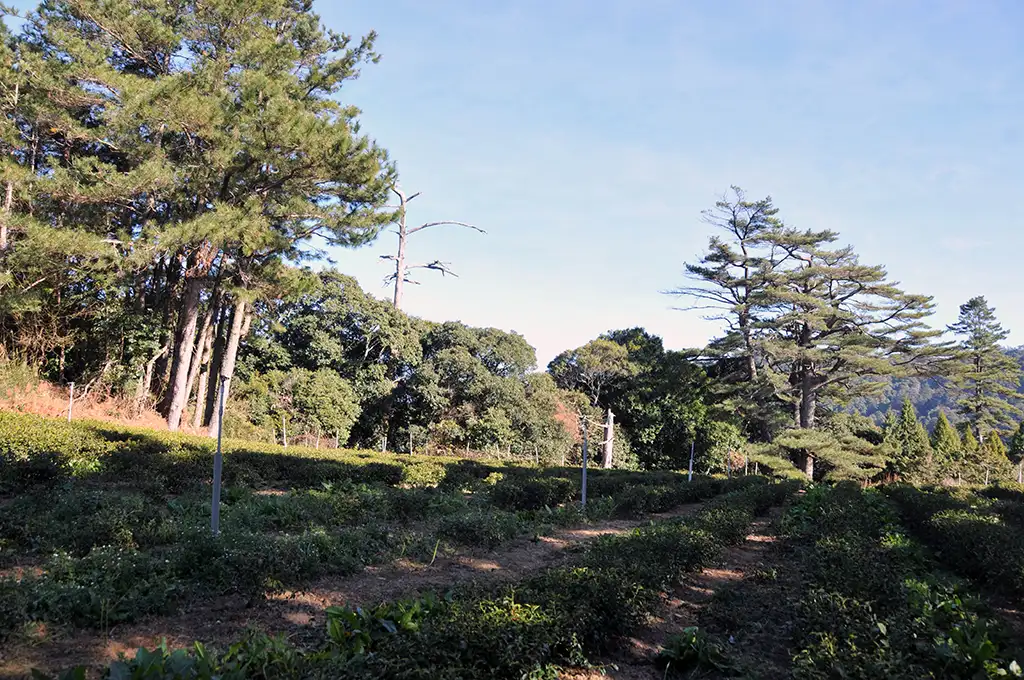
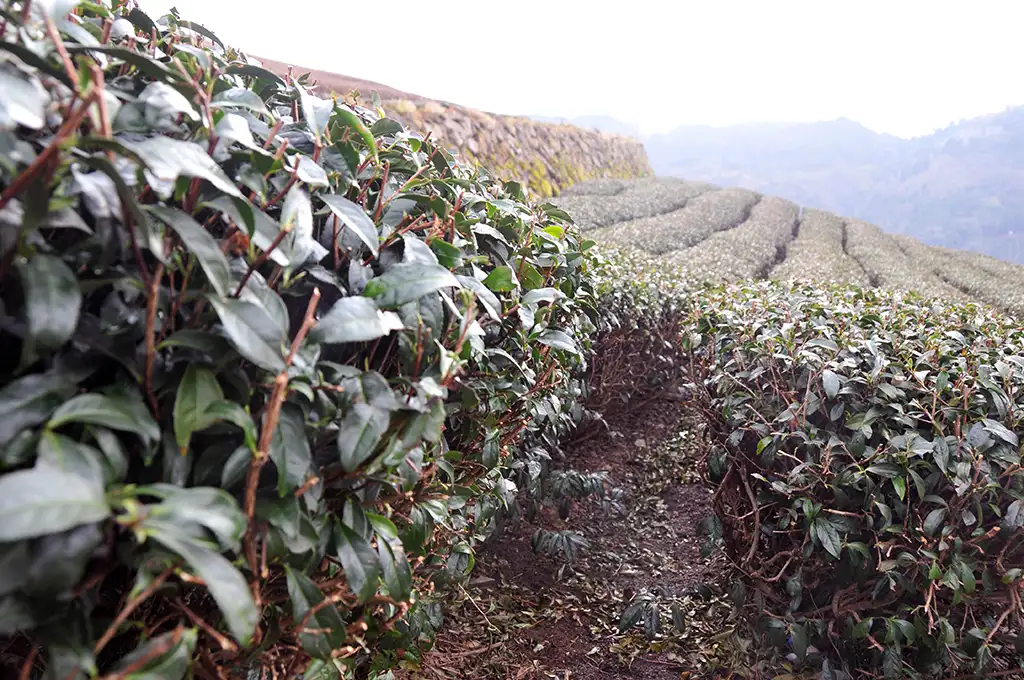
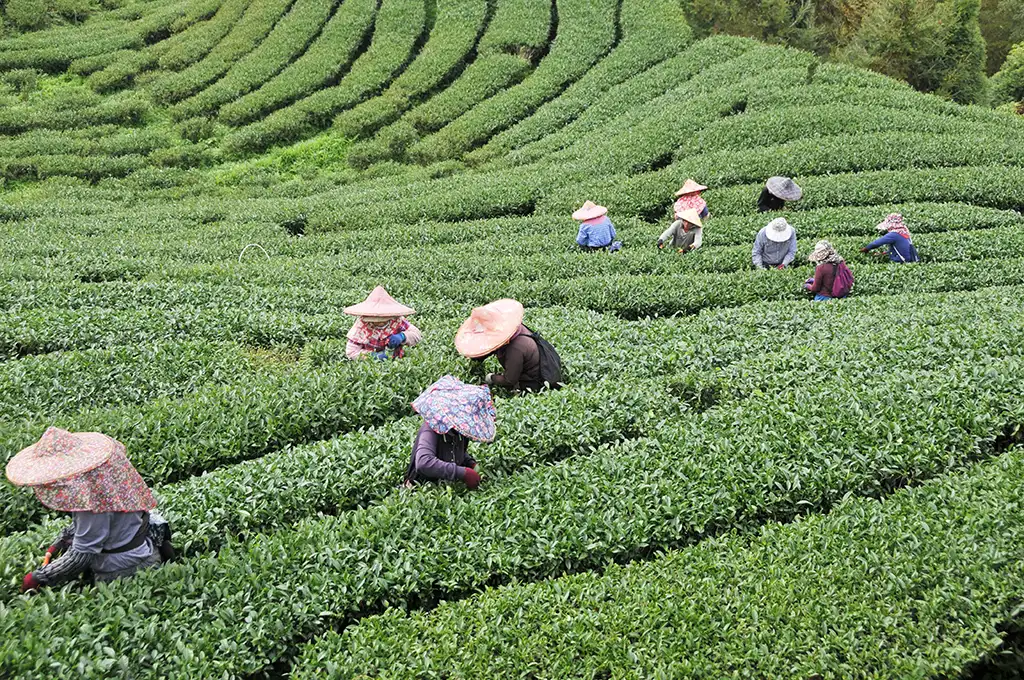
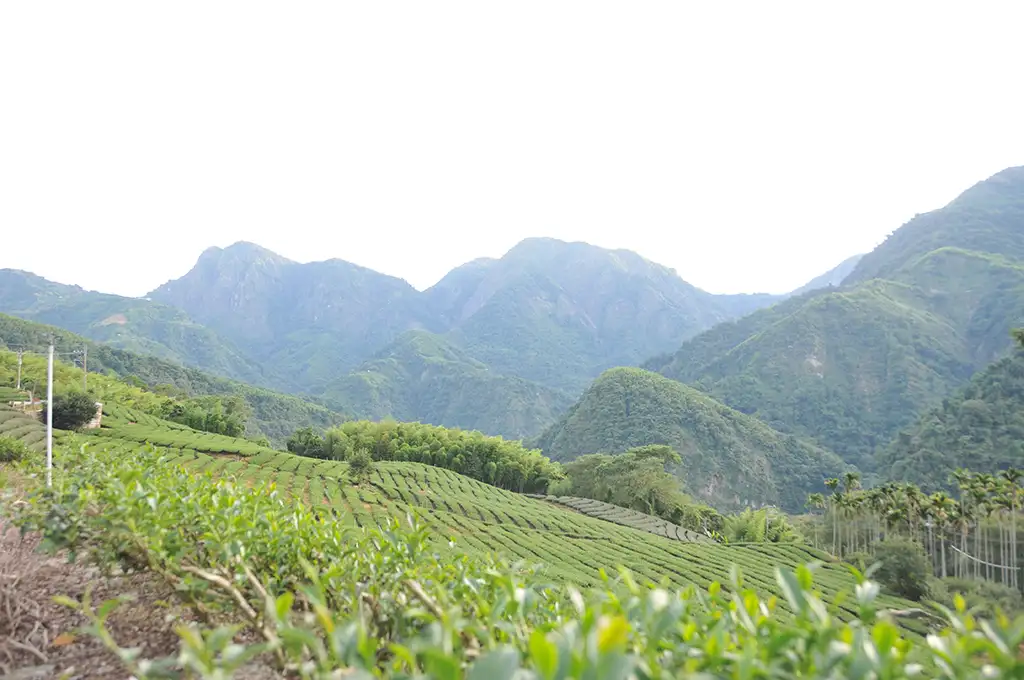
But seriously, harvesting high mountain oolong tea more than four times a year is a huge no-no. It really damages the tea plants, making them weaker year after year. Even so, harvesting high mountain oolong more than four times is definitely a thing, and there are quite a few who do it—even up in the ultra-high altitude Lishan region. Every time the shop manager walks past these tea gardens, it feels like the tea bushes are overworked laborers with no time to rest 😵💫