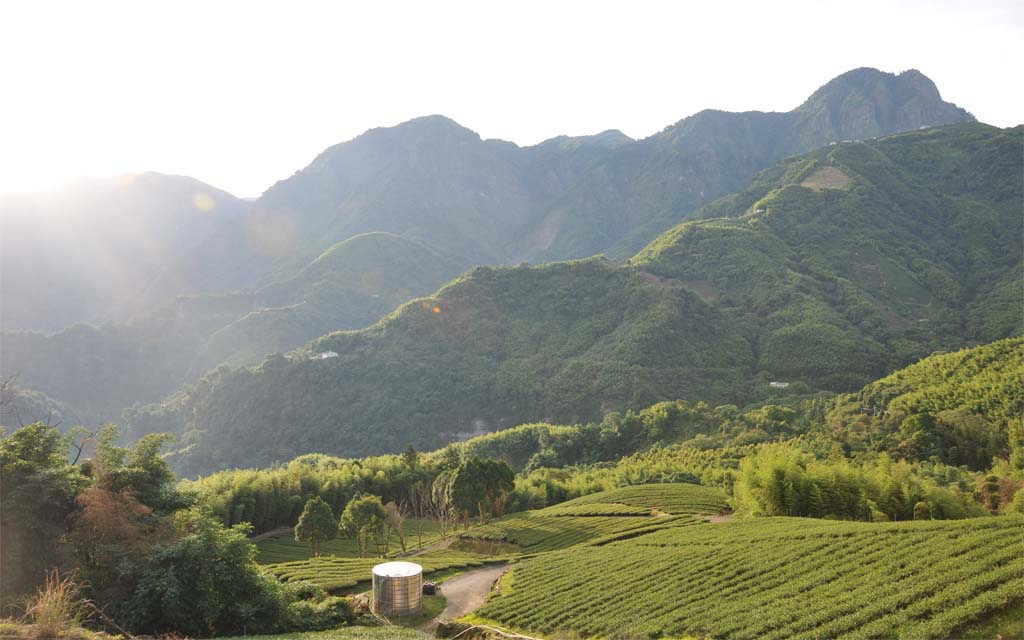
Sancengping Tea Region: Sancengping High Mountain Tea Grown at an Altitude of 1,750 Meters

Located in Zhushan Township, Nantou, Sancengping Tea Region is the southernmost part of the ShanLinXi tea family. Reaching altitudes up to 1,750 meters, Sancengping High Mountain Tea offers rich aromas, a smooth mouthfeel, and a lingering sweet aftertaste, making it a premier ShanLinXi tea origin.

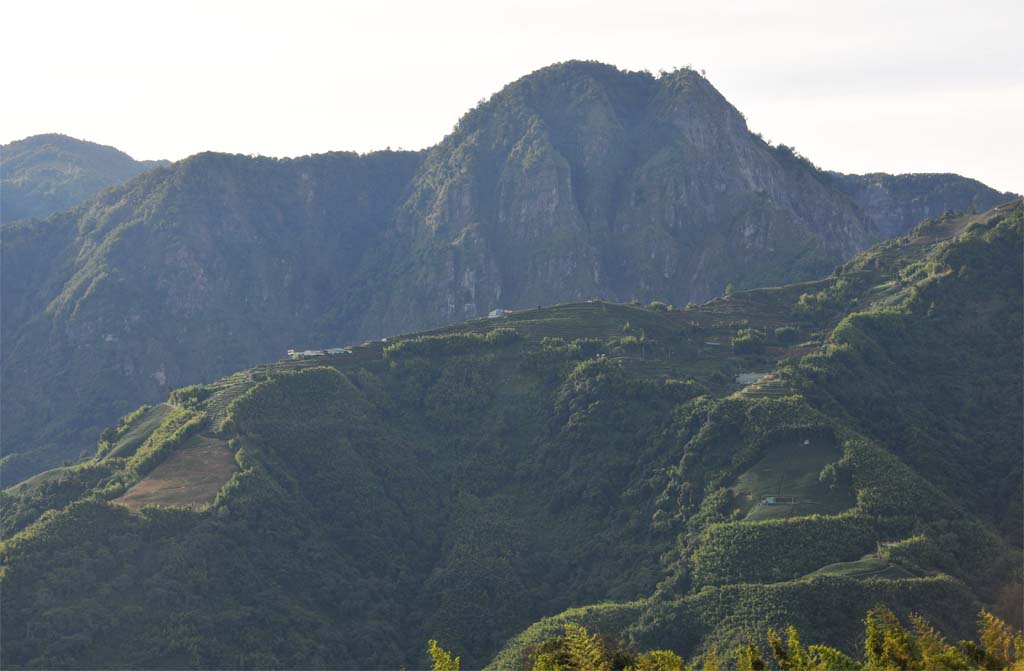
Sancengping Tea Area

Table of Contents

Sancengping Tea Region Reaches Altitudes Up to 1,750 Meters

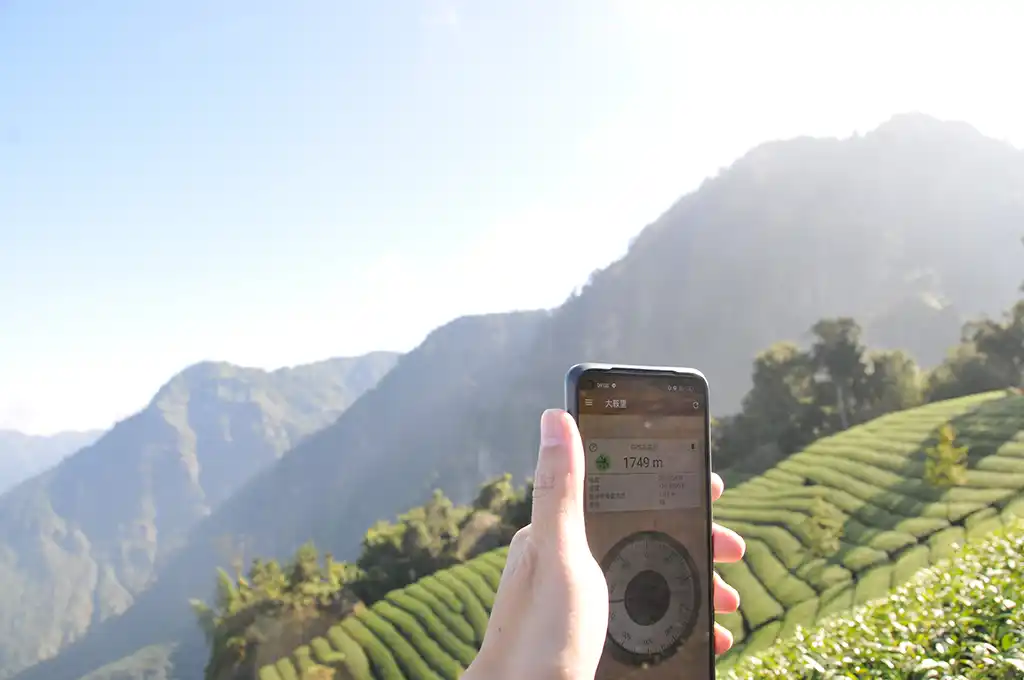
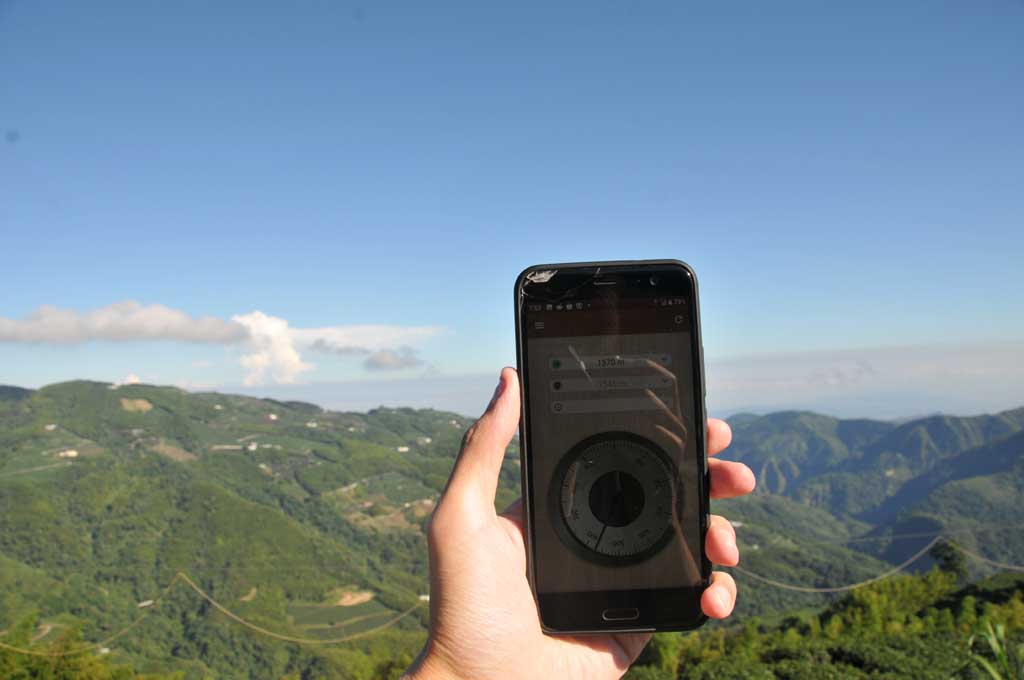
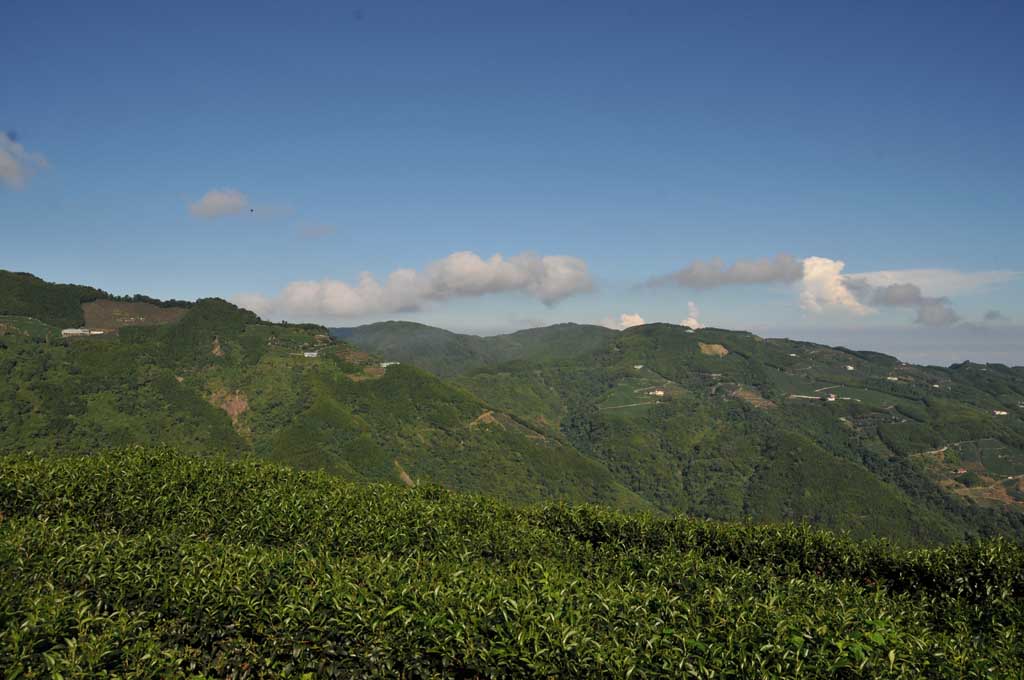
The lowest elevation is 1,300 meters, with the highest around 1,750 meters. The photo below was taken at the top of the Sancengping Liurengong tea garden. A mobile app measured the altitude at 1,749 meters; since the app uses Google mapping data, the accuracy should be quite reliable.

Comparing peak elevations, Sancengping tea ranks right behind “Forgotten Forest Caodaizi (up to 1,950 meters)” and the “LongFengXia Tea Region (up to 1,800 meters),” making it the third-highest tea region in the ShanLinXi system.

Altitude of Sancengping Tea Area

The Flavor of Sancengping High Mountain Tea

The store manager considers it “quite impressive,” with an average quality in ShanLinXi second only to LongFengXia and on par with Fanzitian. When weather conditions are favorable, the tea delivers rich aromas, a smooth mouthfeel, and a sweet aftertaste—truly top-tier ShanLinXi tea. Thanks to the exceptional high-altitude environment, the autumn harvests sometimes rival the spring teas of other regions!

Store Manager's Review of Sancengping Tea

In the store manager’s eyes, both Sancengping and Fanzitian consistently produce great teas and offer better value for money than LongFengXia. Because Fanzitian has a larger yield, the manager usually checks Fanzitian first and only visits Sancengping when time permits. If a great tea is found at Fanzitian, Sancengping gets skipped.

Until about four or five years ago, when Fanzitian couldn’t find any good tea, we decided to check out Sancengping. To our surprise, the store manager stumbled upon an exceptional batch of tea. It tasted so incredible that the manager even suspected the tea master had added artificial flavorings (though they definitely hadn’t), and the aftertaste was simply amazing. I bought up the last 4 packages of that spring tea and took them home; I remember being overjoyed that day. We’ve had a few similar surprises since then. Once, it was even an “autumn tea.” The tea farmer sent it over and called it autumn tea; if they hadn’t told us, we wouldn’t have believed such top-tier quality could come from the autumn harvest. After those experiences, the manager learned never to underestimate Sancengping.

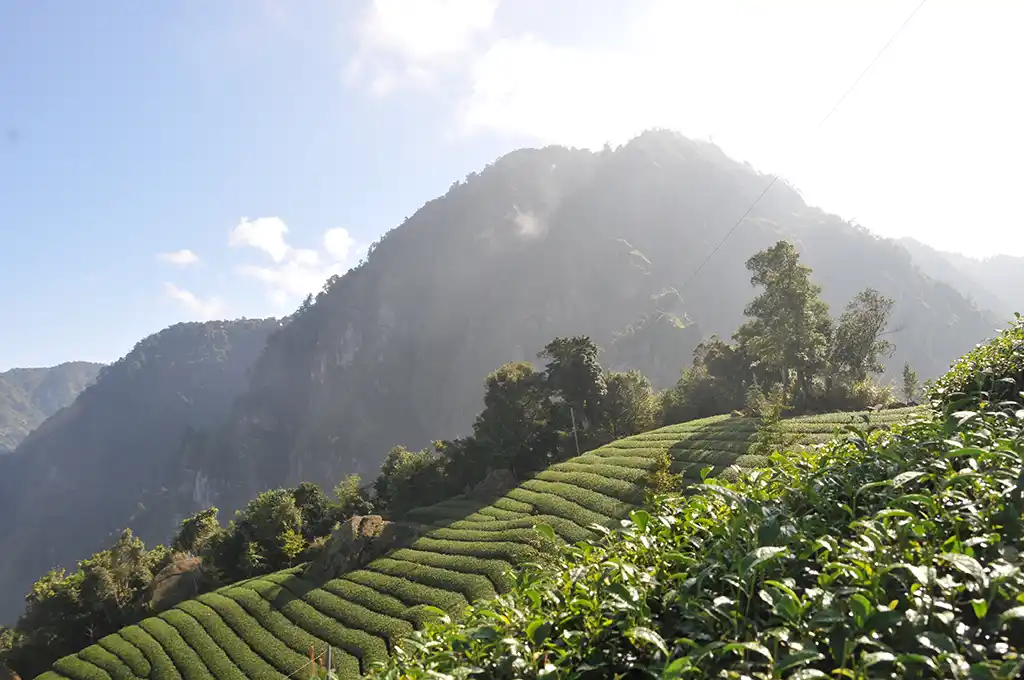
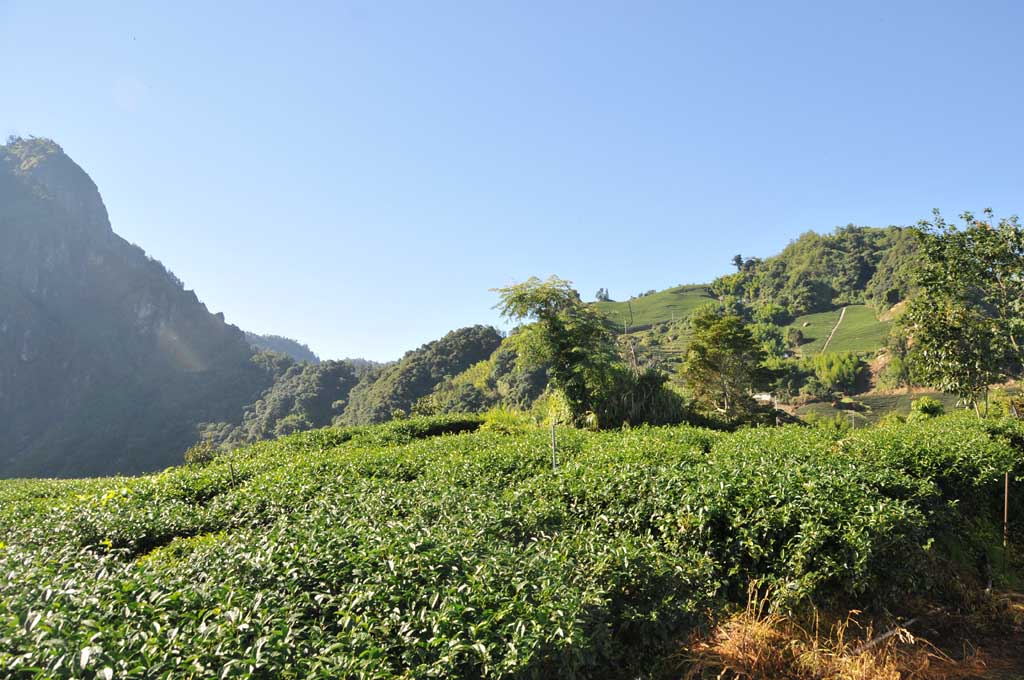
Sancengping Tea Area

That said, I should emphasize that LongFengXia still has a higher success rate for top-quality tea than Sancengping. It’s just that Sancengping has left a profound impression on the manager in recent years, and its value for money is far higher than LongFengXia’s.

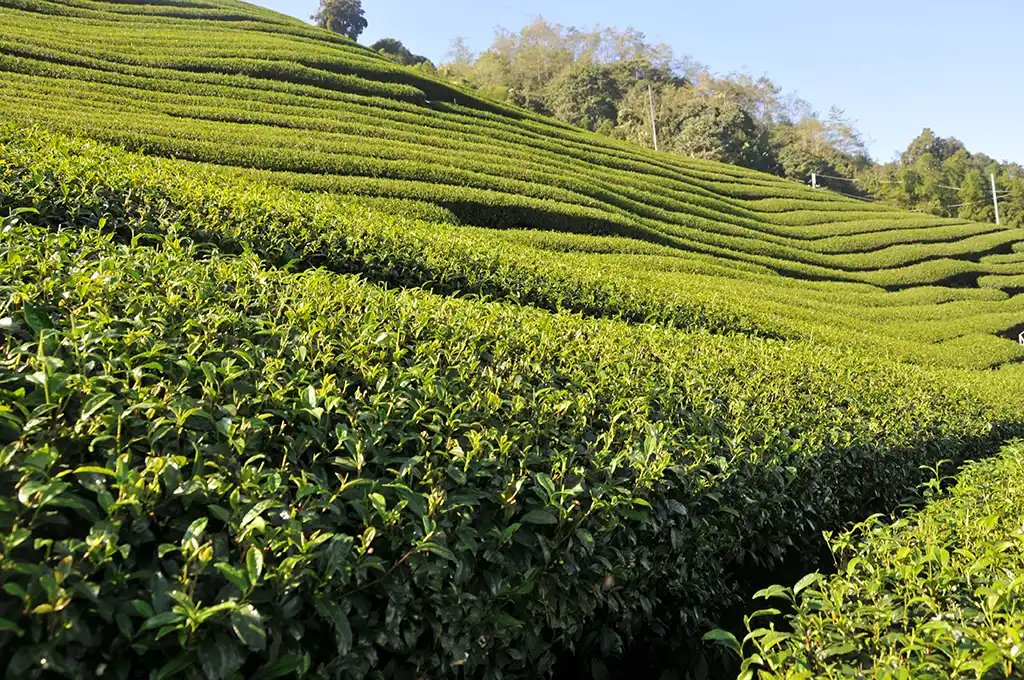
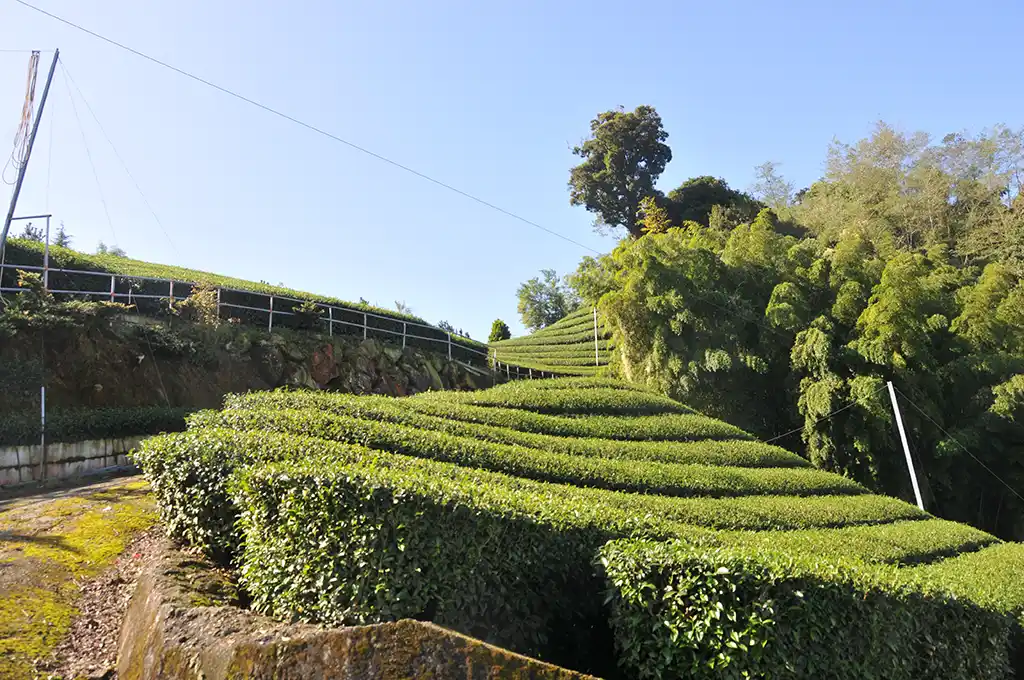
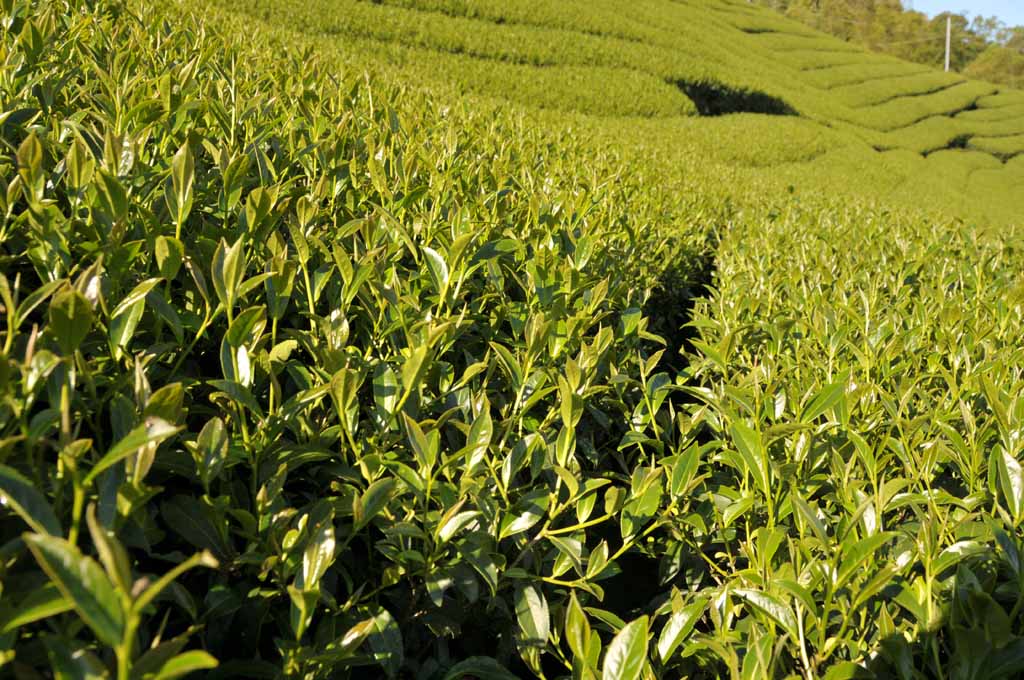
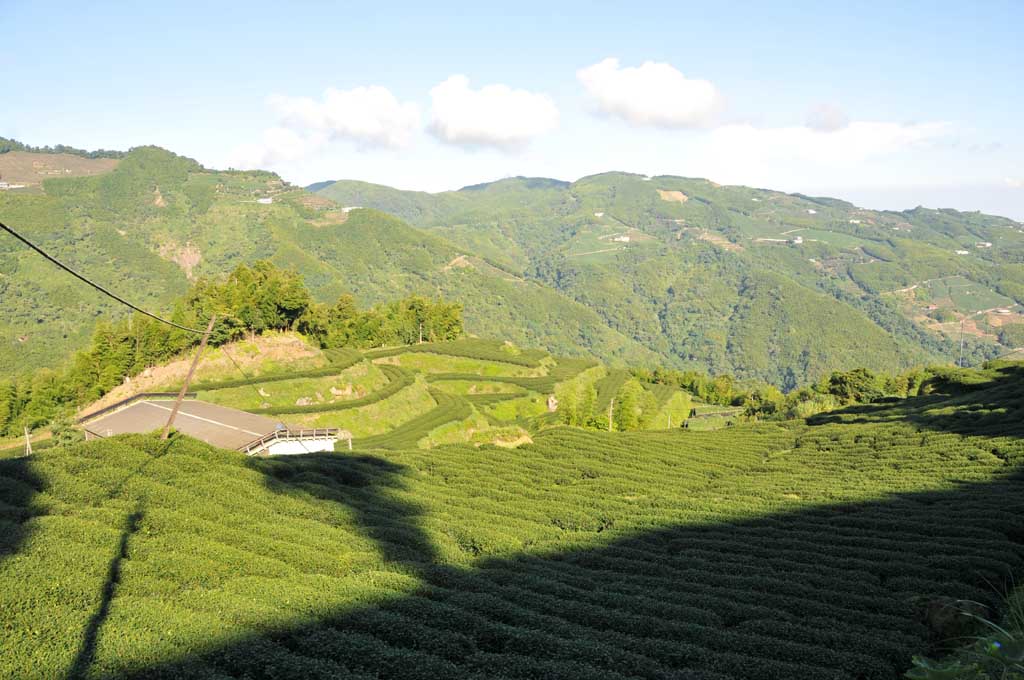
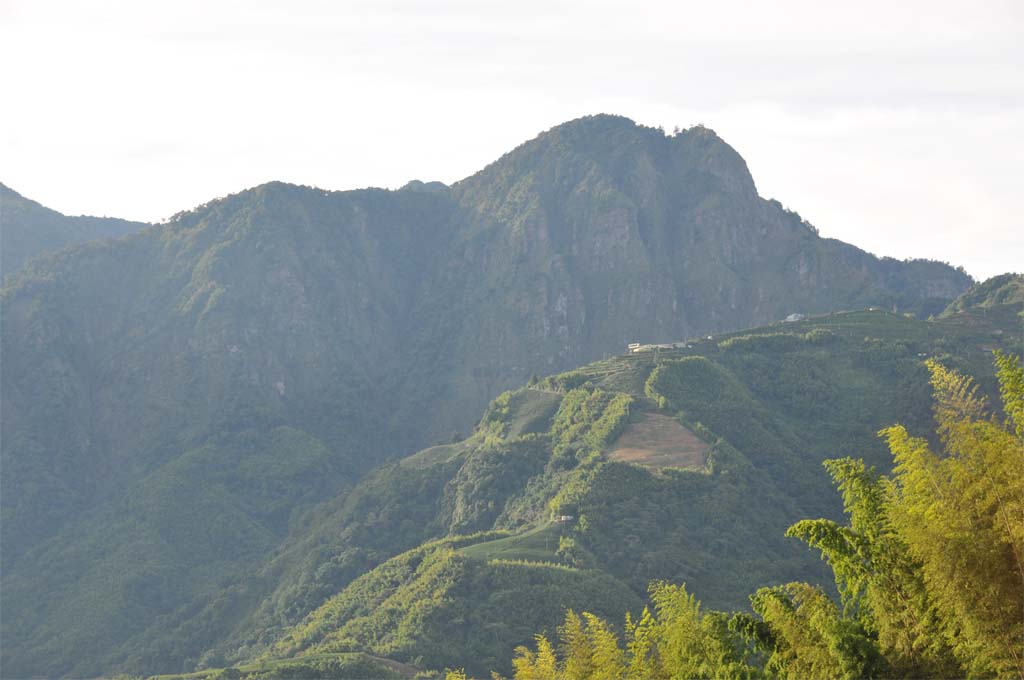
Sancengping tea plantation photo

Sancengping Tea Region FAQ

What does the store manager think of the flavor of Sancengping tea?

It’s fantastic! The batches we’ve sourced in recent years have all received great reviews. The highest point, Sancengping Liurengong, sits at a very high altitude, and the tea plantations are exceptionally well-managed!

What does "Liurengong Tea Plantation" mean?

In Taiwanese Hokkien, it means “jointly owned by six people,” referring to a tea plantation shared by six individuals (though it was actually only three owners, the farmers felt six was a luckier number than three).

How do I drive to the tea region?

One route is via Township Road 54, turning onto the Daan Forest Trail branch. Another is via Provincial Highway 149 Line A, taking the Caoling Highway toward Shibi, and then connecting to the Daan Forest Trail branch. The scenery is gorgeous (and this route is a bit easier to drive). You can use GPS navigation to head to the Sancengping Observation Deck.

What tea varieties are available, and when are the spring and winter harvests?

The main variety is Qingxin Oolong, along with small quantities of JinXuan and Yingxiang tea. Spring tea is harvested in April and May, autumn tea in August and September, and winter tea in October and November. We also carry small amounts of black tea, Winter Sprout Oolong, and white tea.

Shopping Cart