
Customer question: What are the characteristics of Dayuling Oolong Tea? Why is Dayuling Oolong Tea on the market so expensive and non-negotiable? An introduction to Dayuling Oolong Tea would also be great. Thank you.
Introduction to Dayuling Oolong Tea
Dayuling is located at the intersection of Taichung, Nantou, and Hualien. The Dayuling tea region is situated in Ren’ai Township, Nantou County, roughly between the 97km and 105km markers of the Central Cross-Island Highway. At an altitude ranging from 2,200 to 2,800 meters, it is the highest high-mountain tea region in the world. The tea produced here is collectively known as Dayuling Oolong Tea.
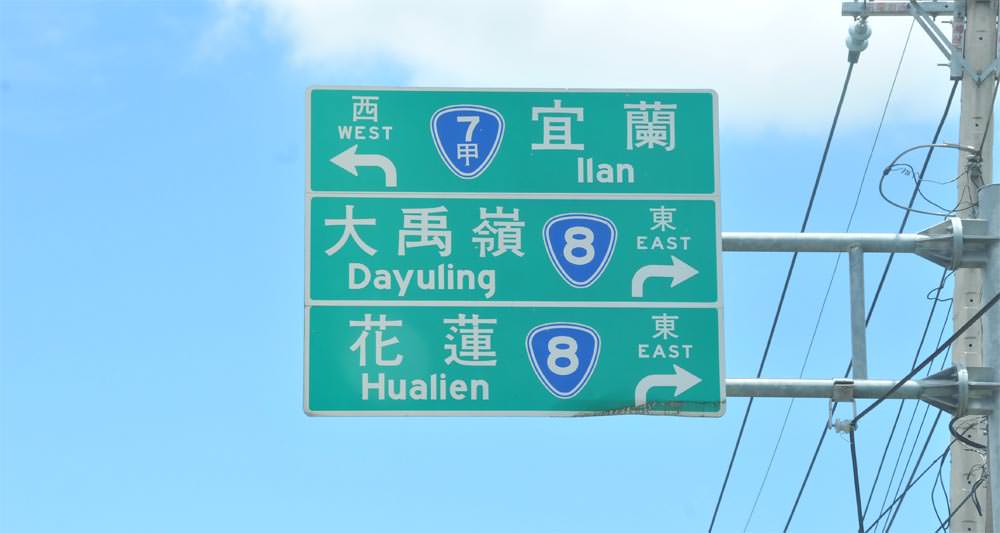
▲ Dayuling tea is located at the intersection of Hualien, Taichung, and Nantou.
Characteristics of Dayuling Oolong Tea
The distinctive characteristics of Dayuling Oolong Tea stem primarily from its high altitude, which imparts a unique lingering flavor to the leaves. Some describe this flavor profile as having a cool, mineral quality, while others compare it to a mountain aroma; in short, it is exceptionally unique. Furthermore, due to the high altitude and low temperatures during the growing season, the tea plants grow slowly. Slow-grown tea leaves naturally contain less bitterness and astringency. Combined with the frequent use of organic fertilizers, the leaves develop a rich pectin content, making the brewed tea remarkably tender and smooth.
The high price of tea from this region is mainly due to its exceptional quality and limited yield. Combined, all the tea gardens from the 97km to 105km marks of the Central Cross-Island Highway produce only 10,000 kg a year. This 10,000 kg has to supply tea lovers in Taiwan, mainland China, Hong Kong, Japan, Europe, and the US, resulting in a severe shortage and very high prices. Wholesale prices at the origin typically range between NT$4,000 and NT$10,000, putting the market retail price around NT$5,000 to NT$12,000.
Despite the high price tags, because of the outstanding quality and unique flavor profile, the tea always sells out shortly after release. In recent years, due to soil and water conservation policies, the Taiwanese government has reclaimed many Dayuling Oolong tea gardens, and yields are expected to decrease further. If you haven’t tried it yet, we recommend grabbing some to taste—otherwise, Dayuling Oolong Tea might not even be available in a few years.
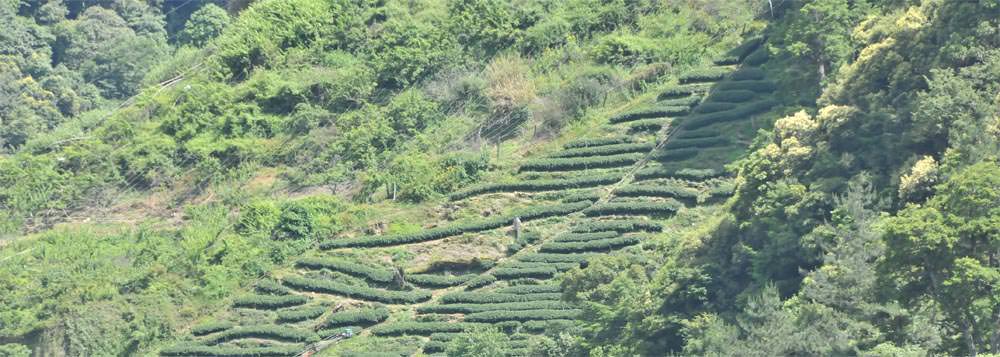
▲ The Dayuling Oolong tea region features high altitudes and steep slopes, making production and harvesting difficult.
2022 Addendum: Most Dayuling tea gardens have been reclaimed by the Taiwanese government, and many tea trees have been cut down. Currently, the total annual tea production is down to only 4,200 kg.