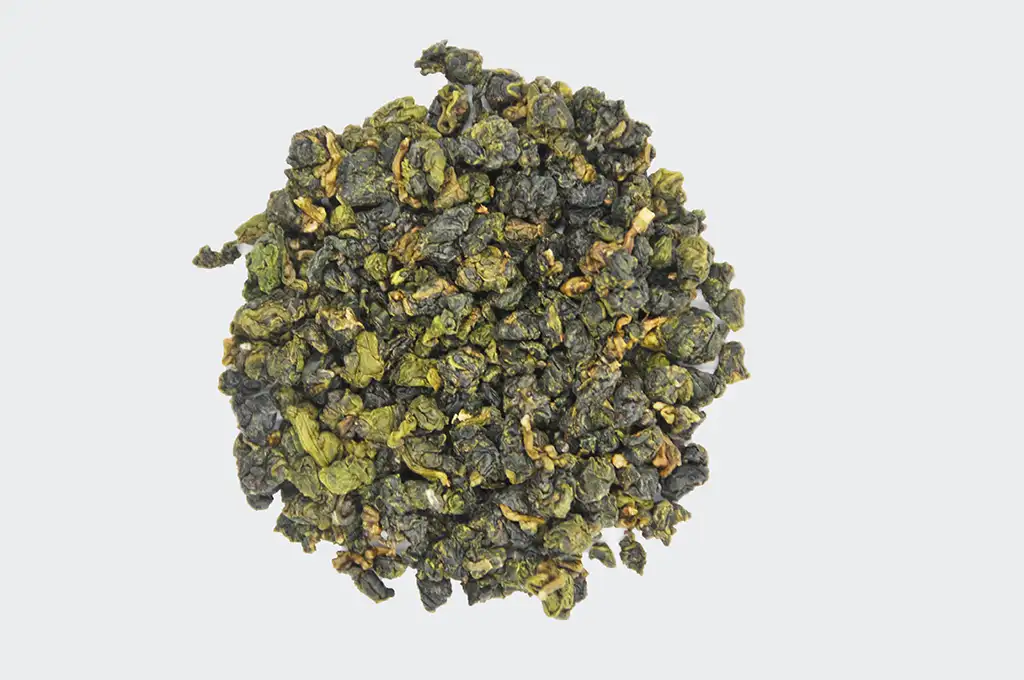
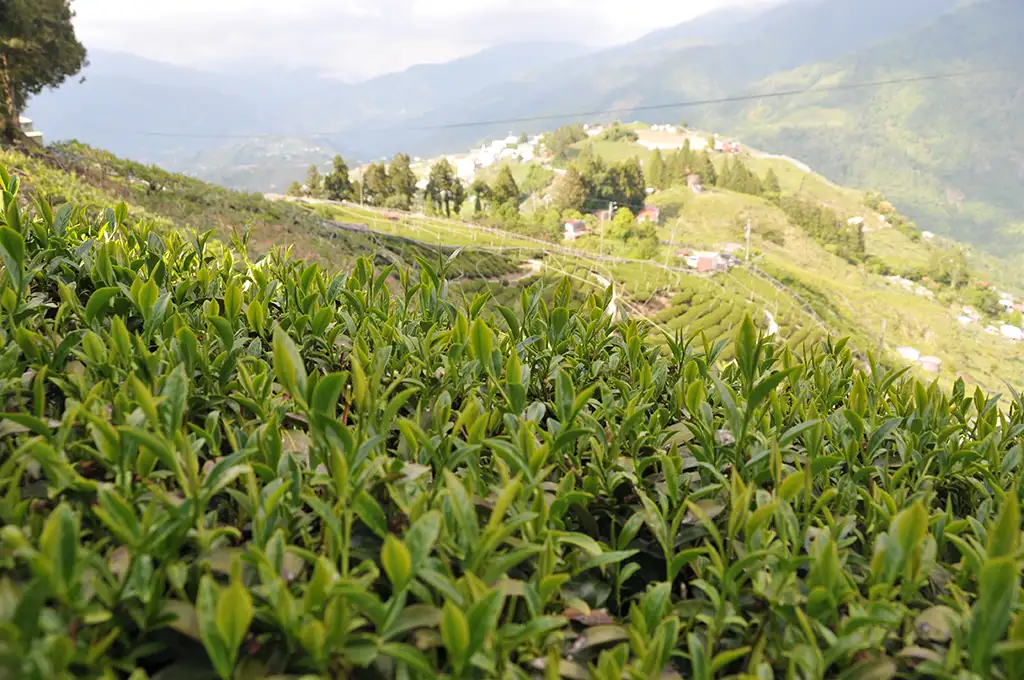
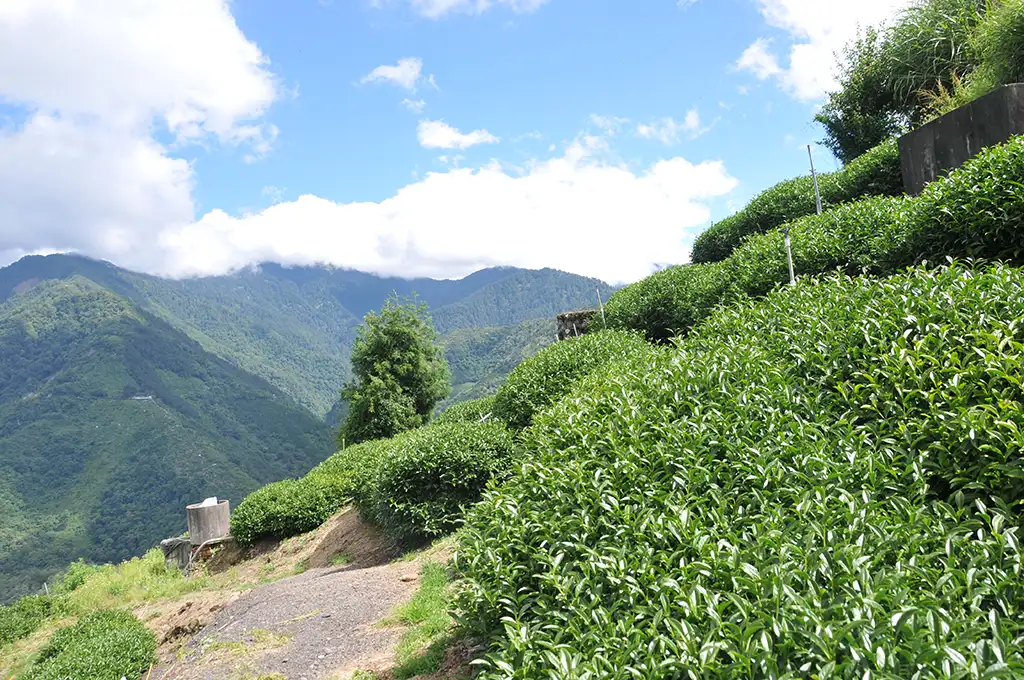
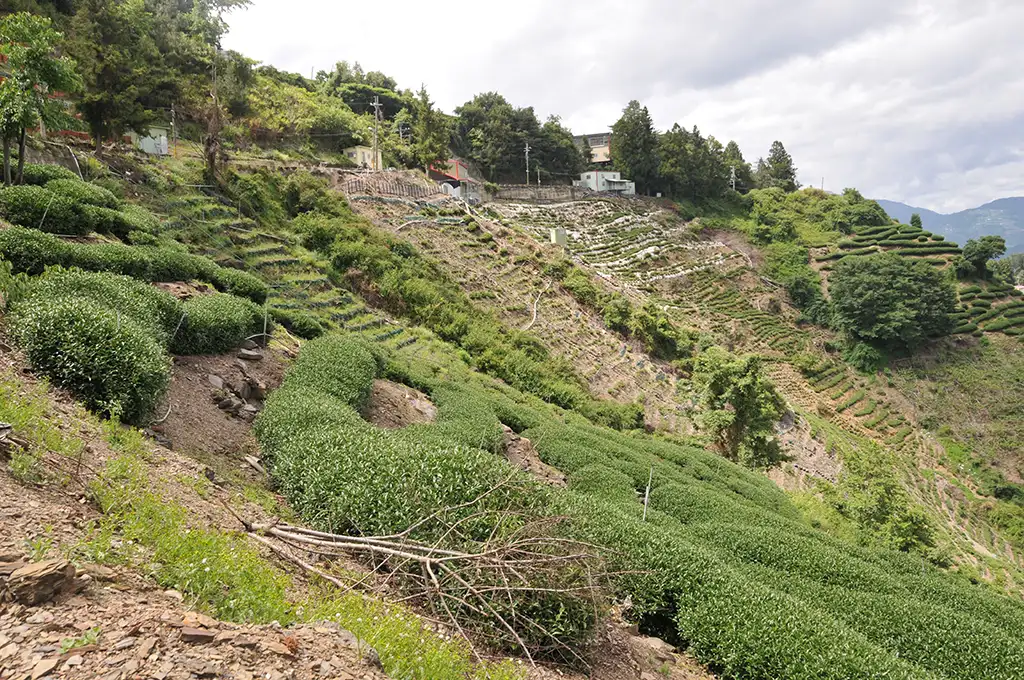
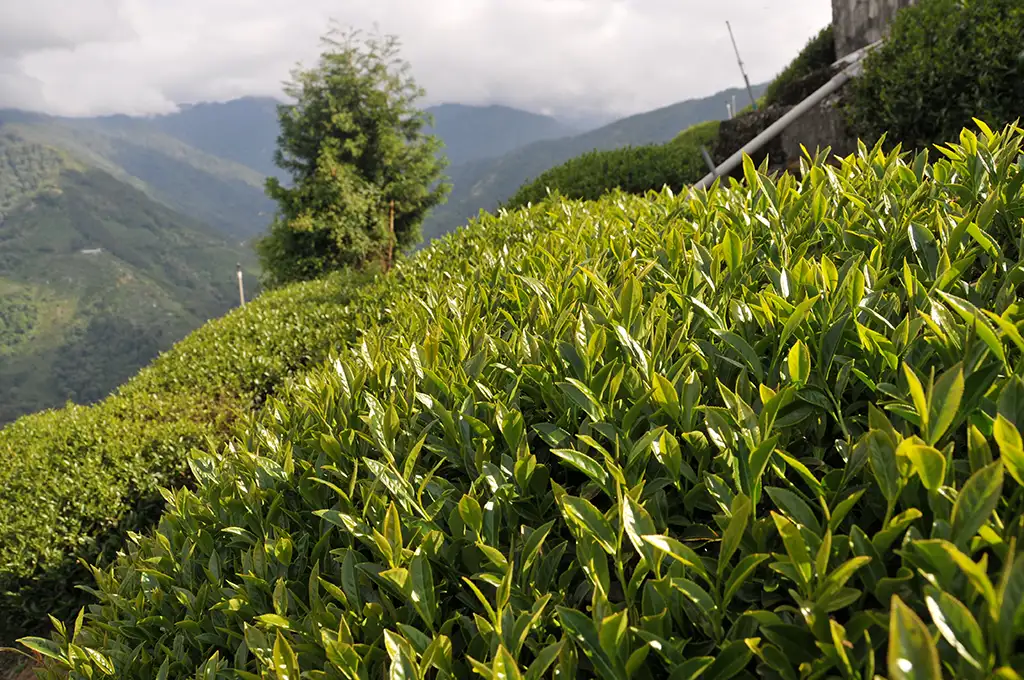
Fushou Lishan tea is commonly known as “off-farm tea,” referring to tea produced in private tea gardens located just outside Fushou Shan Farm. Grown in Lishan Village, Heping District, Taichung City, it shares the same orientation and altitude as Fushou Shan tea, and is considered comparable in flavor and quality. Almost all Fushou Lishan tea is crafted into lightly fermented Oolong tea.
Limited-Yield Fushou Lishan Tea
Fushou Shan Farm began cultivating tea in the 1980s. Thanks to its superior altitude and orientation, it quickly became a representative high mountain tea origin in Taiwan. Endorsed by former presidents, high-ranking officials, and celebrities, retail prices soar starting at NT$5,000 per 600 g, yet demand still outstrips supply. Since the 1990s, private tea gardens adjacent to Fushou Shan Farm have also started growing tea. Because “Fushou Shan” is trademark-protected, these private farms market their harvests under the name “Fushou Lishan Tea.”

Read more: Introduction to Off-Farm Tea
Coming from the same mountain range, Fushou Lishan tea shares a similar mouthfeel to Fushou Shan tea, but is priced at just half to two-thirds of the farm’s tea, making it a popular alternative choice. In recent years, private producers have dedicated themselves to refining their tea-making techniques, and the quality of Fushou Lishan tea is now considered on par with Fushou Shan Farm, cementing its status as a premium Lishan high-end tea origin.
The Price of Fushou Lishan Tea
Once viewed simply as an alternative when Fushou Shan tea was out of reach, Fushou Lishan tea has gradually risen in fame to become a high-priced tea in its own right. Although it costs about half as much as Fushou Shan tea, it still runs NT$4,000–$6,000 per 600 g, with autumn harvest fetching around NT$2,500–$3,000. It is certainly not inexpensive by any measure.
Liao Chang Xing's Review of Fushou Lishan Tea
An exceptional tea. The premium high-altitude environment gives Fushou Lishan tea an incredibly high ceiling. While it is on the pricier side, the higher returns allow farmers to invest more in fertilizers and tea factory equipment. As a result, Fushou Lishan tea represents the absolute pinnacle of Taiwan’s high mountain teas in both plantation management and tea-making standards. However, because the elevation here is extremely high, certain tea gardens are simply too cold in the winter, leading to poor growth—making those batches not worth the hefty price tag.