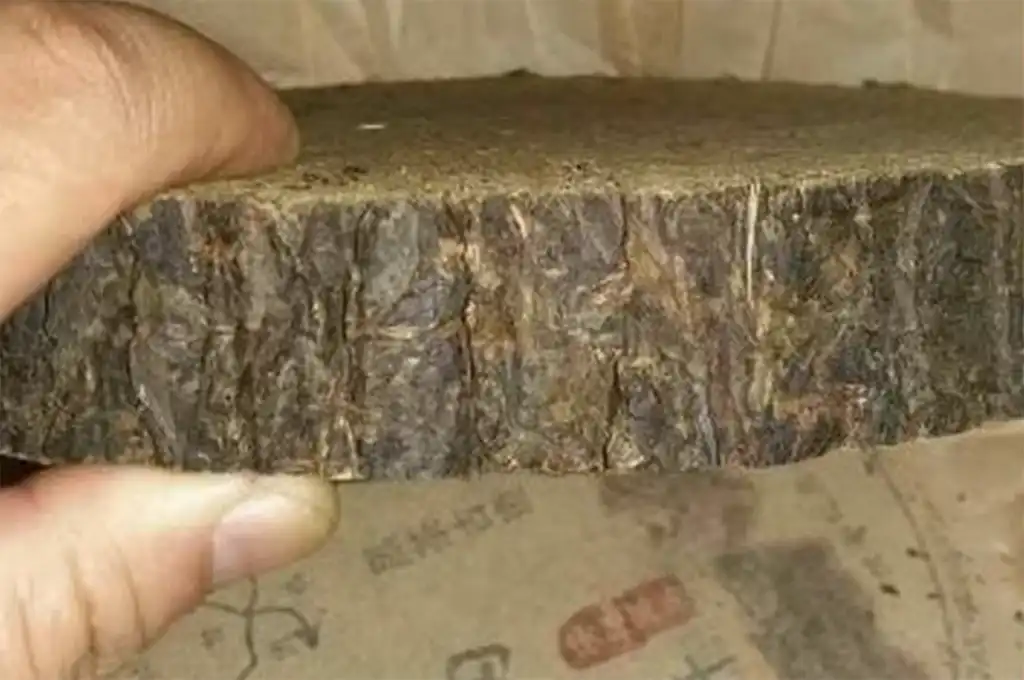
Anhua Thousand-Liang Tea: The Scroll Tea of Anhua Dark Tea

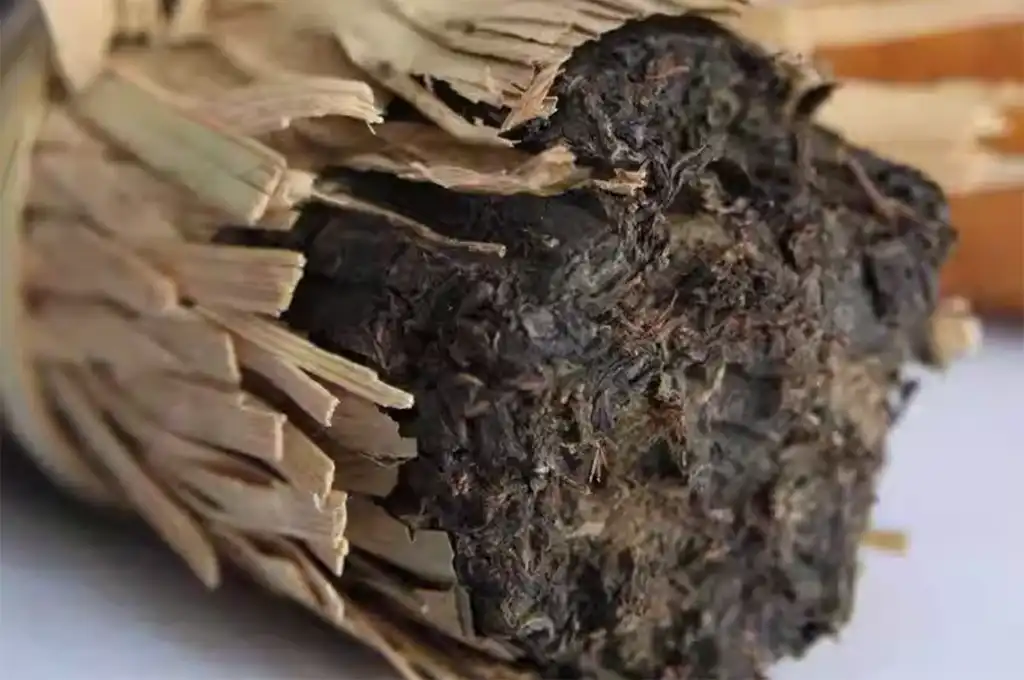
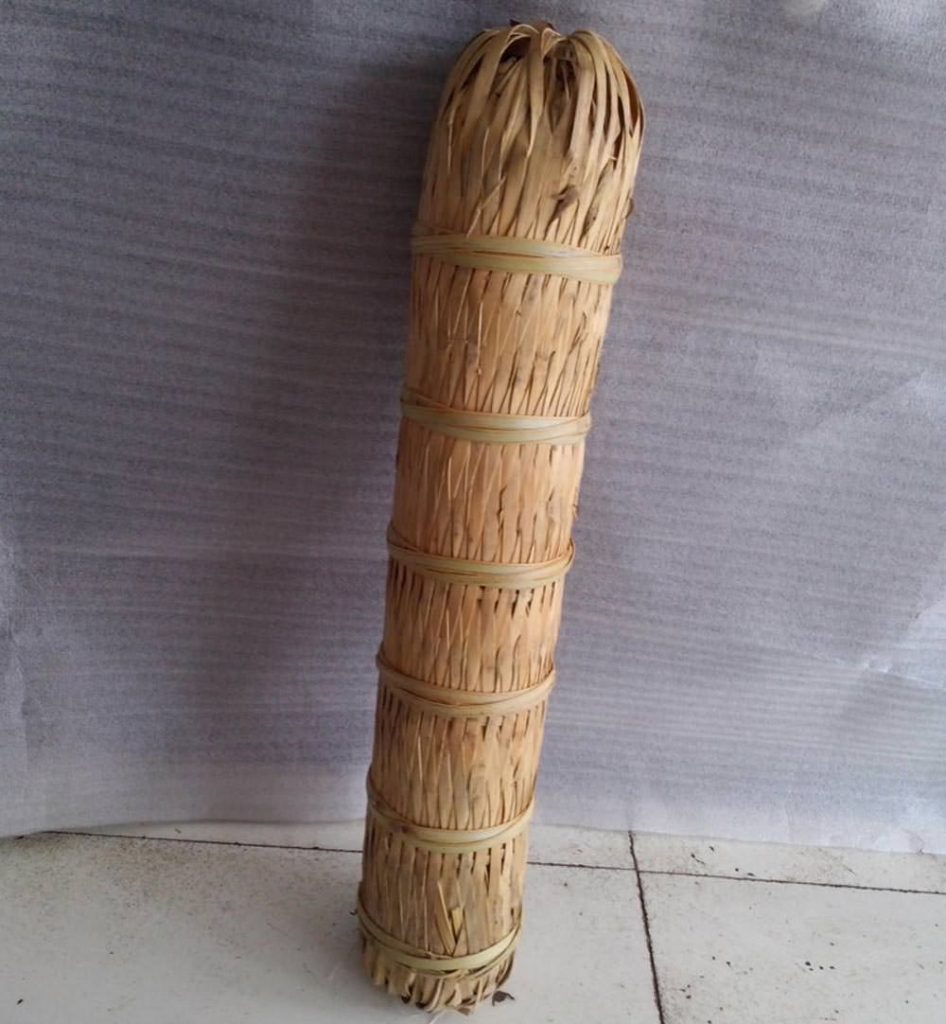
Anhua Thousand-Liang Tea belongs to the “flower roll” category of Anhua dark teas, which are post-fermented dark teas. It gets its name from its standard weight of 1,000 liang. A defining characteristic of Anhua Thousand-Liang Tea is that after the loose raw tea is processed, it is tightly wrapped in bamboo and palm leaves into a cylindrical shape, which not only facilitates transportation but also aids in the aging of the tea.

Anhua Qianliang Tea

Origins and Development of Anhua Thousand-Liang Tea

The origins of “Anhua Thousand-Liang Tea” trace back to before the first year of the Daoguang Emperor’s reign in the Qing Dynasty (1821). At that time, Shaanxi merchants compressed loose dark tea into packages by foot-treading to make it easier to transport the tea via donkeys and horses back to Shaanxi. The earliest version was the “Hundred-Liang Tea,” weighing about 100 liang. During the Tongzhi period of the Qing Dynasty (1862–1874), the Shanxi merchant tea house “Sanhegong” built upon this foundation by further increasing the weight to 1,000 liang, creating the much more renowned “Thousand-Liang Tea.”

Anhua Qianliang Tea

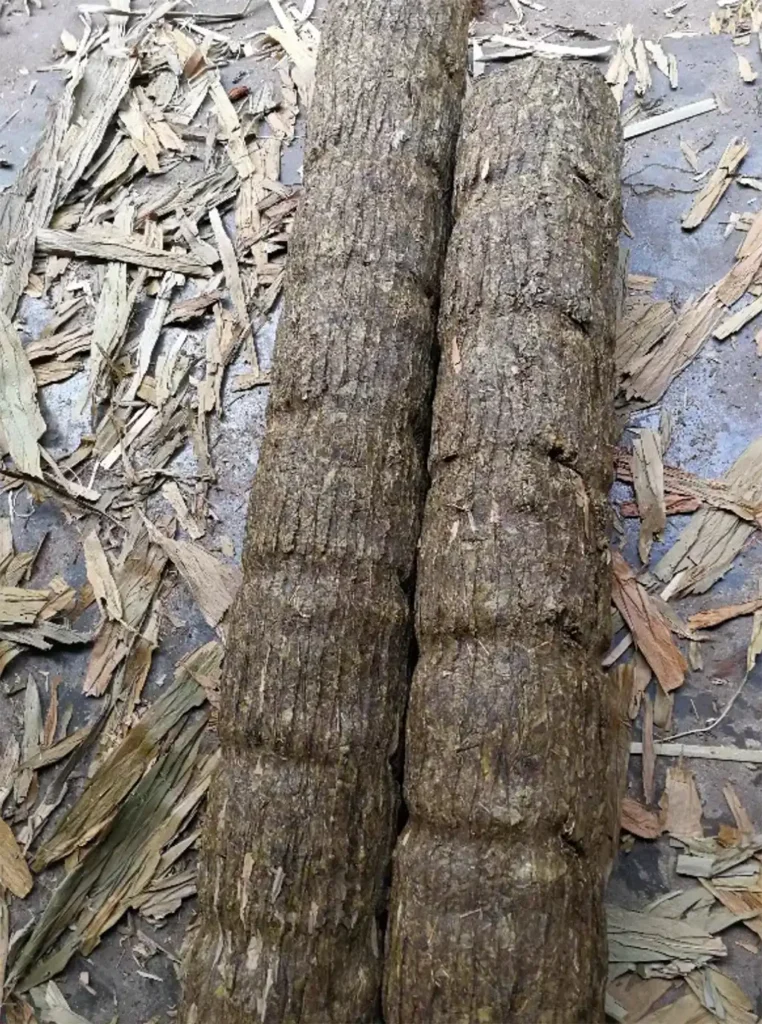
The tea leaves for Thousand-Liang Tea are meticulously trodden and bound into a cylinder roughly 1.5 to 1.65 meters long and about 0.2 meters in diameter, wrapped in natural materials such as bamboo leaves and palm leaves. Once made, these teas must go through dozens of days of exposure to the sun and night dew, drying naturally to give Thousand-Liang Tea its exceptionally mellow flavor profile.

Anhua Qianliang Tea

Craftsmanship

The production process of “Anhua Thousand-Liang Tea” is complex, labor-intensive, and entirely handmade. First, the dark rough tea undergoes crushing, sifting, fermentation, and steaming, followed by machine-pressing and drying. Once prepared, it is wrapped in bamboo and knotweed leaves and subjected to multiple techniques including steaming, pouring, twisting, pressing, hammering, and rolling to shape the leaves into a cylinder. Crafting Thousand-Liang Tea requires not only skill and physical strength, but also ideal natural conditions to allow the tea to reach its optimal state during fermentation and drying.

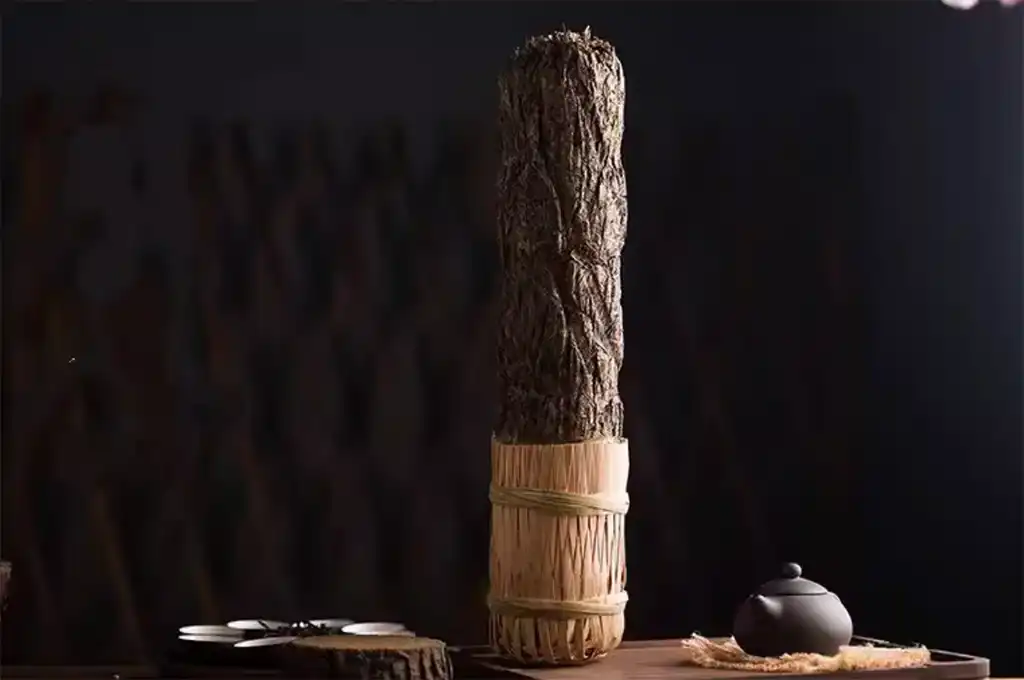
Anhua Qianliang Tea

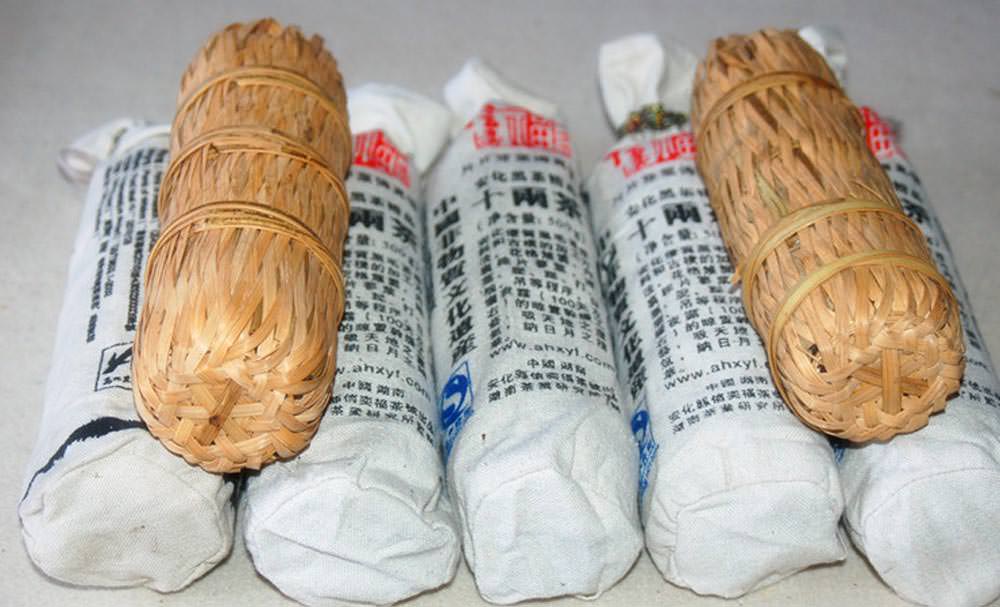
Anhua Thousand-Liang Tea typically weighs 1,000 liang (37.5 kg), though slight variations exist for standardization and transport convenience. In recent years, smaller versions such as ten-liang sizes or tea cake formats have also been produced for consumer convenience.

Brewing and Tasting

Due to its unique shape and weight, Anhua Thousand-Liang Tea is rarely sold to everyday consumers as a full log; instead, it is cut down and packaged into smaller portions. Once you bring your Thousand-Liang Tea home, you can start by cutting open the outer bamboo leaf wrapping, then use a pu-erh knife or a file to pry off an appropriate amount of tea leaves, much like you would with tea bricks or cakes.

Anhua Qianliang Tea

For brewing, we recommend using a thick Yixing clay teapot or ceramic pot with water at 100 degrees Celsius. The first steep should be around 3 minutes, with each subsequent steep increasing by 40 to 60 seconds. Using quality spring water or well water will help better release the unique flavors of Thousand-Liang Tea.

Shopping Cart