
Anhua dark tea and Yunnan Pu-erh tea both belong to the dark tea (heicha) category, making them the two most popular and well-known dark teas in China. Although both are post-fermented teas and undergo the pile-fermentation (wo dui) process, there are still significant differences in their production methods and flavor profiles. Below is a detailed comparison of the differences between Anhua dark tea and Yunnan Pu-erh tea.
Differences Between Anhua Dark Tea and Yunnan Pu-erh Tea
Different Tea Varieties: Yunnan Pu-erh tea is made from Yunnan large-leaf tea trees, with relatively tender raw materials and fewer stems. In contrast, Anhua dark tea mostly uses small-leaf black raw tea (heimaocha), featuring more mature material selection and a higher stem content.
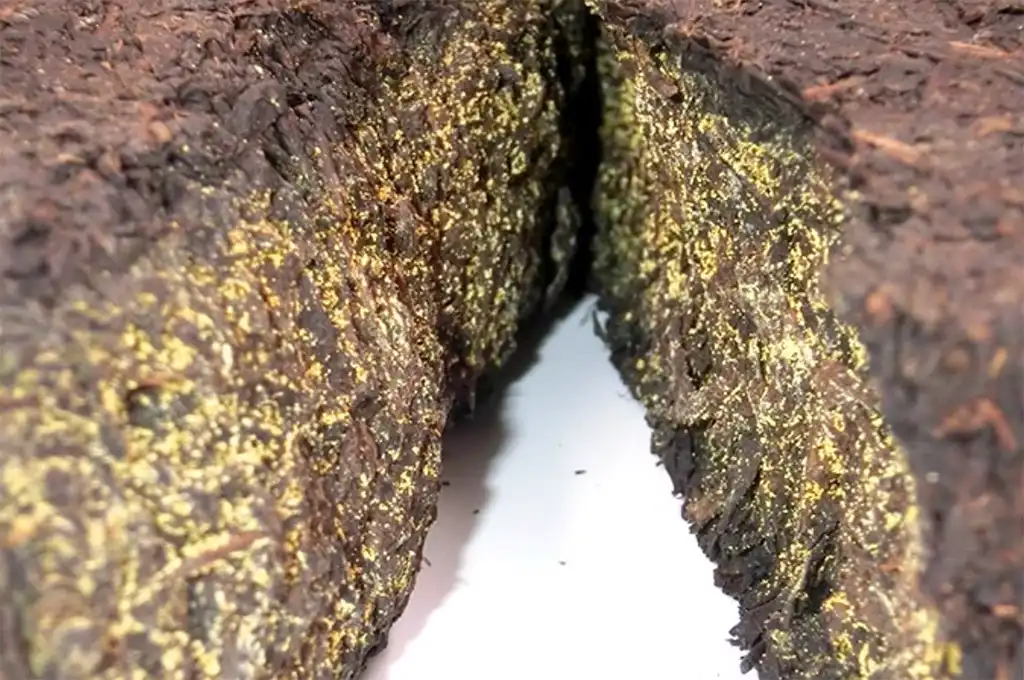
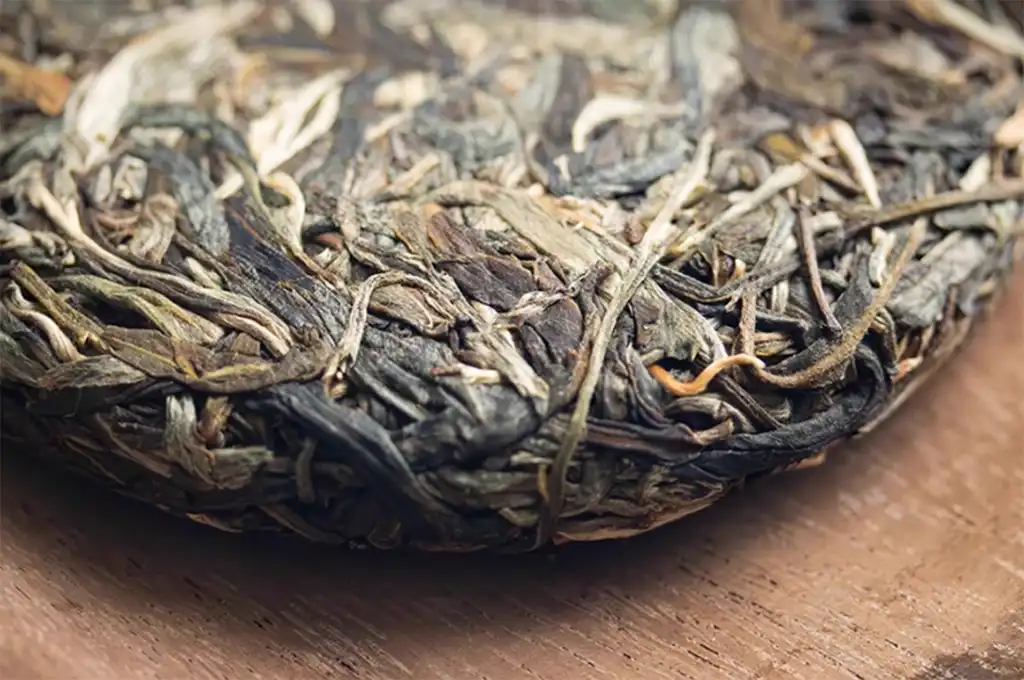
Different Production Processes: Pu-erh tea is categorized into raw (sheng) and ripe (shou) tea. Ripe tea incorporates the pile-fermentation technique during production, and is then compressed after fermentation, typically into cakes or bricks. Anhua dark tea uses black raw tea as its raw material, which undergoes pile-fermentation to be made into pointed tea (jiancha), scroll tea (juancha), or steamed and compressed into brick tea. One of the most unique types of Anhua dark tea, Fuzhuan brick tea, includes a unique “fahua” (germination/fungal growth) process that produces “golden flowers” (Eurotium cristatum). This technique has been applied to other dark tea categories in modern times and has become a major highlight of Anhua dark tea production. (The image above shows Anhua dark tea, and the image below shows Yunnan Pu-erh)
Different Flavor Profiles: Yunnan Pu-erh tea has a relatively smooth, mellow taste with a unique aged aroma. Among them, ripe Pu-erh’s aged aroma sometimes leans toward a moldy note, with a viscous or smooth mouthfeel. Anhua dark tea is relatively fresh and lighter on the palate, with an aroma reminiscent of sweet fermented wine. Fuzhuan tea in particular also carries a distinct fungal floral aroma; while the tea liquor is lighter, it delivers a robust and commanding taste.
Aside from the differences mentioned above, Anhua dark tea and Pu-erh tea also share many similarities. Both undergo a similar post-fermentation pile-fermentation process and can both be aged long-term. As the aging time increases, the quality and flavor of the tea become even richer and more mellow. Additionally, both types of tea are known for their beneficial effects in lowering blood lipids.
Read More:
- Anhua Hundred-Liang Tea: The Compact Version of Thousand-Liang Tea
- Anhua Dark Brick Tea: Tightly Compressed Dark Tea
- Anhua Patterned Brick Tea: Dark Tea Featuring Decorative Patterns
- Anhua Raw Pointed Tea: A Relatively Affordable Dark Tea Grade
- Hunan Dark Tea: Top-Tier Chinese Dark Tea on Par with Pu-erh
- Anhua Tribute Pointed Tea: A Relatively Affordable Dark Tea Grade