Author name: 廖長興茶業

Guiping Xishan Tea

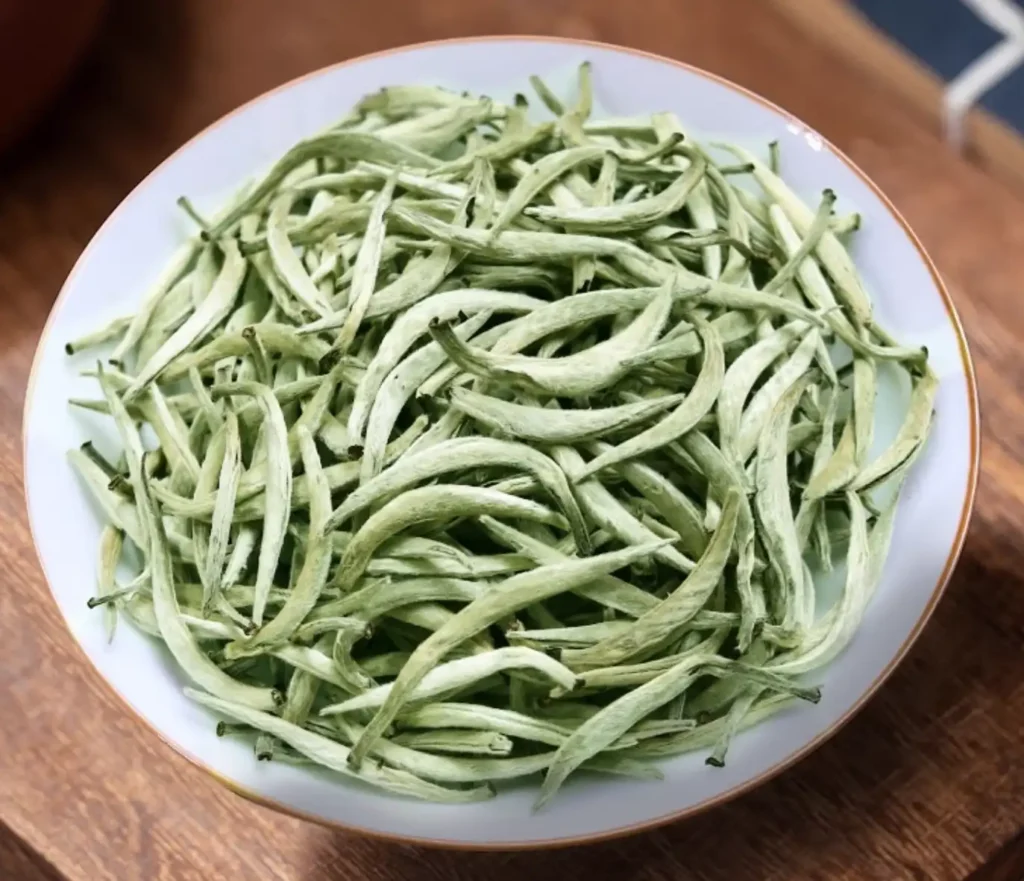
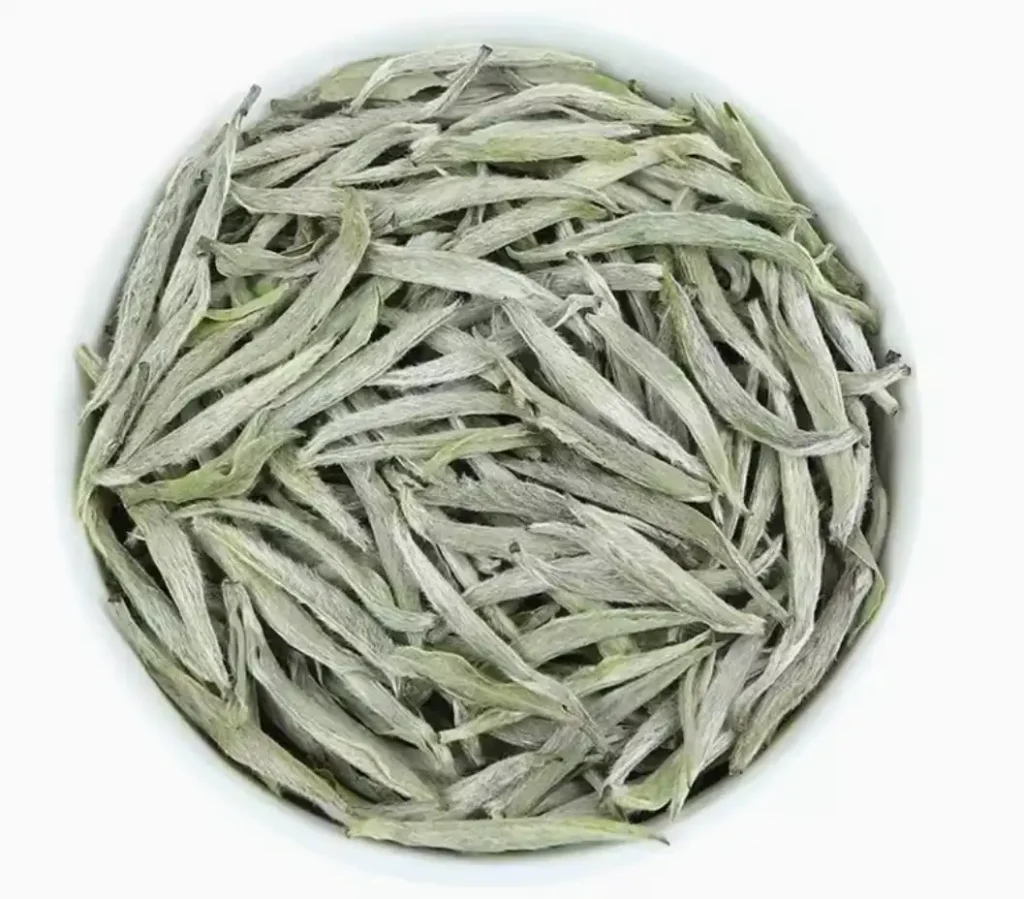
Guiping Xishan Tea is produced near the Xun River on Mount Xishan in Guiping, and belongs to the green tea category. Praised for having “a clear green color and fragrant taste that rivals Longjing,” its cultivation began in the Tang Dynasty and it was already well-known by the Ming Dynasty. Premium Guiping Xishan Tea is
Anhua Songzhen (Anhua Pine Needle Green Tea)

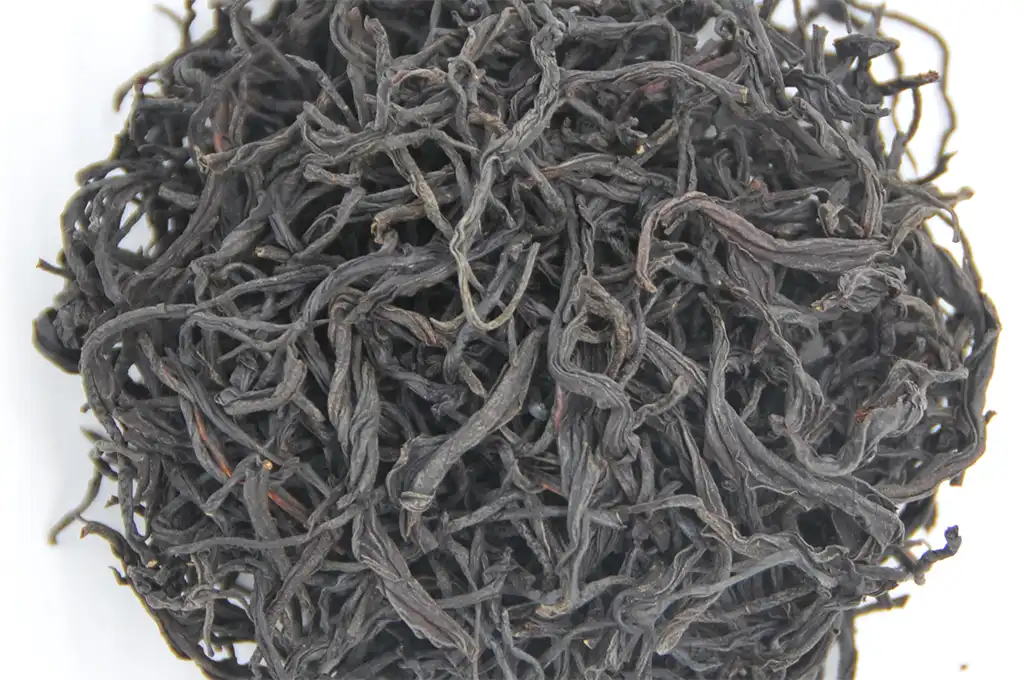
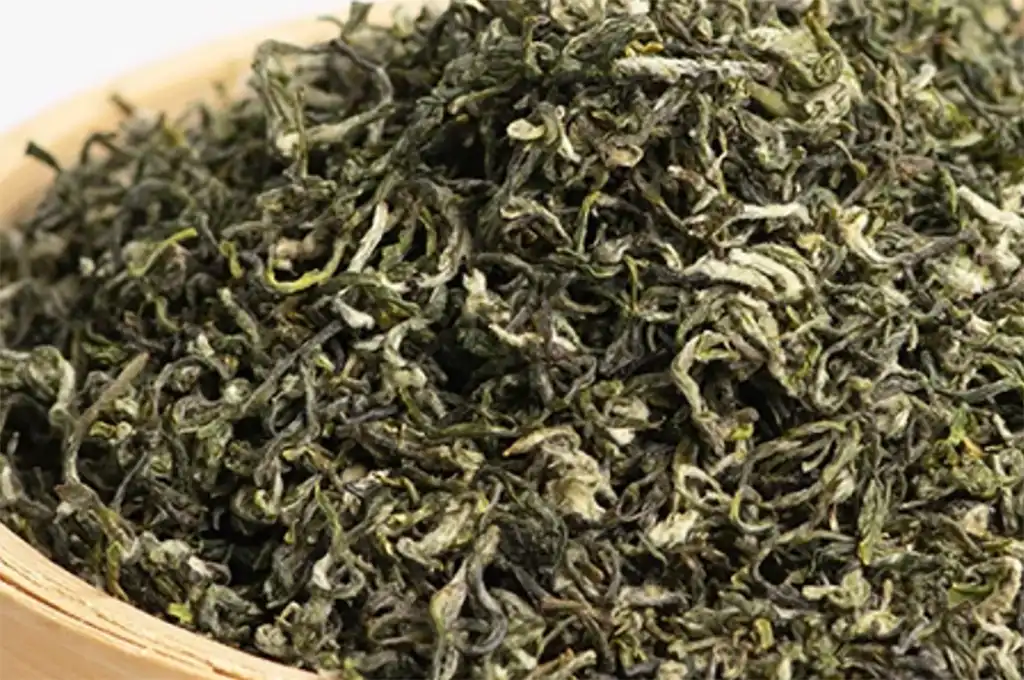
Anhua Songzhen originates from Anhua County in Hunan Province and belongs to the green tea family. Named for its straight, slender, and vibrant green appearance that resembles pine needles, as well as its origin in Anhua, “Anhua Songzhen” (Pine Needle Green Tea) is a representative variety of needle-shaped green teas in China. Tea cultivation records

SunMoon Lake Black Tea

SunMoon Lake Black Tea: Taiwan’s Premier Black Tea Origin

SunMoon Lake Black Tea is one of Taiwan’s most representative black teas, cultivated in the SunMoon Lake area of Yuchi Township, Nantou County. With its warm, humid climate and rolling terrain, this region provides an ideal environment for tea plants to thrive. Famed for its rich aroma and smooth, well-rounded palate, SunMoon Lake Black Tea

Honey Black Tea: The Bug-Bitten Black Tea

Honey Black Tea is produced in Taiwan, with main production areas including New Taipei City, Hualien, Nantou, and Chiayi. It is a fully fermented black tea. Its distinct characteristic comes from being bitten by insects, giving the brewed tea a sweet taste with notes of ripe honey. Harvested between July and September, it is a

Taiwan Tieguanyin Tea

Taiwan Tieguanyin tea is produced in northern Taiwan and is classified as a semi-fermented tea. Originating from Fujian and carrying on the tradition of Anxi Tieguanyin, Taiwanese Tieguanyin is primarily cultivated in Muzha, Taipei City and Shimen, New Taipei City. Due to its exceptional quality and very limited production, it is highly sought after. There

Taiwan Bi Luo Chun Green Tea

Taiwan Biluochun Green Tea

Taiwan Biluochun Green Tea is produced in Sanxia District, New Taipei City, and is a non-fermented green tea. It is made from the Qingxin Ganzai tea cultivar. By adapting the pan-firing and drying processes to the local climate, its flavor profile and brewing methods have evolved to become distinct from mainland Chinese Biluochun. /*! elementor

Taiwan Longjing Tea

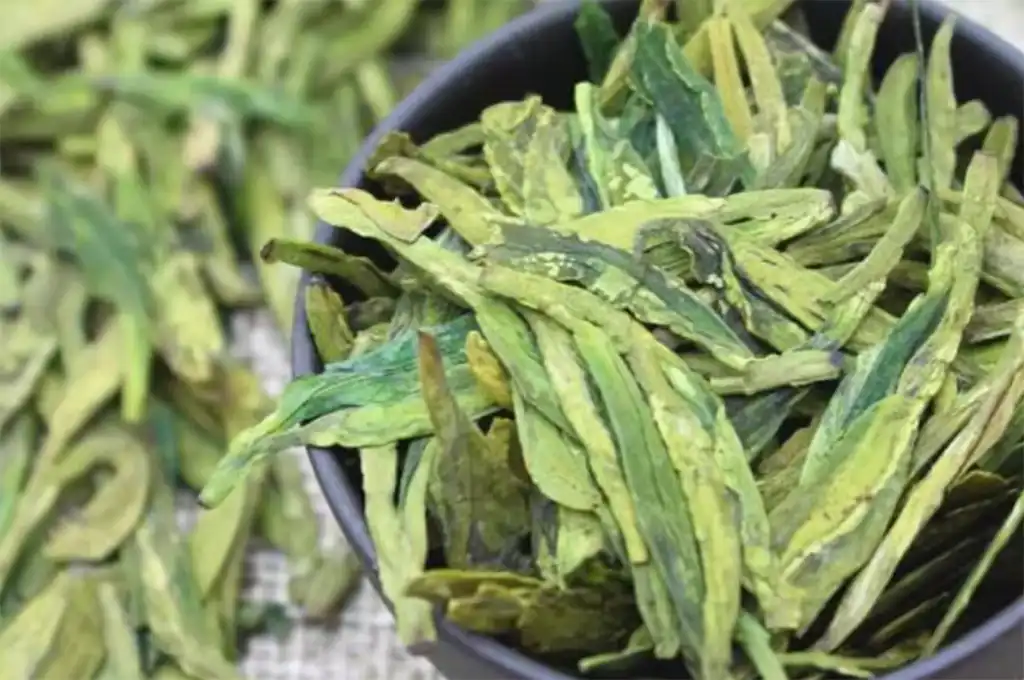
Taiwan Longjing Tea: Taiwan’s Specialty Green Tea

Taiwanese Longjing tea is produced in Sanxia District, New Taipei City, and belongs to the green tea category. Initially inspired by mainland Longjing, after 50 years of development, its flavor, production process, and appearance have become significantly different from mainland Longjing tea. /*! elementor – v3.23.0 – 05-08-2024 */ .elementor-widget-image{text-align:center}.elementor-widget-image a{display:inline-block}.elementor-widget-image a img[src$=”.svg”]{width:48px}.elementor-widget-image img{vertical-align:middle;display:inline-block} /*!

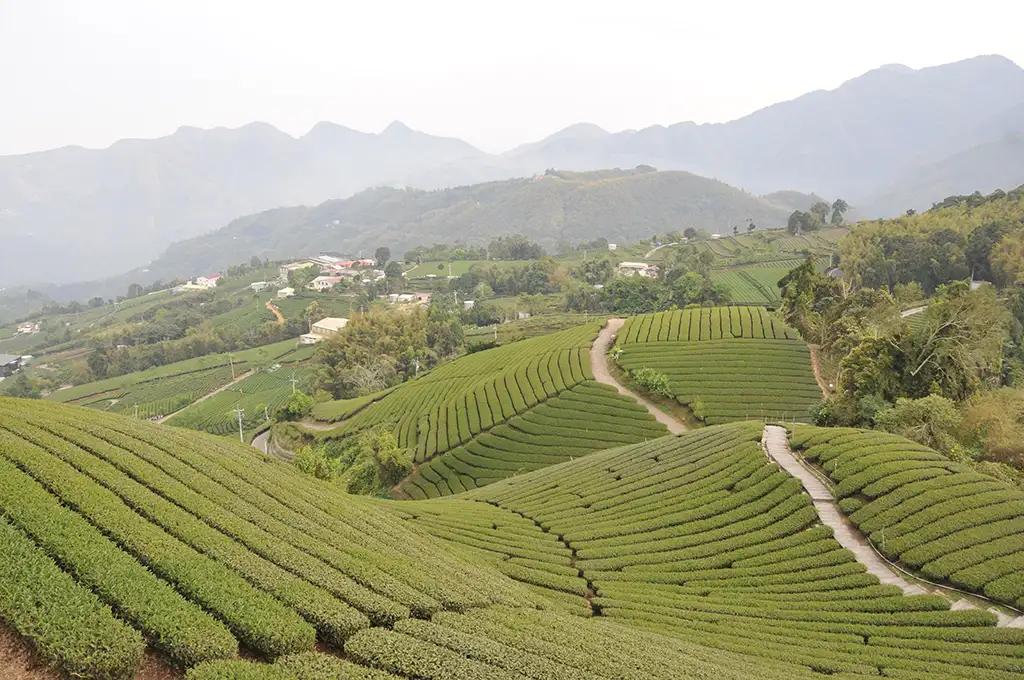
Taiwan Tea Growing Regions Elevation Map

/*! elementor – v3.7.8 – 02-10-2022 */ .elementor-widget-image{text-align:center}.elementor-widget-image a{display:inline-block}.elementor-widget-image a img[src$=”.svg”]{width:48px}.elementor-widget-image img{vertical-align:middle;display:inline-block}

Zhenghe White Tea

Zhenghe White Tea: Premier Chinese White Tea Region

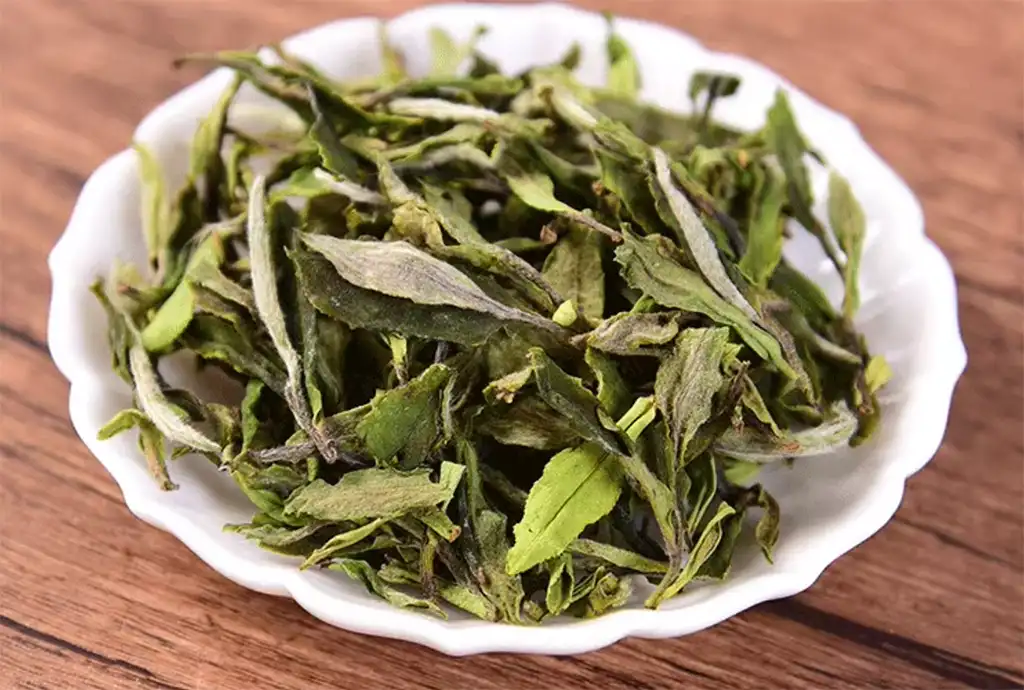
Zhenghe white tea refers to white tea produced in Zhenghe, Fujian. Zhenghe County is one of the birthplace regions of Chinese white tea, and to this day, it stands at the pinnacle of Chinese white tea in terms of both production volume and quality. The primary tea cultivar here is the Dabai (Large White) tea

Fuding White Tea: Premier Origin of Chinese White Tea

Fuding White Tea: The Premier Origin of Chinese White Tea

Fuding White Tea refers to white tea produced in Fuding City, Fujian Province. Fuding is one of the birthplaces of Chinese white tea and remains the region producing the highest quality today. The primary tea tree variety used for Fuding White Tea is the Fuding Dabai (Big White) tea tree, which is characterized by prominent

Alishan tea price

Is NT$1,200 per 600 g expensive for Alishan tea?

Netizen’s Question: What is a reasonable price for Alishan tea? Tea shops sell it anywhere from NT$800 to NT$6,200 per 600 g, and online stores even have hand-picked tea for NT$500 per 600 g. The hand-picked tea I bought costs NT$1,800 per 600 g—did I overpay? Cost Factors of Alishan Tea Liao Chang Xing: Alishan

Lishan tea prices

What is a Reasonable Price for Lishan Tea? Are NT$400 Teas Real?

Lishan Tea Enthusiast Question: The pricing of Lishan tea on the market is quite chaotic. You can find options online for NT$400 per 600 g, as well as premium ones costing tens of thousands of NT dollars per 600 g. I know online channels often have lower overhead, but what is a reasonable price range

Types of Chinese Black Tea

There are over a dozen main types of Chinese black tea, with dozens of more specific sub-varieties. Some of the most well-known varieties of Chinese black tea include Lapsang Souchong, Keemun, Dianhong, Yingde black tea, and Minhong. Types of Chinese Black Tea Dianhong Black Tea A gongfu black tea produced in the Dianjiang region of

Fujian White Tea

Fujian White Tea: Fuding and Zhenghe Are the Main Producing Regions

Fujian white tea is produced in Fuding City and Zhenghe County in Fujian Province, belonging to the white tea category. It is characterized by prominent white hairs and an abundance of trichomes, offering a fresh, mellow, and sweet taste that is very popular. Main tea varieties include Fuding Dabai, Fuding Dahao, and Shui Xian, among

New Craft White Tea

New Craft White Tea: White Tea Made with a Rolling Technique

New Craft White Tea, also known as New White Tea, originates from Fujian Province, China, and is classified as a “variant white tea.” While traditional white teas do not undergo a rolling process, New Craft White Tea is lightly rolled after withering, which creates a richer flavor profile and a smoother, sweeter taste that is

Shopping Cart