
Author name: Liao Chang Xing

Evaluation Cup

The evaluation cup, also known as a tasting cup or officially as the international tea evaluation set, is the standard tea ware used globally for objectively assessing tea aroma, appearance, liquor color, and grade. The evaluation set consists of a tasting cup, a lid, and a tasting bowl (tea pitcher). Made of white porcelain, it
Introduction to Tea Cloths (Jie-Fang)

A “jie-fang” (潔方), commonly known as a tea cloth or small tea towel, is used to wipe away spilled water and tea from tea sets and tabletops to keep the area clean and tidy. Simply put, it is a specialized cloth exclusively for making tea. Although it’s a small and unassuming item, using a tea

Introduction to Teaware Types

Teaware, historically referred to as tea utensils or tea vessels, encompasses all the essential tools required in the tea-brewing process. Beyond just teapots and tea cups, items like tea needles, tea trays, and fairness cups each serve their own unique functions and purposes. Introduction to Teaware Types Teapot Tea Needle Fairness Cup Tea Caddy Tea

Is High Mountain Tea Green Tea?

Customer Question: Is Taiwan High Mountain Tea a type of green tea? It tastes completely different from black tea—it feels light, yet it’s not quite like Dongding Oolong either. The packaging looks green, and the brewed tea leaves look green too, unlike black tea which always brews into a red color. So, is High Mountain

What are the Characteristics of High-Altitude Teas?

Netizen’s Question: I’ve heard that the higher the altitude, the better the tea quality and the sweeter the taste. Aside from that, what are the unique characteristics of high-altitude teas in terms of flavor and appearance? Chang Hsing Tea: Inherently, the higher the altitude, the slower the tea bushes grow. Slower growth results in a

Which Nantou High Mountain Tea Has the Highest Elevation?

Reader’s Question: I’ve heard that Nantou is Taiwan’s main high mountain tea region, and ShanLinXi tea, in particular, is highly rated and considered one of Taiwan’s top three high mountain tea regions. Is ShanLinXi actually the highest tea-producing region in Nantou? ShanLinXi’s highest tea garden sits at about 1,950 meters, but it is not the

Alishan High Mountain Tea Price

Netizen Question: I bought 600 g of Alishan High Mountain Tea at a tea shop for NT$1,800. After getting home and checking online, I found hand-picked tea priced at only NT$500, with a “buy 2 get 1 free” deal. Did I overpay? Changxing Tea: I was recently chatting with an Alishan High Mountain tea farmer

What is the Market Price for ShanLinXi High Mountain Tea?

Netizen’s Question: Why is the price of ShanLinXi High Mountain Tea all over the place? Some cost NT$400 per 600 g, while others are NT$3,000 per 600 g. I’m really worried about accidentally buying imported tea from abroad, and I don’t want to get overcharged. What is a reasonable price range for ShanLinXi High Mountain

Top Taiwan Tea Recommendations

Customer Question: Hello Chang Xing Tea, I’d like to gift some tea to foreign friends, but I don’t know much about tea myself. Could you recommend the best Taiwanese teas to take abroad so I can make a great impression when gifting? Chang Xing Tea: Hello Ms. Zhang, Taiwanese tea has an outstanding reputation, especially

Tea Import Tariffs

Since joining the WTO, Taiwan’s tea import tariffs have decreased, and import volumes have gradually increased. Currently, the majority of imported tea comes from Vietnam, China, Indonesia, India, and Sri Lanka. Annual tea imports amount to approximately 30,000 metric tons, with Vietnamese tea accounting for 70%, or about 21,000 tons. Among these, Vietnamese tea is

How to Distinguish Good and Bad Pu-erh Tea

Since the production volume of Pu-erh tea in Taiwan is relatively low, the general public lacks experience in distinguishing between good and bad Pu-erh tea. It is easy to be misled by merchants, mistaking poor-quality Pu-erh for good stock, or paying top-tier prices for secondary grades. Here, we share a few ways to evaluate the

Introduction to Pu-erh Tea

Pu-erh tea is produced in Yunnan Province, China, and belongs to the category of post-fermented dark teas. It is China’s most famous tea and also the only Chinese tea legally imported into Taiwan. Its defining characteristics include a post-fermentation process known as “wo dui” (pile-fermentation) and being compressed into tea cakes or bricks, making both

Pu-erh Tea for Weight Loss

Pu-erh tea is becoming increasingly popular in Taiwan, and one of the main reasons is its reputed weight-loss benefits. So, what is the science behind the Pu-erh tea weight-loss method, and how effective is it? The Science Behind Pu-erh Tea for Weight Loss The tea polyphenols, chlorophyll, catechins, and vitamin C found in tea leaves

Wuyi Dahongpao Tea

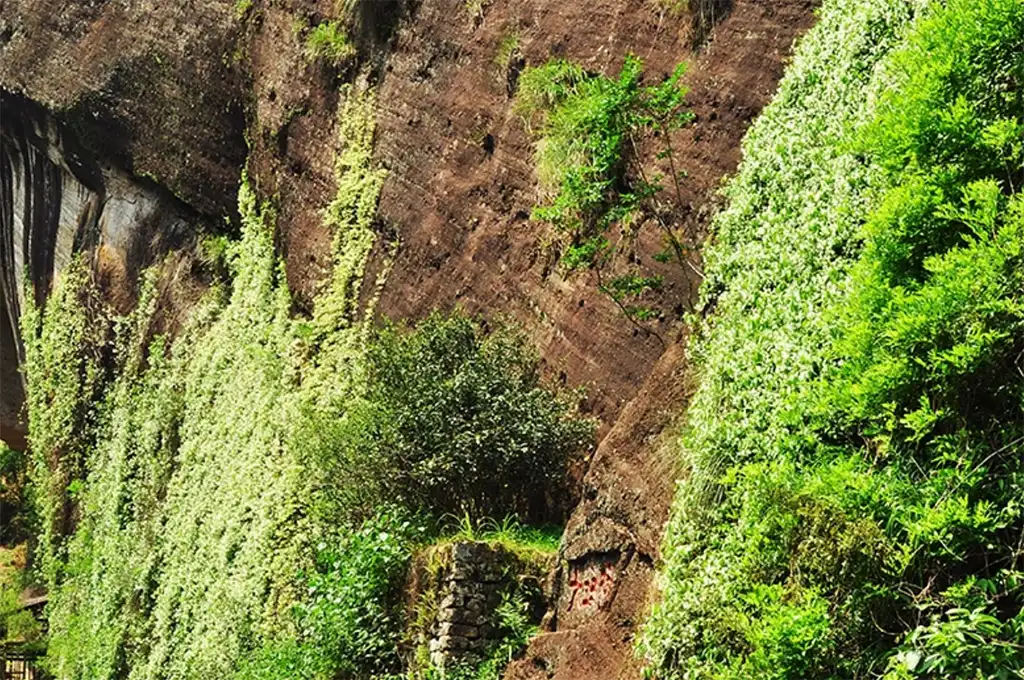
Wuyi Dahongpao Tea: The Foremost of the Four Famous Bushes of Wuyi Rock Tea!

Dahongpao is a tea tree variety originating from Mount Wuyi in Fujian. Wuyi Dahongpao tea is typically processed into oolong tea. The original Dahongpao mother bushes grow on the cliffs of Jiulongke in Mount Wuyi. There are only 6 bushes in existence, yielding merely a few hundred grams annually. Vegetative propagation began in 1982, and

How to Brew Pu-erh Tea

Pu-erh is a post-fermented dark tea, and its brewing method differs from black, green, and oolong teas. Avoid using standard oolong brewing methods for Pu-erh, otherwise, the flavor will be compromised, and you won’t fully experience its true taste and value. Break up the tea: Use a tea knife to gently pry the tea cake

Shopping Cart