
Author name: Liao Chang Xing

2022 DongYanShan Spring Tea

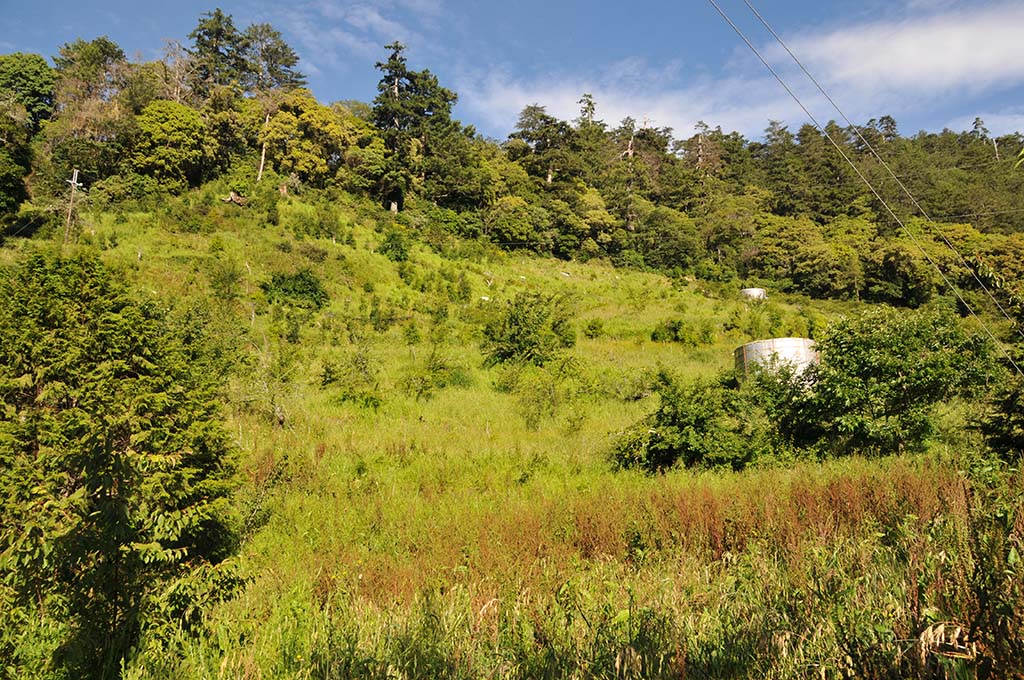
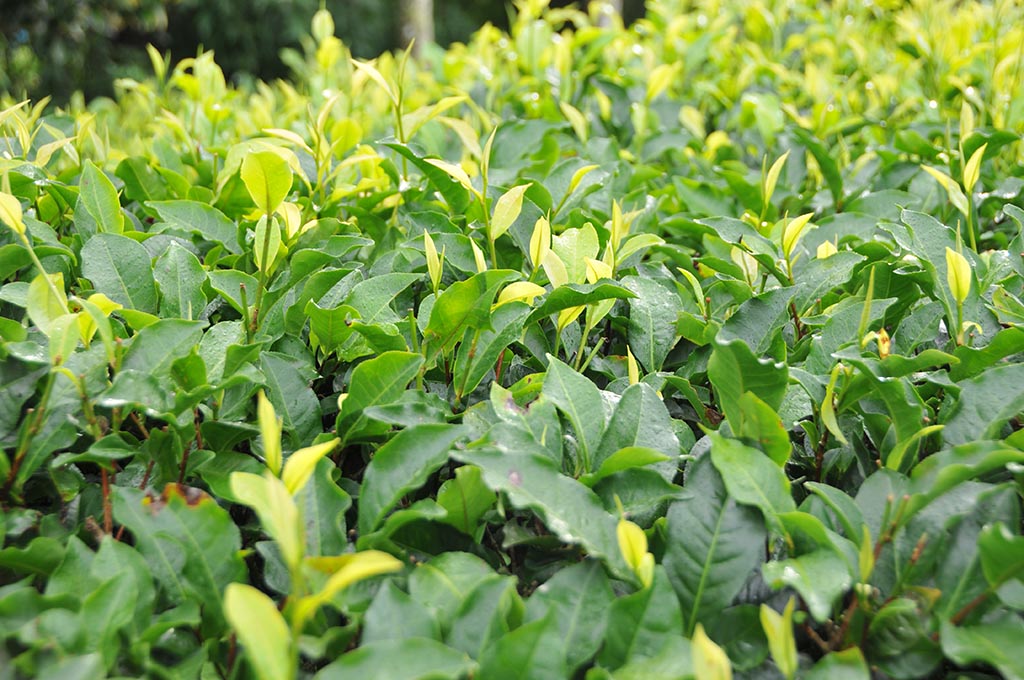
On April 21, the store manager visited the DongYanShan tea region to source tea and found that the tea leaves had grown “very well.” Some tea farmers started harvesting that very day, but I decided not to buy because the leaves were still a bit too tender. For the following week, the manager mostly sourced
2022 LongFengXia Budongyu Spring Oolong Tea

On May 2nd, the store manager headed up to Budongyu to check out the tea harvest. Passing through LongFengXia, it was quite a shock—not only was it windy and rainy, but the temperature had also dropped to a chilly 10°C, meaning almost no harvesting was happening in the high-elevation areas of LongFengXia. High-altitude Budongyu hadn’t

2022 Qilai Mountain Spring Tea

We visited Lushan and Qilai Mountain on April 28th and 29th. This year’s Qilai Mountain Spring Tea is growing exceptionally well. The tea leaves have a deep, dark luster, almost as if coated in a natural wax. As long as the weather holds up during the harvest, we can expect the spring tea quality to

Harvest Update: Ultra-High-Altitude HuaGung, Cuifeng, Cuiluan, Meifeng, and Qilai Mountain

Harvests in areas below 1,700 meters, such as Sancengping and LongFengXia, wrapped up around May 10. Afterward, our store manager headed to even higher elevations at HuaGung, Cuifeng, Cuiluan, Meifeng, and Qilai Mountain. These ultra-high-altitude teas above 1,700 meters are our primary focus every year—top-tier teas akin to the legendary “Heavenly Sword” are exclusively born

2022 Songgang and Meifeng Spring Tea

On May 11, the store manager was near Cingjing Farm, where tea gardens around 1,700 meters in elevation in Songgang and Meifeng were harvesting. We sampled a few teas (batches 7 through 10) that day and the quality was fantastic. However, since the manager had already secured Cuiluan and Malueba teas at the same elevation

2022 Qilai Tea Region Spring Tea Part 2

At the end of April, the store manager wrote an article titled “2022 Qilai Mountain Tea Region Spring Tea,” mentioning that the spring tea from the Qilai tea region was “dark, glossy, and gorgeous,” and announced that we would head back up the mountain to source more tea on May 10th. Previous recap: 2022 Qilai

No Dayuling or Biluxi Purchased This Year

Hello tea lovers! This year, our Meifeng and Farm Edge teas are the final two batches of spring tea we’ve harvested. For everyone waiting on Dayuling, Biluxi, Songmao, and Xinjiyang, we want to sincerely apologize—we won’t be stocking them this year, so please don’t wait. First, I want to emphasize that what follows is simply

Searching for Alishan Ershui Tea

I’ve spent the last few days visiting the Alishan tea region, hoping to find some high-quality Ershui tea. After searching for days, though, I couldn’t find anything good. Tea lovers might ask, “Does Alishan even harvest Ershui tea?” Yes, absolutely! Actually, it’s not just Alishan—every tea region has it. Whether it gets harvested depends entirely

Introduction to Ershui Tea

Yesterday, I mentioned that the store manager went to Alishan to source “Ershui tea,” and many tea friends asked what Ershui tea actually is. I’d like to take this opportunity to introduce it. Taiwanese tea can be harvested five times a year. Spring tea is commonly known as “first-flush tea” (or *toushuicha*), which is equivalent

Manager’s Insights on Wholesale Tea Sourcing

We didn’t purchase any teas from HuaGung or Biluoxi this year. The reason was poor weather, which caused an overall decline in tea quality, so we chose to “prefer quality over quantity, rather than settling for less.” Although the tea-making conditions were unfavorable, several major tea factories managed to maintain 80% to 90% of their

Is there still Dayuling tea available?

Current Status of Dayuling Tea: Is There Still Dayuling Tea Available?

Many tea lovers have asked why we haven’t purchased Dayuling tea. My standard answer is: “We couldn’t find one we truly liked” and “the price is exorbitant.” After much consideration, we decided not to source any this year. I’d also like to take this opportunity to share the current state of the Dayuling tea region.

An Unexpected Encounter with High Mountain JinXuan Tea

I really love visiting our tea regions. Not only does it let me check on the condition of the tea gardens to guide our future sourcing, but I also always seem to run into interesting stories along the way. Today, let’s talk about JinXuan tea (also known as No. 27 or Taiwan Tea No. 12).

The Scoop on Fake Dayuling Tea: Can You Get Scammed Even at the Origin?

As I mentioned before, the annual yield of Dayuling tea from the 100K to 103K marks is only about 5,000 kg (combining spring and winter harvests). With everyone scrambling to get their hands on it, demand far exceeds supply, which naturally leads to a flood of counterfeits. Everyone already knows the tricks tea merchants pull—passing

Dayuling 105K Truffle Tea Garden Back from the Dead!?

In June, the store manager headed up to Dayuling to source some tea. While passing by the 105K Truffle Tea Garden, I thought I’d check in on the famous Snow Oolong tea bushes to see if they were still surviving, and I stumbled upon something fascinating! That’s right! Just like the title says, “The Dayuling

TTES No. 18 Ruby

Taiwan Tea No. 18 Ruby: Taiwan’s Finest Black Tea Variety

Taiwan Tea No. 18, also known as Ruby, is a new variety bred by the Yuchi Branch of the Tea Research and Extension Station (TRES). It is a hybrid of native Taiwanese wild mountain tea and Burmese large-leaf variety, offering a rich, refreshing taste with subtle notes of cinnamon and mint. It is widely used

Shopping Cart