
Yesterday, I mentioned that the store manager went to Alishan to source “Ershui tea,” and many tea friends asked what Ershui tea actually is. I’d like to take this opportunity to introduce it.
Taiwanese tea can be harvested five times a year. Spring tea is commonly known as “first-flush tea” (or *toushuicha*), which is equivalent to Japan’s *shincha* or *ichibancha*, meaning the “first harvest of the year.” Once you understand first-flush tea, Ershui tea is very easy to grasp—it’s simply the second-flush tea.
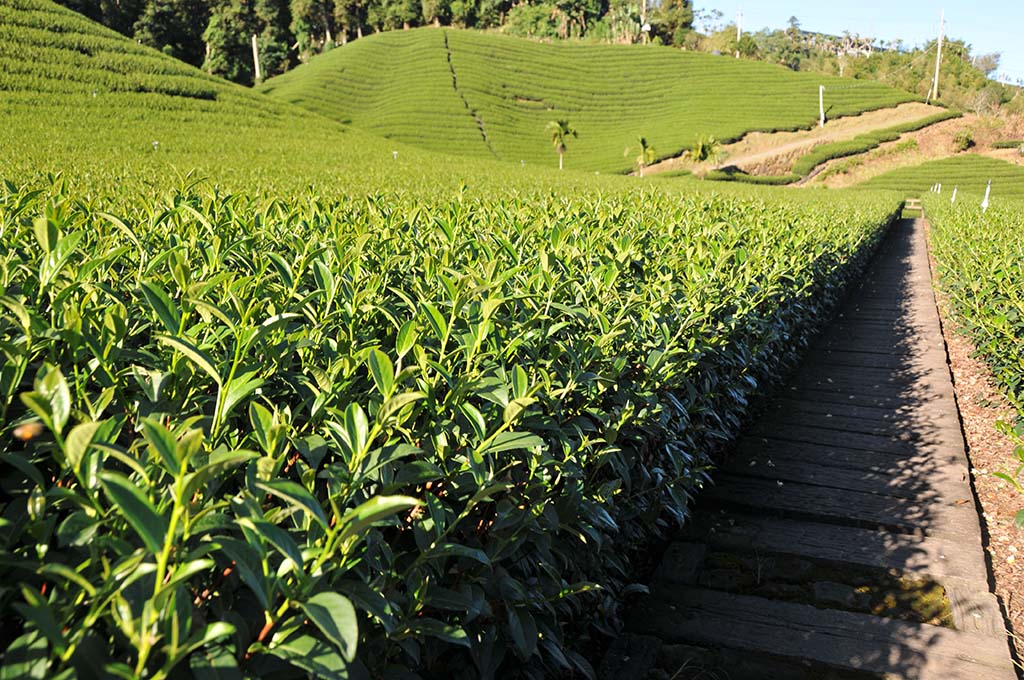
Many people have the impression that Ershui tea is an inferior tea with high bitterness and astringency, or that it’s merely commercial-grade tea used for shaken beverage shops. That’s not always true, though. As long as the weather isn’t overly hot, Ershui tea still has a chance to be exceptional. The store manager has encountered mind-blowing batches of Ershui tea a few times, and I dare say that without being told, no one would ever guess it’s Ershui tea.
Ershui tea has another huge advantage: its price is only half that of spring tea. Because of this, plenty of people still love buying it. Quite a few tea merchants specialize in buying Ershui tea and selling it as spring tea to double their profits (rest assured, the store manager doesn’t pull that trick; when I find a good Ershui tea, I’ll proudly shout it from the rooftops).
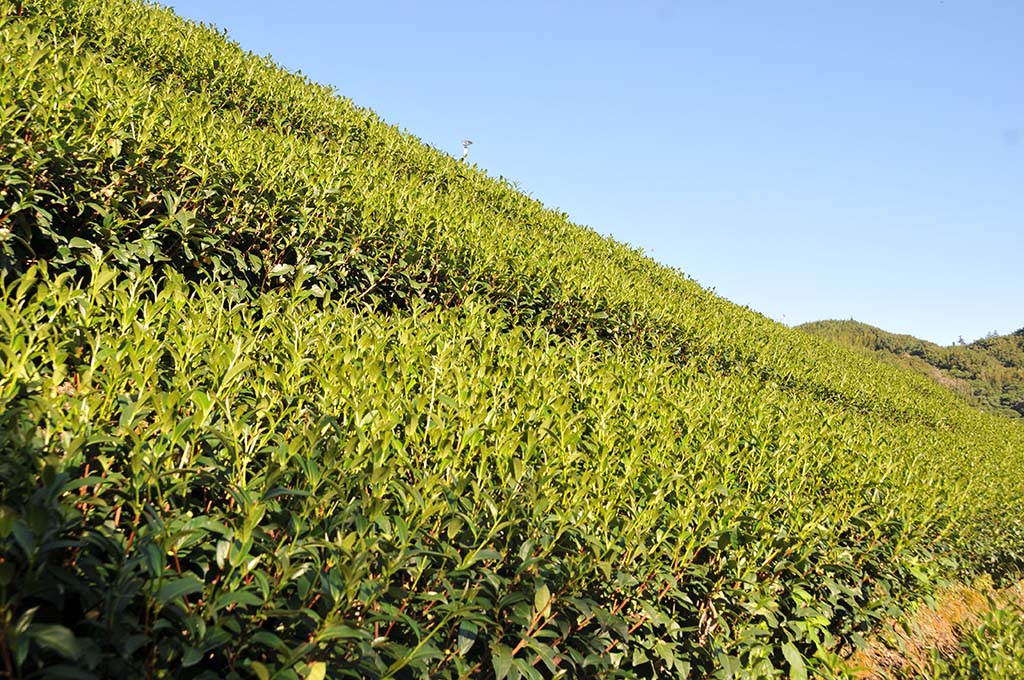
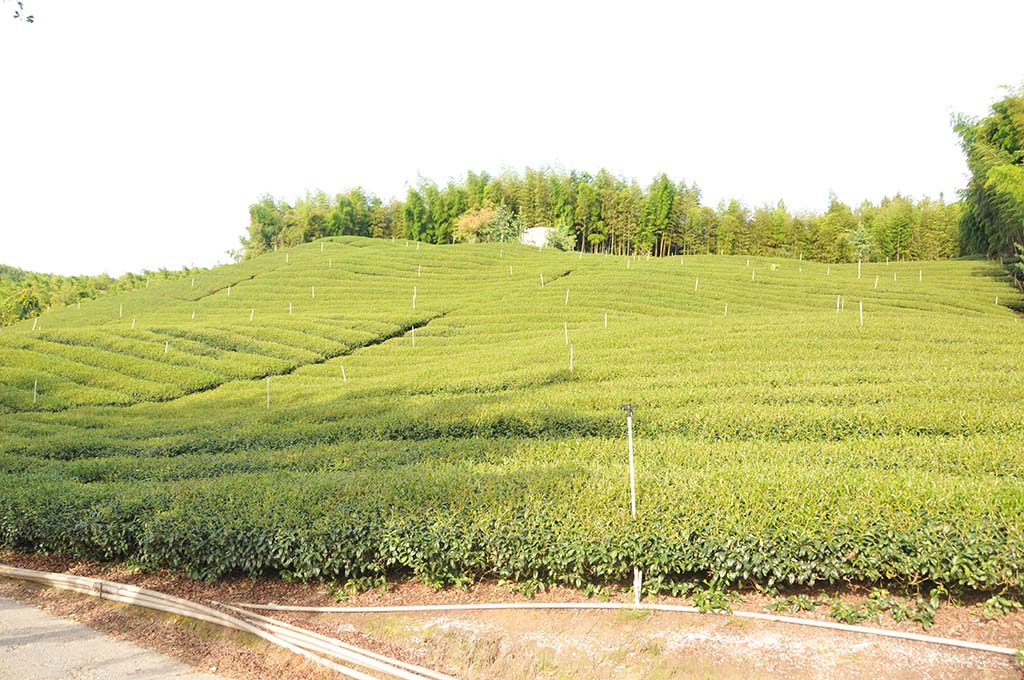
However, because Ershui tea is prone to bitterness and astringency due to the warm weather, some tea factories simply skip making lightly oxidized oolong tea and instead produce heavily oxidized oolong (such as Oriental Beauty) or fully oxidized black tea. This transforms the bitterness and astringency into a rich, sweet flavor, which is also very popular in the market.
Generally speaking, tea harvested after May is considered Ershui tea, but it actually depends on the region. For instance, in earlier-harvesting lowland tea areas, spring tea is picked in March, so Ershui tea might appear by the end of April, whereas high-mountain areas might not see it until around June.
Additional Note:
Actually, Ershui tea is harvested across major tea-growing regions in substantial quantities. It’s just that most tea merchants rarely explicitly state that it’s Ershui because Ershui tea can be harder to sell on its own—so much of it gets passed off and sold as spring tea instead.