
We didn’t purchase any teas from HuaGung or Biluoxi this year. The reason was poor weather, which caused an overall decline in tea quality, so we chose to “prefer quality over quantity, rather than settling for less.” Although the tea-making conditions were unfavorable, several major tea factories managed to maintain 80% to 90% of their usual quality, which truly highlights the importance of professional tea-making equipment and a complete, skilled team.
Let me share a core principle I’ve learned as a tea buyer: “Prioritize large factories,” and “skip small-scale farmers for now.” Sounds a bit “politically incorrect,” doesn’t it? Don’t rush to judge just yet. I don’t look down on small-scale farmers in any way; it’s simply that as a tea merchant, poor tea quality means losing money, so I have to be extremely meticulous when selecting teas.
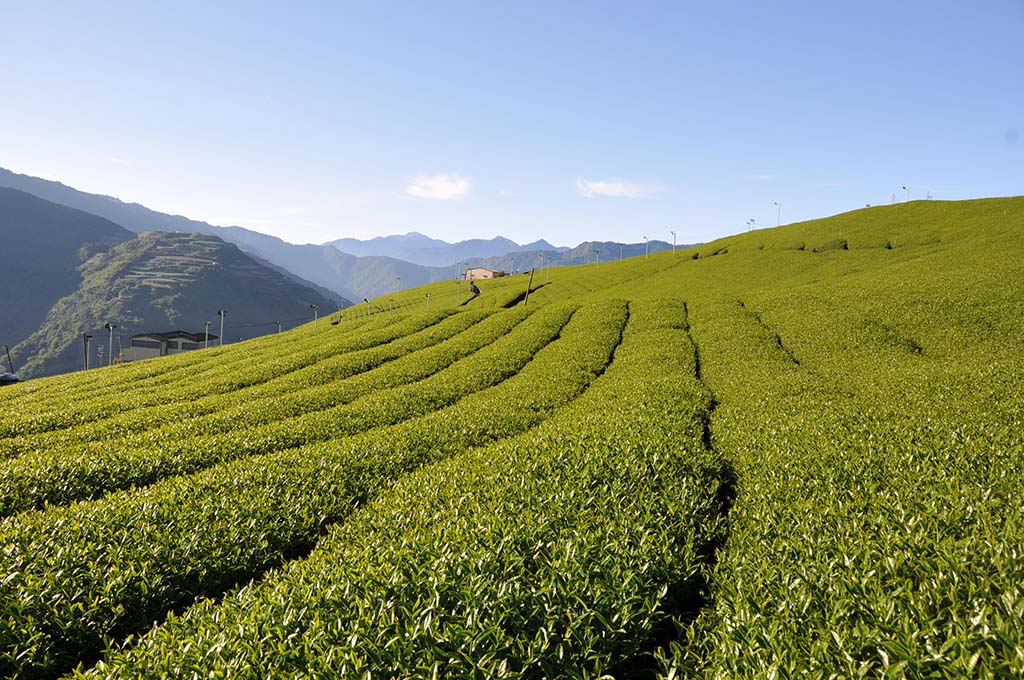
Why not just buy from small-scale farmers? The store manager wants to be straight with everyone: raising tea quality is seriously expensive. Building a proper tea factory costs at least NT$20-30 million as a baseline, and maintaining a professional tea-making team is another financial bottomless pit that small farmers simply can’t afford. That NT$30 million is precisely the difference between ‘ordinary tea‘ and ‘premium tea‘.
Think about it: anyone can throw up a corrugated metal shed, buy some second-and equipment, and get started for a million or so to make tea. So why would major tea factories spend tens of millions? It’s all about the relentless pursuit of quality. Budget equipment might get you a score of 70, but pushing past that to 90 is an uphill battle—and that’s where the value of those tens of millions lies.
Top-tier tea-making equipment and experienced teams also enable efficient, scientific tea production, streamlining the process and minimizing human error.
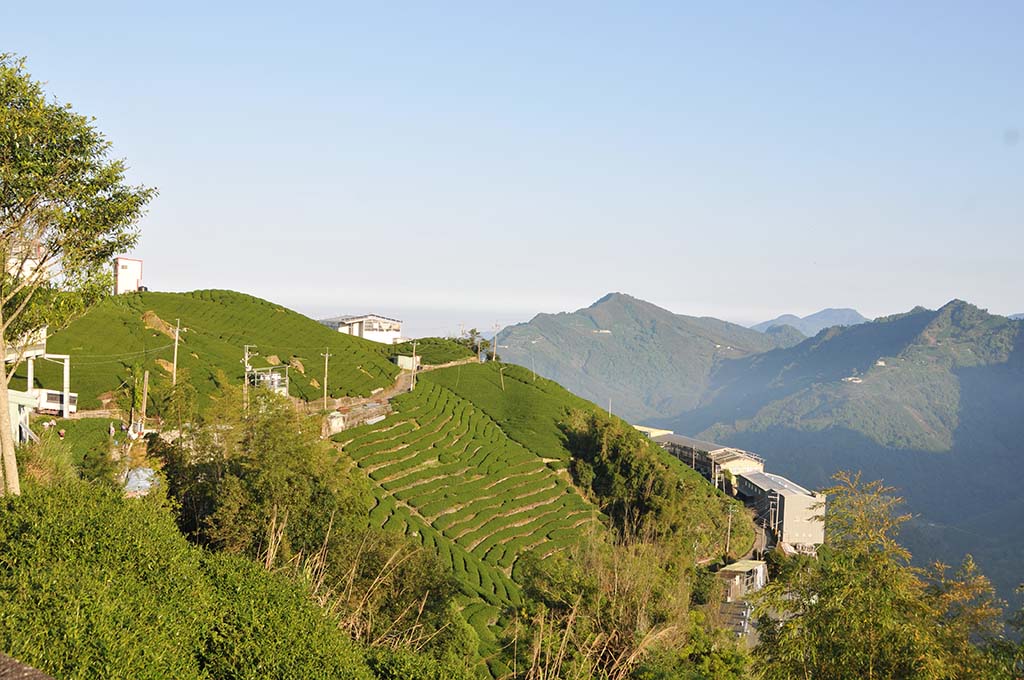
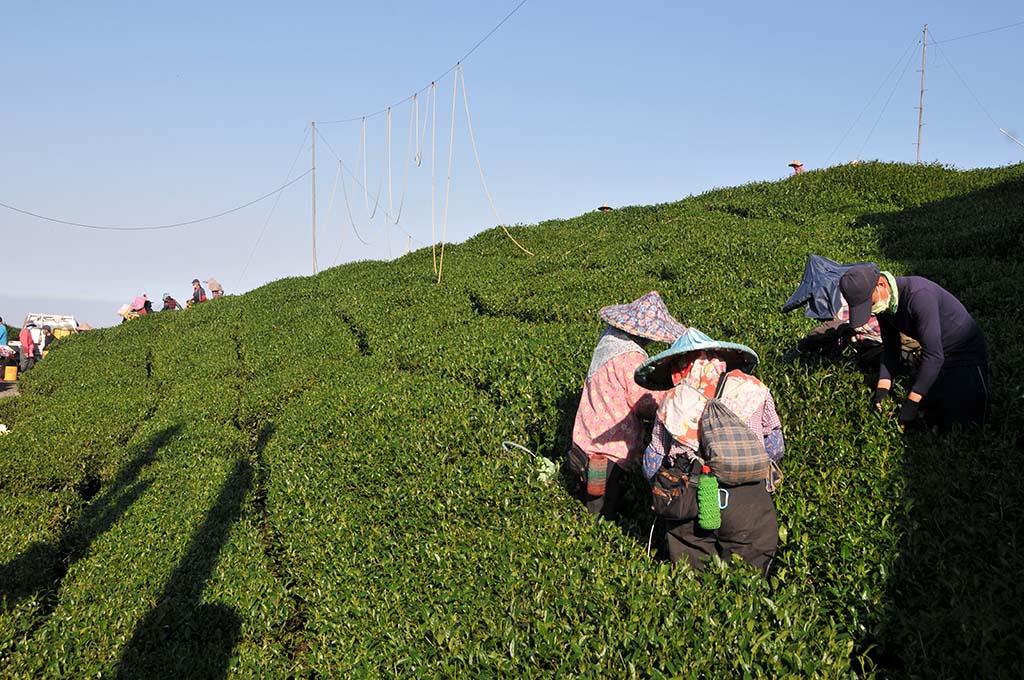
Coming back to this year’s HuaGung and Biluoxi: it rained continuously for a week from May 11th to 17th, and when we finally caught a break with good weather from the 18th to the 22nd, there was a whole week’s worth of tea that needed harvesting all at once. Many small farmers found themselves in a tough spot with inadequate equipment and not enough hands to harvest and process everything in time. Large-scale factories, equipped with ample machinery and dedicated harvesting and processing teams, managed to minimize the damage this time around. That, too, is the value of those tens of millions.
P.S. The store manager still buys from small farmers occasionally—specifically during ‘great years’ when the growing conditions are exceptionally ideal. In those seasons, just about any tea you make turns out great, and it’s easier to negotiate fair prices with small farmers. That’s when we stock up a bit more, buying affordably and passing the value on.
Next time we get the chance, I’ll break down the costs of keeping a dedicated harvesting and tea-making team, along with the highest factory-building cost the manager has ever heard of. It’ll definitely shock you.