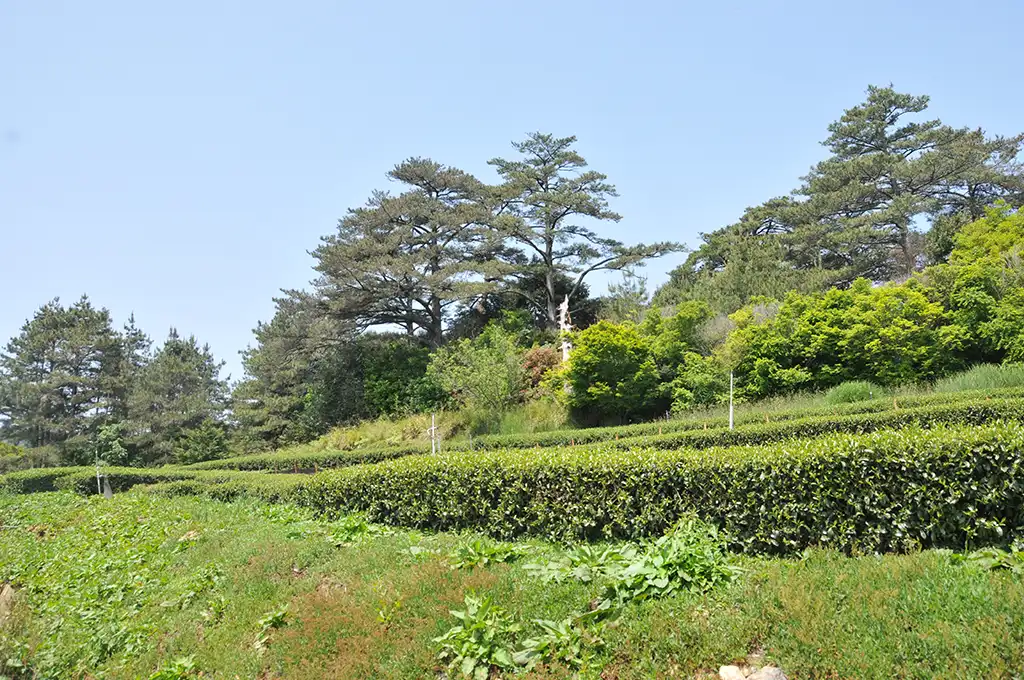
Does Lishan Tea Have Caffeine? Will It Keep You Awake?

A tea lover writes: I’ve long heard that Taiwan’s Lishan tea is amazing, but I tend to get dizzy from too much caffeine. Does Lishan tea have caffeine? If so, how much is in it?

Does Lishan tea have caffeine?

Liao Chang Xing's Reply: Does Lishan Tea Have Caffeine?

I’m sorry to say that Lishan tea does contain caffeine. The good news is that Lishan Oolong is relatively low in caffeine, making it a much lighter choice compared to black tea or coffee.

All teas contain caffeine, with black tea generally having more. A 100ml cup of black tea contains about 25–80 mg of caffeine, while Oolong tea ranges between 25–55 mg. Lishan Oolong tea is a lightly fermented tea, with its caffeine content falling around 25–30 mg.

Does Lishan tea have caffeine?

Daily Caffeine Intake: Recommended under 400 mg per day; pregnant and nursing mothers should stay under 200 mg per day

Sticking to the daily limit of 400 mg, drinking 1000ml of Lishan Oolong a day should be safe. However, if you tend to get dizzy from too much caffeine, it’s always best to consult a healthcare professional.

How to Reduce Caffeine in Lishan Tea

If you really love drinking tea, you can lower the caffeine release by 1. shortening the steeping time, and 2. lowering the water temperature. For example, instead of steeping the leaves for 3 minutes, cut it down to 1 minute, or simply use cold-brewing to prepare your Lishan tea.

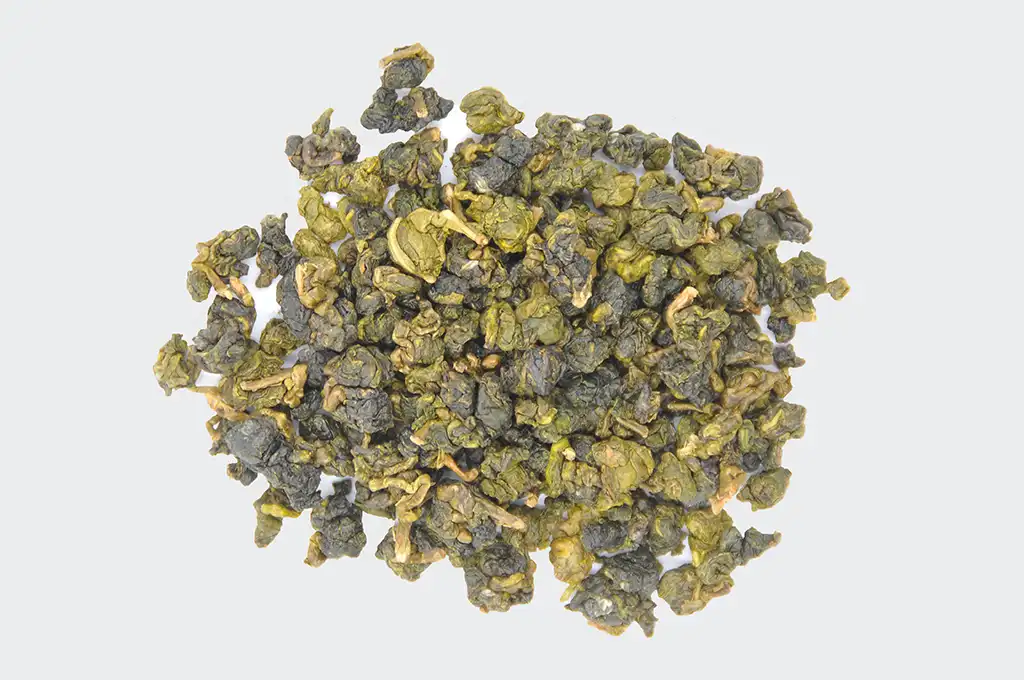
You can also avoid drinking tea on an empty stomach, which helps prevent dizziness. Lastly, a quick reminder: while Lishan Oolong tea is relatively low in caffeine, excessive consumption is still not recommended. Pregnant women, nursing mothers, and those sensitive to caffeine should consult a physician before drinking.

Shopping Cart