
Zhengyan Rougui tea is widely loved for its unique flavor profile. Among the many producing sites, the Zhengyan Rougui from Matouyan is the most highly praised, often considered on par with the renowned Niulankeng Rougui, known as “Niu Rou” (Beef). Due to its limited yield and mineral-rich rock strata, Matouyan is widely recognized as the finest origin for Wuyi Zhengyan Rougui tea.

Matouyan Rougui Tea: Wuyi Zhengyan Rougui Tea
Matouyan gets its name because the rock formation resembles a horse’s head, and it is a core production area for Wuyi Yancha. Aside from Matouyan at the center, the surrounding terrain consists mostly of rocks or gravel-heavy soil, giving the resulting rock tea a distinct and robust “rock rhyme” (yan yun). Compared to Niulankeng, which receives less sunlight, Matouyan features an open terrain with ample sunlight. As a result, Matouyan Rougui tea has a higher aroma than Niulankeng Rougui, with a more intense flavor, richer cinnamon notes, and a bolder character, making it particularly appealing to seasoned tea drinkers.
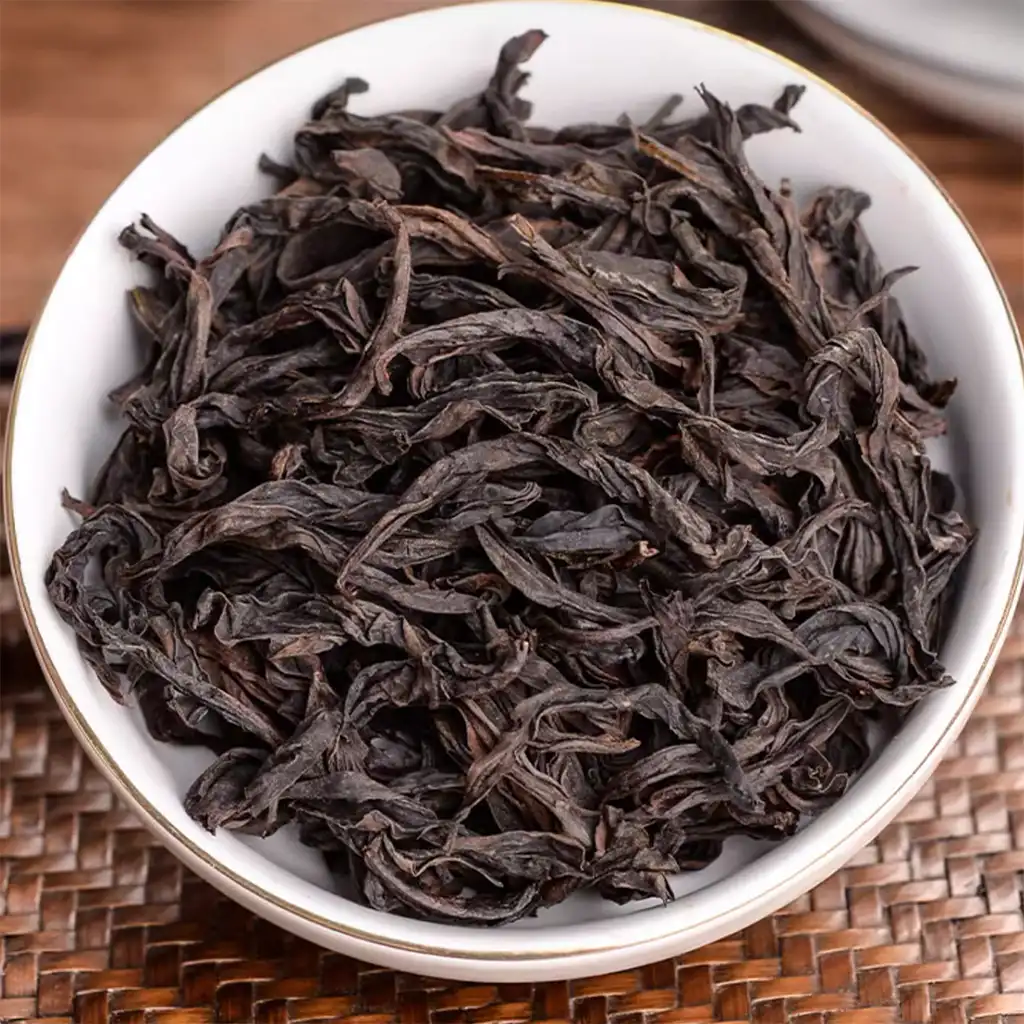
Premium Origin of Wuyi Zhengyan Rougui Tea
Yancha is evaluated by the saying: “Top-grade grows in rock, medium-grade in gravel, and low-grade in soil.” In other words, the more rocks in the tea tree’s growing environment, the better the quality, and these teas are known as Zhengyan tea (genuine rock tea). Semi-hilly terrain is called Banyan (semi-rock), which drops slightly in quality compared to the Zhengyan zone. Zhouyan refers to plains or fields, generally considered to produce inferior Wuyi tea.
Matouyan is a high-quality origin rich in rocks, primarily dominated by the Rougui tea tree cultivar. The Wuyi Zhengyan Rougui tea produced here boasts a strong aroma, rich cinnamon flavor, and a bold character, making it widely recognized in the tea industry as the finest origin for Zhengyan Rougui tea.
The High Price of Matouyan Rougui
Compared to the astronomical prices of “Niu Rou” (Niulankeng Rougui), which easily fetches tens of thousands of RMB per 500 g, its counterpart “Ma Rou” (Matouyan Rougui) is slightly more affordable. Entry-level versions can be purchased for NT$5,000 to NT$10,000 per 500 g. However, this doesn’t mean Niu Rou is inherently better-tasting than Ma Rou; the main reason is that Matouyan Rougui has a larger harvest. While Niulankeng Rougui yields only about 500 kg (1,000 catties) a year, Matouyan Rougui yields tens of thousands of catties, making it naturally “more affordable.”
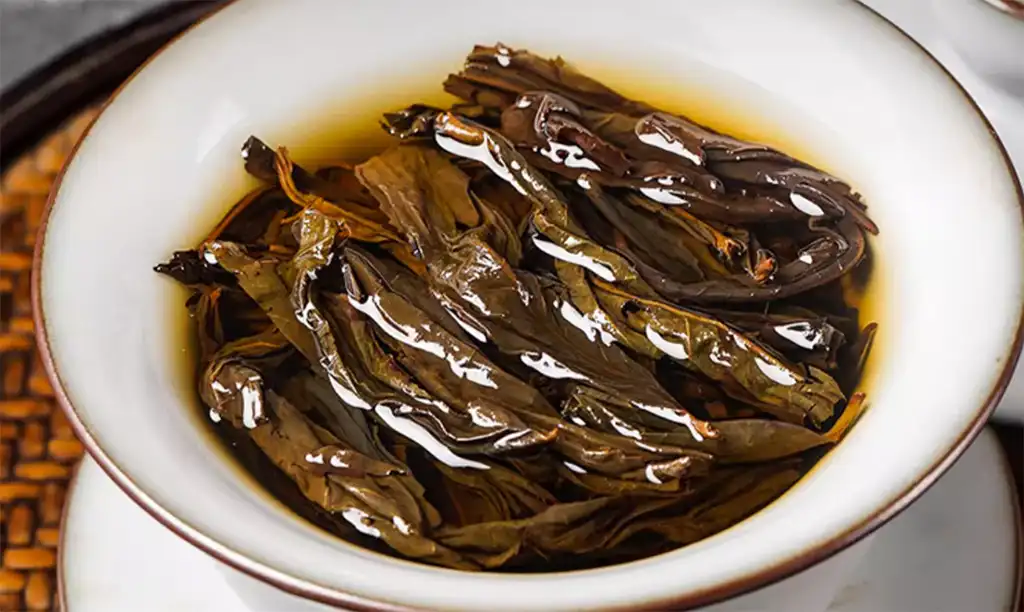
Is Matouyan Rougui Tea Always Good?
The quality of rock tea is closely tied to its raw materials. Rougui from a Zhengyan mountain site has a much higher probability of becoming a great tea than Zhoucha (plain-grown tea). However, having a great mountain site doesn’t automatically guarantee a great tea—tea garden management and post-processing are even more critical. Matouyan Rougui tea simply has a higher potential ceiling, but it doesn’t mean every batch is exceptional. Additionally, much like Niulankeng Rougui, the market for Matouyan Rougui is flooded with counterfeits, so be sure to verify its origins before purchasing.
Read More:
- How to Brew Wuyi Rougui Tea: What are the Key Considerations?
- Is Shuixian Tea Green Tea? What Kind of Tea is Shuixian?
- What is the difference between Shuixian, Rougui, and Da Hong Pao in Wuyi Yancha?
- What kind of tea is Da Hong Pao? Is it black, green, or oolong tea?
- Where to buy Da Hong Pao tea? Is it produced in Taiwan?
- What category of tea does Wuyi Yancha belong to? Is it Pu-erh tea?