Tea Rolling

After the kill-green (fixation) process halts fermentation, the next crucial step in tea making is rolling. Tea rolling is extremely important; its primary function is to break down the tea leaves, allowing the juices inside to coat the surface, while shaping the leaves into a tight, twisted form that prepares them for the subsequent cloth-ball rolling process.

Tea rolling must be done with just the right amount of pressure—neither too heavy nor too light. Ideally, the juices are gently squeezed out to coat the surface, which makes the tea easier to brew and yields a better flavor. If the pressure is too light, the tea flavor won’t release easily, and the structured tea leaves will be difficult to shape properly in the cloth-ball rolling stage. If the pressure is too heavy, too much juice will seep out without being reabsorbed, resulting in a brew that tastes bland and watery.

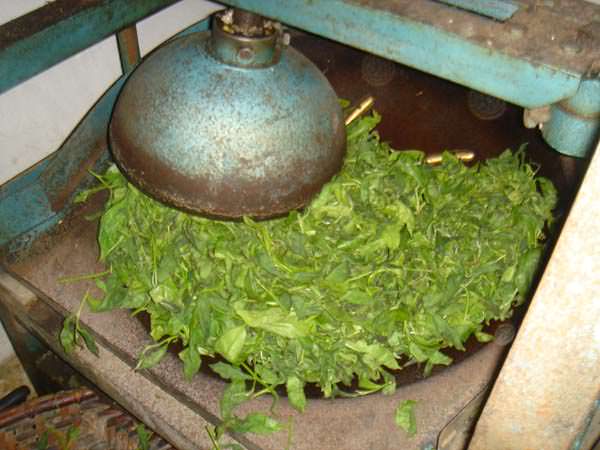
Rolling machine

Tea Rolling Machine

In the past, tea rolling was done entirely by hand, much like kneading dough. Today, rolling machines are commonly used, which not only speeds up production but also ensures more consistent tea quality.

Once the tea rolling is complete, the next steps are cloth-ball rolling (Pouchong tea skips this step) or drying.

Shopping Cart